
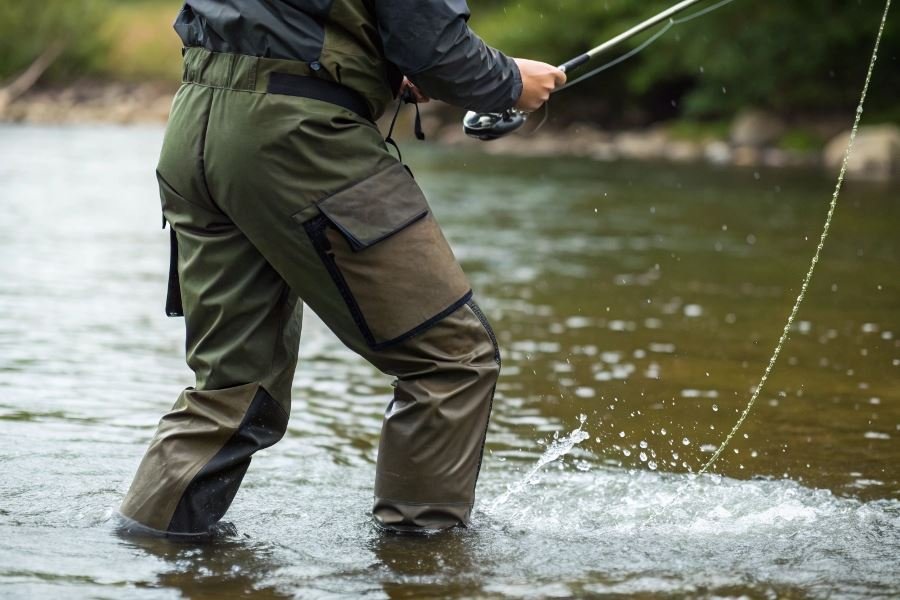
Ever stood knee-deep in frigid water with soaked pants clinging uncomfortably to your legs while that trophy catch swims away? Or perhaps you’ve missed the perfect cast because your restrictive pants wouldn’t let you move quickly enough? The right fishing pants aren’t just an accessory—they’re the difference between fishing triumph and soggy defeat.
Selecting proper fishing pants might seem straightforward, but this critical piece of gear can dramatically transform your angling experience. Since the introduction of specialized fishing apparel in the 1990s, technology has evolved exponentially, offering options that early anglers could only dream about. Today’s high-performance fishing pants incorporate materials that can keep you dry in a downpour, cool during summer heat, and mobile enough to navigate rocky shorelines or boat decks with confidence.
The fishing pants you choose directly impact three crucial aspects of your experience: comfort during long days on the water, mobility when making that perfect cast or navigating difficult terrain, and your overall effectiveness as an angler. Think about it—when you’re comfortable and can move freely, you can focus entirely on what matters: the fish.
Different fishing environments demand different features. River wading requires waterproof materials and reinforced knees, while summer lake fishing might prioritize breathability and sun protection. The best anglers understand that specialized gear isn’t about looking professional—it’s about extending your time on the water and enhancing your performance when that dream catch is on the line.
Material Matters: Weather Protection for Serious Anglers
When you’re standing waist-deep in rushing water at dawn, the last thing you want is to feel that first cold trickle down your leg. The right fishing pants aren’t just an accessory—they’re your first line of defense against the elements. The material composition of your fishing pants can make the difference between an epic day on the water and a miserable, soggy retreat to the truck.
Selecting appropriate fishing pants requires understanding several critical factors that impact performance and comfort. How to choose fishing pants: main criteria starts with understanding the relationship between materials and weather protection—arguably the most fundamental consideration for any serious angler. Your environment dictates your needs, and your needs dictate your choice of material.
Waterproof vs. Water-Resistant: Know Your Battleground
Fully waterproof pants utilize materials like Gore-Tex or similar membranes with sealed seams that prevent any water penetration. These are essential for:
- Wading in deeper waters
- Fishing during heavy rainfall
- Extended trips in wet conditions
- Cold-weather fishing where getting wet means getting dangerously cold
Water-resistant options typically feature DWR (Durable Water Repellent) coatings that shed light moisture but will eventually saturate. Consider these for:
- Bank fishing in fair weather
- Light drizzle conditions
- Situations where mobility trumps complete protection
- Warmer climates where getting slightly damp isn’t dangerous
The difference between waterproof and water-resistant isn’t just semantic—it’s the difference between staying completely dry for 8 hours in a downpour versus staying mostly dry for 30 minutes in a light shower.
Breathability: The Comfort Equation
The most waterproof material in the world becomes a personal sauna if it doesn’t breathe. Modern fishing pants balance water protection with breathability through:
| Breathability Rating | Best For | Typical Activities |
|---|---|---|
| 5,000-10,000g/m²/24hr | Casual fishing, moderate activity | Bank fishing, short wades |
| 10,000-15,000g/m²/24hr | Active anglers, varied conditions | Stream fishing, longer sessions |
| 15,000-20,000g/m²/24hr+ | High-exertion scenarios, professional use | All-day expeditions, guide work |
Materials like Simms’ GORE-TEX and Patagonia’s H2No offer exceptional breathability while maintaining waterproof integrity. The higher the breathability rating, the more moisture vapor (your sweat) can escape while still preventing water from entering.
Durability: Built for Your Battlefield
Different fishing environments demand different durability considerations:
For rocky rivers and brush-heavy shorelines, look for:
- Reinforced knees and seat areas
- Ripstop nylon construction
- Abrasion-resistant panels in high-wear zones
- Multiple denier ratings (higher numbers mean stronger fabric)
For saltwater environments, prioritize:
- Corrosion-resistant hardware
- UV-resistant materials
- Quick-drying properties to prevent salt crystallization
- Materials specifically rated for saltwater use
The best fishing pants incorporate strategic reinforcement where you need it most, without adding unnecessary bulk or weight that restricts movement. Orvis and Frogg Toggs offer excellent options with thoughtful durability features that match specific fishing environments.
Remember that the perfect balance of waterproofing, breathability, and durability depends entirely on your specific fishing conditions. The investment in quality materials pays dividends in comfort, performance, and ultimately, more successful days on the water.
Sealing the Deal on Your Perfect Fishing Pants
Finding the right fishing pants isn’t just about checking boxes—it’s about discovering gear that becomes your trusted companion on countless adventures. Let’s cut through the confusion and nail down exactly how to make that final decision.
Budget vs. Performance Equation
The eternal question: how much should you actually spend? Premium fishing pants from brands like Simms or Patagonia might run $150-300, but they’re engineered to withstand years of abuse. Meanwhile, entry-level options from Columbia or Frogg Toggs typically range from $50-100.
The smart approach: Invest according to your frequency of use. Weekend warriors might do fine with mid-range options, while those hitting the water weekly should consider premium pants that amortize their cost over hundreds of outings.
Remember that false economy can be costly—replacing $70 pants three times costs more than buying one $180 pair that lasts five seasons.
The Non-Negotiable Try-On Session
Online shopping is convenient, but nothing replaces physically trying on fishing pants. Here’s why it matters:
- Movement testing: Squat, kneel, and reach as you would while fishing
- Layering reality: Wear what you’d typically have underneath
- Fit verification: Ensure waistbands don’t slip and cuffs don’t ride up
If you must order online, check the return policy carefully. Many specialty retailers like Bass Pro Shops and Cabela’s offer hassle-free returns specifically because they understand the importance of proper fit.
Decision Matrix for Your Fishing Style
Different fishing environments demand different priorities. Use this decision matrix to focus on what truly matters for your specific needs:
| Fishing Style | Primary Criteria | Secondary Criteria | Worth Splurging On |
|---|---|---|---|
| Wade Fishing | Waterproofing, Durability | Pocket Placement | Reinforced Knees |
| Boat Fishing | UV Protection, Mobility | Quick-Dry Fabric | Articulated Design |
| Ice Fishing | Insulation, Waterproofing | Reinforced Seat | Thermal Technology |
| Fly Fishing | Freedom of Movement, Abrasion Resistance | Tool Attachments | Premium Breathable Fabrics |
The Final Checklist
Before making your purchase, run through this quick mental checklist:
- Seasonal appropriateness: Will these pants work in your primary fishing season?
- Maintenance requirements: Are you willing to perform any special care these pants need?
- Versatility factor: Could these pants serve multiple fishing scenarios?
- Growth allowance: Not just physical size, but also your evolving fishing style
The best fishing pants aren’t necessarily the most expensive—they’re the ones that disappear from your consciousness while fishing because they’re doing their job perfectly.
Your fishing pants are more than just clothing—they’re specialized equipment that directly impacts your comfort, performance, and enjoyment on the water. By balancing practical considerations with your specific needs, you’ll find pants that enhance every fishing expedition for seasons to come.