
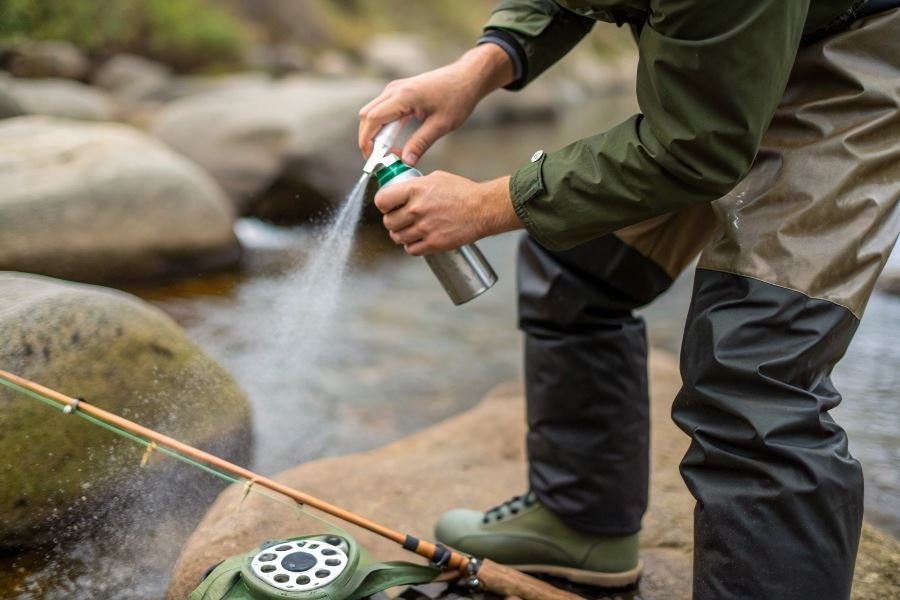
Standing knee-deep in icy water at dawn, waiting for that perfect flight of mallards—without quality waders, you’re not just uncomfortable, you’re potentially in danger. Ask any seasoned duck hunter about their worst hunting experience, and you’ll likely hear a tale involving leaky waders and hypothermia.
The right pair of waders isn’t just equipment—it’s the foundation of every successful waterfowl hunt. When you’re focused on your shot rather than your freezing legs, your success rate skyrockets. Quality waders create quality opportunities.
Three primary types dominate the waterfowl hunting landscape: hip waders for shallow marshes, waist-high waders for moderate depths, and chest waders for deep-water pursuits. Each serves a specific purpose, with materials ranging from traditional rubber to modern neoprene and breathable fabrics.
“The difference between a good hunt and a miserable one often comes down to what’s between you and the water.” — Veteran guide with 30+ years in the blinds
Material selection dramatically impacts your hunting experience. Neoprene offers superior insulation for frigid conditions but limits mobility. Breathable waders excel in early season or southern hunts where overheating becomes the enemy. Rubber provides durability at a lower price point but adds weight with every step through mud.
Your wader choice affects more than comfort—it influences how long you can stay in position, how quietly you can move, and ultimately, how many birds you’ll bring home. Choose wisely, and your legs will thank you after those long days in the marsh.
The Material Battleground: Choosing Your Perfect Waterfowl Waders
When you’re knee-deep in frigid marsh water before dawn, the last thing you want is to feel that dreaded cold seep through your waders. Selecting the right pair isn’t just about staying dry—it’s about maintaining comfort during those long, motionless waits for the perfect shot. The difference between a successful hunt and a miserable experience often comes down to the materials and construction of your waders for waterfowl hunting: what to pay attention to ranges from fabric choice to seam technology, and each element plays a crucial role in field performance.
Neoprene vs. Breathable: The Great Debate
Neoprene waders remain the gold standard for cold-weather hunting. These 3.5-5mm thick rubber-based warriors provide exceptional insulation, even when completely submerged. They conform to your body like a wetsuit, creating a thermal barrier that’s hard to beat when temperatures plummet.
The downside? They’re like wearing a portable sauna during early season hunts or when hiking to your spot.
Breathable waders utilize advanced membranes (similar to GORE-TEX) that block water molecules while allowing sweat vapor to escape. This technology has revolutionized late-summer and early-fall hunting when temperatures can swing dramatically throughout the day.
| Wader Type | Temperature Range | Weight | Mobility | Price Range |
|---|---|---|---|---|
| Neoprene | 15-40°F | Heavy | Moderate | 150−400 |
| Breathable | 35-70°F | Light | Excellent | 200−800 |
Insulation Strategies for Every Season
The savviest hunters approach insulation as a system rather than a single feature. Modern waders offer:
- Uninsulated shells: Perfect for early season or southern hunts where adding layers underneath provides versatility
- Thin insulation (600-800g): The sweet spot for variable conditions
- Heavy insulation (1000-1600g): Arctic-ready protection for the most brutal late-season hunts
Pro tip: Look for waders with fleece-lined hand-warmer pockets positioned high on the chest—they’re worth their weight in gold during those frigid December mornings.
Boot Design: Where the Rubber Meets the Mud
The integrated boot is your foundation, and cutting corners here is a recipe for disaster. Key factors include:
- Boot material: Vulcanized rubber outperforms cheaper PVC in puncture resistance and cold-weather flexibility
- Insulation rating: 600-1200g Thinsulate provides the ideal balance of warmth without excessive bulk
- Sole design: Aggressive cleated patterns offer superior traction on slick boat ramps and muddy bottoms
Durability test: Grab the boot and try to twist it—quality boots will resist significant torque while maintaining their shape.
Seam Technology: The Invisible Defender
Seams represent the most vulnerable points in any wader system. The best manufacturers employ:
- Double-taped seams: Essential minimum standard for any quality wader
- Triple-stitched construction: Provides mechanical reinforcement before waterproofing
- Sonic welding: Advanced technique that creates seamless bonds without puncturing the material
Remember that even the finest seam technology can’t overcome poor design placement. Look for waders that position seams away from high-abrasion areas like the inner thigh and knee.
The hunting community has witnessed remarkable advancements in wader technology over the past decade. Today’s premium options combine materials and construction techniques that would have seemed like science fiction to hunters of previous generations. When you invest in quality waders engineered with these essential features in mind, you’re not just buying gear—you’re securing countless comfortable hours in the field and memories that will last a lifetime.
Fit, Function, and Finesse: Perfecting Your Waterfowl Waders
Stepping into the marsh before dawn, the difference between a successful hunt and a miserable experience often comes down to what’s between you and the water. Let’s dive into the critical elements that transform basic waders into your most reliable hunting partner.
Sizing that supports your stalk
Finding waders that fit properly isn’t just about comfort—it’s about performance in critical moments. When that flock of mallards circles your spread, the last thing you need is restrictive movement.
For proper sizing:
- Measure your inseam from crotch to floor while wearing hunting socks
- Add 2-3 inches to accommodate layers during cold weather hunts
- Chest waders should reach 1-2 inches above your armpit
- Boot-foot waders require sizing up from your street shoe (typically 1 full size)
The perfect fit allows you to kneel, crouch, and climb without restriction while preventing dangerous water entry at the seams.
When Sitka Gear introduced their women’s-specific Delta Wader in 2020, they revolutionized fit by acknowledging that female hunters need more than scaled-down men’s gear. The industry has followed suit, with brands now offering more anatomically correct options for all body types.
Storage solutions for the savvy hunter
Modern waterfowl hunting demands organization. Your waders should offer strategic storage that keeps essentials accessible without creating bulk.
| Storage Feature | Ideal Placement | Best For |
|---|---|---|
| Hand-warmer pockets | Upper chest | Quick access in freezing conditions |
| Shell pockets | Front chest | Active reloading during intense flights |
| Interior waterproof pocket | Inside chest | Phone, license, and car keys |
| D-rings | Shoulder/chest | Attaching calls, tools, and accessories |
The Banded RedZone Elite 2.0 waders exemplify thoughtful storage design with their magnetic closure pockets that allow silent, one-handed access—a feature you’ll appreciate when birds are working close.
Three accessories that elevate your wader game
-
Neoprene wader belt – Not just a fashion statement, a quality belt creates an additional water barrier and can be a literal lifesaver if you take an unexpected swim. The Browning Wader Belt with quick-release buckle has become standard equipment for serious hunters.
-
Merino wool base layers – The foundation of your system matters. Merino regulates temperature even when damp and resists odor during multi-day hunts. Smartwool hunting-specific base layers provide targeted insulation where you need it most.
-
Gaiters or gravel guards – These unsung heroes prevent debris from entering your boots and reduce abrasion at the boot/wader junction. LaCrosse makes attachable guards that integrate seamlessly with most wader systems.
Maintenance that multiplies seasons
Quality waders aren’t cheap, but proper care transforms them from an expense into an investment.
The most expensive waders are the ones you have to replace every season because you didn’t maintain them properly.
Follow these critical maintenance practices:
- Rinse after every use – Especially after saltwater exposure
- Hang dry inside-out first, then right-side out
- Store hanging in a cool, dry place away from direct sunlight
- Test for leaks annually by turning inside-out and filling suspect areas with rubbing alcohol
- Repair small punctures immediately with manufacturer-recommended patches
Gear Aid Aquaseal has saved countless waders from premature retirement. Keep a tube in your blind bag for field repairs that can salvage a hunt.
The difference between soggy misery and dry success often comes down to these seemingly small details. When you’re standing motionless in freezing water waiting for that perfect shot, you’ll thank yourself for investing the time in selecting waders that truly fit your hunting style.