
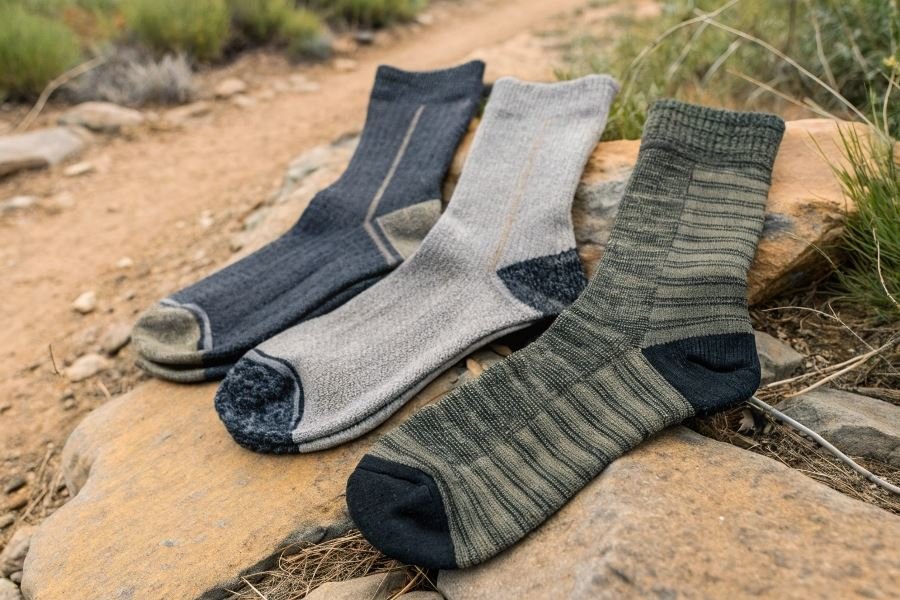
Ever stood ankle-deep in water for eight hours straight only to have your perfect catch ruined by screaming feet? The silent hero of every successful summer fishing expedition isn’t your fancy lure collection or that premium rod—it’s what’s cushioning your feet.
“I’ve seen more fishing trips cut short by blistered feet than by bad weather,” notes championship angler Mark Thompson, who learned this lesson during a disastrous tournament in Florida where cotton socks left him with painful hotspots that cost him a potential title.
Selecting the right socks for summer fishing isn’t just about comfort—it’s about extending your time on the water and improving your performance. When your feet stay dry, cool, and blister-free, you maintain the focus needed for that perfect cast when the big one finally strikes.
The summer sock disaster zone
The wrong socks create a perfect storm of problems in warm weather:
- Moisture retention turns your boots into swampy breeding grounds for bacteria
- Heat buildup causes excessive sweating, leading to friction and blisters
- Poor cushioning amplifies fatigue when standing for extended periods
What makes fishing-specific socks worth it?
The key factors that separate specialized fishing socks from regular athletic varieties:
| Feature | Benefit |
|---|---|
| Moisture-wicking fibers | Pulls sweat away from skin to prevent blisters |
| Mesh ventilation zones | Creates airflow to regulate temperature |
| Targeted cushioning | Reduces pressure points during long stands |
| Quick-dry materials | Maintains comfort during water exposure |
Remember: your feet are your foundation. When they suffer, everything above them suffers too—from your casting accuracy to your endurance and ultimately, your catch count.
The Ultimate Materials for Summer Fishing Socks
When the sun beats down and you’re standing ankle-deep in water, your sock choice can make or break your fishing experience. The right pair keeps you comfortable for hours; the wrong one leads to blisters, overheating, and premature trips back to shore. Let’s dive into the three material champions that deserve a place in your tackle box.
Synthetic Blends That Wick Away Worry
Synthetic blends have revolutionized what socks to choose for summer fishing by combining materials specifically engineered to handle heat and moisture. These technical marvels typically feature polyester, polypropylene, and elastane in carefully calibrated ratios.
Why they dominate hot weather fishing:
- Moisture transfer rates up to 10 times faster than cotton
- Channeled fibers that actively pull sweat away from skin
- Mesh ventilation zones that create cooling airflow
CoolMax technology leads the pack with its four-channel fiber construction that increases surface area for evaporation. Meanwhile, Under Armour’s HeatGear socks incorporate anti-microbial treatments that prevent odor even after full days on the water.
Merino Wool: Nature’s Temperature Regulator
Forget everything you thought you knew about wool. Summer-weight merino is nothing like those scratchy winter socks in your drawer.
Merino fibers are approximately 1/3 the diameter of human hair, creating a buttery-soft feel against skin.
These natural wonders maintain comfort across a remarkable temperature range:
| Feature | Benefit for Anglers |
|---|---|
| Microscopic air pockets | Natural temperature regulation |
| Natural lanolin content | Prevents blisters during long stands |
| Odor-resistant properties | Stays fresh for multi-day trips |
Smartwool offers ultralight fishing-specific options with reinforced heels and toes that withstand the abuse of wading boots. Their PhD Outdoor Light patterns provide targeted cushioning exactly where anglers need it most.
Nylon/Spandex Blends: Quick-Dry Champions
When water exposure is inevitable, nylon/spandex combinations deliver unmatched performance. These engineered blends typically feature:
Technical advantages:
- Water absorption rates under 0.4% by weight
- Drying times up to 75% faster than cotton
- Stretch recovery that maintains fit even when soaked
Darn Tough fishing socks incorporate antimicrobial silver threads within their nylon/spandex matrix, preventing the growth of bacteria even in perpetually damp environments. Their lifetime guarantee speaks volumes about durability.
The ideal ratio hovers around 70% nylon for strength and quick-drying properties, with 25% spandex for flexibility and 5% additional technical fibers for specialized functions like odor control or cooling.
For those fishing in particularly hot conditions, look for models with mesh panels strategically placed at the instep and ankle. These ventilation zones create natural cooling without sacrificing the protection you need from gravel, sand, and potential irritants.
Remember that the best summer fishing socks aren’t just about material—they’re about construction. Seamless toe boxes prevent rubbing, while targeted compression through the arch provides support during those marathon sessions waiting for the perfect catch.
Sealing the Deal: Your Ultimate Summer Fishing Sock Selection
Match your socks to your fishing grounds
The perfect summer fishing sock isn’t universal—it’s environmental. Wade fishing in rocky streams demands different protection than dock fishing on a scorching day. For shallow creek fishing where you’ll be constantly moving, opt for moisture-wicking quarter-length socks with medium cushioning. The Darn Tough Hiker Quarter Cushion socks excel here with their merino wool blend that stays cool even when wet.
For those long days on the boat, lightweight, sun-protective options like the Columbia PFG Terminal Tackle socks provide UPF 50 protection while preventing slippage on potentially slick surfaces. Their mesh ventilation zones target the exact areas where boat anglers typically experience the most heat buildup.
Saltwater anglers face unique challenges—sand infiltration and constant moisture. Here, tightly woven synthetic blends with antimicrobial properties, like those from Simms, prevent the bacterial growth that can quickly ruin both socks and fishing trips.
The comfort-durability-functionality triangle
Finding the perfect balance between these three critical factors often means prioritizing based on your specific needs:
| Priority | Best Material | Typical Lifespan | Price Range |
|---|---|---|---|
| Comfort | Merino Wool Blend | 1-2 seasons | $15-25 |
| Durability | Nylon/Spandex | 2-3 seasons | $12-20 |
| Functionality | Technical Synthetic | 1-2 seasons | $18-30 |
Comfort champions should look for socks with targeted cushioning—padded where you need it, thin where you don’t. The seamless toe construction found in premium fishing socks eliminates the friction points that lead to blisters during long days on the water.
Durability devotees will appreciate reinforced heels and toes with high nylon content. These reinforcements prevent the dreaded “toe blowout” that often signals the end of a sock’s useful life.
Functionality fanatics should prioritize moisture management above all else. Even the most comfortable sock becomes a liability when soaked through.
The sweet spot? Merino wool blends with nylon reinforcement and zone-specific cushioning. They’re not the cheapest option, but they deliver on all three fronts without significant compromise.
Extend your sock investment with proper care
Even the best fishing socks will fail prematurely without proper maintenance. After each fishing trip:
- Rinse socks in cold water immediately to remove salt, sand, and debris
- Turn inside-out before washing to better clean sweat-soaked areas
- Wash in cold water with mild detergent—never use fabric softener as it destroys moisture-wicking properties
- Air dry away from direct sunlight which can degrade elastic fibers
For multi-day fishing trips, pack enough socks to rotate daily, allowing each pair to fully dry between uses. This simple practice can double the effective lifespan of your fishing socks.
Pro tip: Keep a dedicated “sock dryer” in your tackle box—a small mesh bag with a carabiner that can be attached to your boat or camp setup. This ensures your socks dry completely even in humid conditions.
The right summer fishing socks aren’t just an accessory—they’re essential equipment that can make or break your time on the water. By matching your selection to your environment, balancing the critical performance factors, and maintaining them properly, you’ll ensure comfortable, blister-free fishing adventures all summer long.