
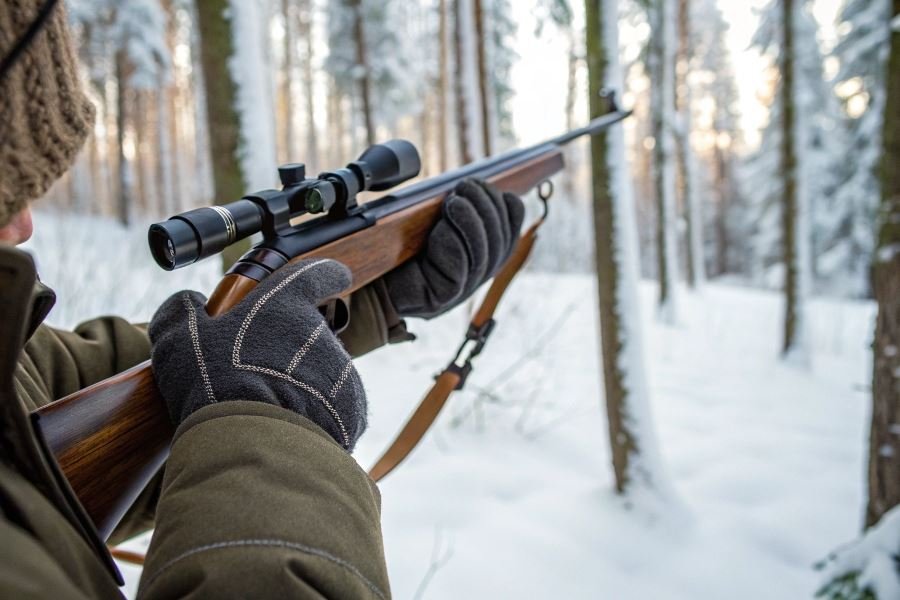
Ever stood motionless in a hunting blind while the temperature plummeted to -20°F, feeling your toes slowly transform into painful ice blocks? That moment when you realize your expensive boots aren’t enough might be the difference between bagging that trophy buck and limping back to camp defeated.
Layered sock systems represent the tactical approach to winter foot management that serious hunters have refined over decades. Unlike the single thick sock approach of yesteryear, modern layering combines specialized materials in strategic combinations to manage moisture, provide insulation, and maintain circulation. Think of it as creating a microclimate ecosystem for your feet – with each layer serving a distinct purpose in the battle against frostbite and discomfort.
The stakes couldn’t be higher when hunting in extreme conditions. When your core temperature drops, your body instinctively restricts blood flow to extremities, making your feet particularly vulnerable. What started as cold toes can quickly escalate to decreased dexterity, impaired judgment, and in worst cases, tissue damage. Proper foot care isn’t just about comfort – it’s about safety and performance.
Since the introduction of synthetic moisture-wicking fabrics in the 1970s, layered sock technology has undergone remarkable evolution. Today’s systems incorporate antimicrobial treatments, targeted compression zones, and materials that maintain insulating properties even when damp. The modern hunter benefits from innovations originally developed for military special forces and polar expeditions – technologies tested in the world’s most unforgiving environments.
The perfect layered sock system doesn’t exist in isolation – it’s part of a comprehensive approach to cold-weather hunting that can extend your time in the field when others have retreated to the warmth of their trucks.
The Triple Threat of Layered Sock Systems
When the mercury plummets and you’re tracking game through snow-covered terrain, your feet become your most valuable asset – and your greatest vulnerability. The strategic approach of layered socks for winter hunting: advantages and disadvantages represents a game-changing methodology that serious outdoorsmen have been refining for decades. While the concept seems simple, the science behind proper foot layering delivers remarkable performance benefits that can make or break your hunting expedition.
Moisture Management That Defeats Blisters
Nothing ends a hunt faster than blisters. Period. The multi-layer sock system creates a moisture-wicking superhighway that pulls sweat away from your skin with remarkable efficiency.
The science is undeniable: When wearing a thin, moisture-wicking liner sock (typically made from Merino wool or synthetic materials) against your skin, paired with a thicker insulating outer sock, you create a moisture transfer system that keeps feet dramatically drier.
Studies show that properly layered socks can reduce foot moisture by up to 70% compared to single-layer options.
This moisture management doesn’t just keep you comfortable – it’s your first line of defense against blisters. When moisture accumulates, friction increases exponentially. The liner sock creates a friction barrier between layers rather than between sock and skin, essentially allowing the socks to “fight it out” while your feet remain blissfully unaware.
| Layer | Primary Function | Ideal Materials |
|---|---|---|
| Inner | Moisture wicking | Merino wool, polypropylene |
| Outer | Insulation, cushioning | Wool blends, synthetic insulators |
Temperature Regulation That Adapts
The insulating power of a properly designed layered sock system outperforms single-layer options by creating dead air space – nature’s most effective insulator.
When temperatures drop below freezing, the multi-layer approach creates thermal efficiency that single thick socks simply cannot match. The air trapped between layers provides additional insulation while still allowing your feet to breathe.
The versatility factor cannot be overstated. Layered systems allow hunters to adapt to changing conditions throughout the day. Starting a pre-dawn hike in 15°F temperatures that rise to 35°F by midday? The layered approach lets you adjust without carrying extra footwear.
“The difference between single and layered sock systems becomes most apparent during temperature fluctuations. Your feet maintain a more consistent temperature throughout the day, preventing both overheating and cold injuries.”
Strategic Cushioning Where You Need It Most
The biomechanics of a long hunting trek place tremendous stress on specific areas of your feet. Layered sock systems excel at providing targeted cushioning and support.
With outer socks featuring zone-specific padding, you can protect high-impact areas like the heel and ball of the foot while maintaining flexibility elsewhere. This strategic approach to cushioning prevents foot fatigue during those final critical miles when you’re tracking game.
The compression advantage: Many hunting-specific outer socks now incorporate graduated compression technology from brands like Darn Tough and Smartwool, improving circulation during long periods of standing or slow stalking. This reduces swelling and fatigue while enhancing recovery between hunting days.
The layered approach also provides crucial protection against boot friction points, distributing pressure more evenly across your foot’s surface area. This becomes increasingly important when carrying heavy packs or navigating challenging terrain where your feet experience irregular forces.
The Hidden Challenges of Layered Sock Systems
When you’re tracking through snow-covered terrain with your rifle in hand, those layered socks keeping your feet toasty might be hiding some significant drawbacks. While the warmth benefits are undeniable, experienced hunters know there’s always another side to the story. Let’s dive into the real-world limitations that might make you reconsider your sock strategy this hunting season.
When your boots suddenly feel two sizes too small
The most immediate challenge with layered sock systems comes down to simple physics – adding layers takes up space. Many hunters discover this uncomfortable truth only after investing in an expensive sock system.
Boot fit issues can manifest in several ways:
- Reduced circulation from overly tight boots
- Unexpected pressure points causing blisters
- Inability to wiggle toes, leading to colder feet (ironically)
- Mid-hunt discomfort that distracts from the primary objective
The solution isn’t as simple as “size up” in your hunting boots. Danner Boots and other premium manufacturers design their footwear with specific volume expectations. Adding an extra sock layer can disrupt the engineered balance between insulation and mobility.
The perfect layered sock system requires boots specifically sized to accommodate the additional volume – something many hunters overlook until it’s too late.
Premium warmth comes with a premium price tag
Traditional single-layer hunting socks from brands like Carhartt typically range from $12-20 per pair. By contrast, a quality layered sock system can easily exceed $50-75 for the complete setup.
| Sock Type | Average Cost | Pairs Needed | Season Total |
|---|---|---|---|
| Premium Single Layer | $18 | 3-4 | $54-72 |
| Basic Layered System | $45 | 2-3 | $90-135 |
| Advanced Layered System | $65 | 2-3 | $130-195 |
This cost difference becomes particularly significant when you consider that most serious hunters need multiple pairs to rotate throughout a hunting season. The investment can be justified for those in extreme conditions, but weekend warriors might find the premium hard to swallow.
The maintenance marathon
Single-layer socks are straightforward – wash, dry, wear. Layered systems introduce complexity that many hunters underestimate.
Maintenance challenges include:
- Different layers often require different washing methods
- Specialized materials like Merino wool from SmartWool demand gentle handling
- Mismatched drying times between liner and outer socks
- Faster wear patterns at friction points between layers
The durability equation also shifts with layered systems. While quality outer socks might last several seasons, the thinner liner socks typically wear through much faster, especially at the heel and toe. This creates an ongoing replacement cycle that adds to the long-term cost.
The friction between layers can actually accelerate wear in some cases, particularly if your boots aren’t perfectly sized for the layered approach. Many hunters report needing to replace liner socks mid-season, an inconvenience that rarely occurs with robust single-layer options.
For those committed to the layered approach, these challenges aren’t dealbreakers – they’re simply realities to manage. Understanding the full picture helps you make informed decisions about whether the undeniable warmth benefits outweigh these practical considerations for your specific hunting style and environment.