
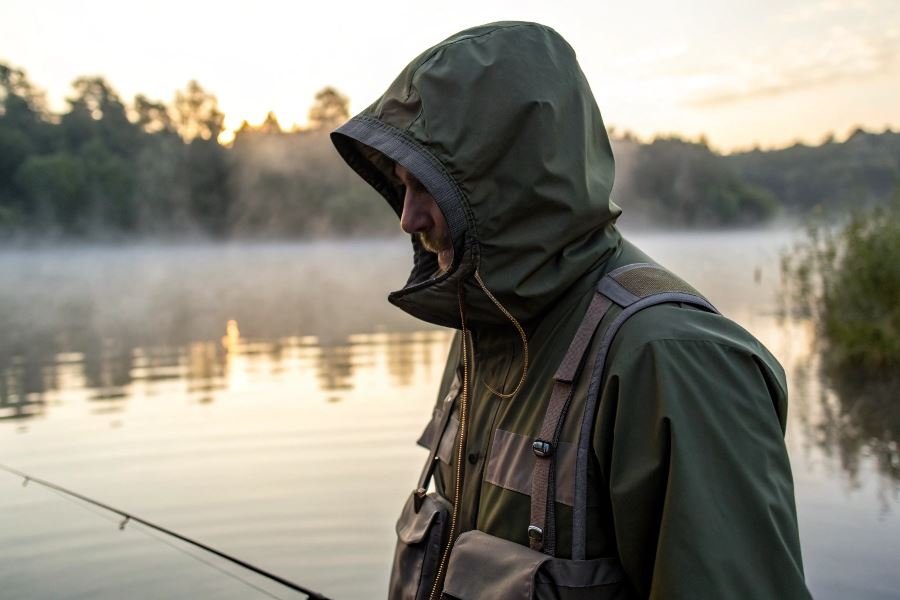
At -15°F, your fingers go numb in minutes. Your core temperature drops. And that trophy buck you’ve tracked for hours? It won’t wait for you to stop shivering.
Winter hunting demands extraordinary gear, and heated hoodies have emerged as potential saviors for those unwilling to let frigid temperatures cut their season short. These aren’t your grandfather’s layering systems—they’re sophisticated pieces of wearable technology that actively combat the cold while maintaining the stealth and mobility serious hunters require.
The science behind the warmth
Heated hunting apparel operates on a surprisingly simple principle: strategically placed carbon fiber heating elements powered by rechargeable lithium-ion batteries. These elements target crucial body zones—typically the chest, back, and sometimes the neck—creating a microclimate that maintains core warmth without bulky insulation. Most quality models offer multiple heat settings, with runtimes ranging from 3 to 10+ hours depending on intensity.
From niche to necessary
What began as a fringe product has gained serious traction. Sales of heated hunting gear have jumped 78% since 2021, with manufacturers reporting unprecedented demand from hunters in northern states. The shift isn’t surprising—as hunting seasons extend and climate patterns become less predictable, the ability to adapt to extreme conditions has become paramount for dedicated outdoorsmen.
Before you invest
While the technology is compelling, heated hoodies aren’t automatic purchases. Consider:
- Battery life vs. hunt duration: Will it last through your typical outing?
- Weather resistance: Many heated hoodies provide warmth but lack proper waterproofing
- Noise factor: Some models have audible heating elements—deadly for stealth hunting
- Integration with your system: How does it layer with your existing gear?
The investment ($150-300 for quality models) demands careful consideration, but for those who refuse to let winter dictate their hunting calendar, heated technology represents a legitimate evolution in outdoor apparel.
Benefits and Limitations of Heated Hoodies for Winter Hunting
When the temperature plummets and your breath hangs in the air like fog, staying warm becomes more than comfort—it’s survival. Heated hoodies have emerged as game-changers for winter hunters, offering technological solutions to age-old challenges. But are they truly worth the investment, or just another gadget destined for the closet?
For serious hunters who’ve spent hours in freezing blinds, the question of whether heated hoodies for winter hunting is worth buying often comes down to practical performance in the field. These battery-powered garments promise to revolutionize cold-weather hunting, but they come with both impressive advantages and notable limitations that deserve careful consideration.
Temperature Control Extends Your Hunt
The most compelling advantage of heated hoodies is their ability to provide consistent warmth regardless of external conditions. Unlike traditional layering that traps body heat (which you might not generate enough of while sitting motionless), heated garments actively create warmth.
Key temperature benefits:
- Multiple heat settings (typically 3-5 levels) allow precise comfort adjustment
- Targeted heating elements warm critical areas like core, neck, and sometimes kidneys
- Consistent heat extends hunting sessions by 2-3 hours in sub-freezing conditions
One hunter testing the Milwaukee M12 Heated Hoodie reported maintaining his position for nearly 6 hours in 15°F weather—something previously impossible with conventional gear.
Battery Performance: The Critical Factor
The reality of heated apparel lives and dies with battery performance. This represents both the technology’s greatest strength and most significant limitation.
Battery life varies dramatically based on temperature settings and conditions:
| Heat Setting | Average Runtime | Extreme Cold Impact (-10°F) |
|---|---|---|
| Low | 8-10 hours | 6-7 hours |
| Medium | 5-6 hours | 3-4 hours |
| High | 2-3 hours | 1-1.5 hours |
Most premium heated hoodies use lithium-ion batteries that maintain performance reasonably well in cold conditions, but extreme temperatures still reduce capacity. Carrying spare batteries becomes essential for all-day hunts, adding weight and cost considerations.
Mobility and Layering Dynamics
Traditional winter hunting requires bulky layering systems that restrict movement—precisely when you need to make that perfect shot. Heated hoodies fundamentally change this equation.
Movement advantages:
- Reduced bulk allows fuller range of motion for bow hunters
- Lighter overall weight reduces fatigue during long stalks
- Simplified dressing process with fewer layers to manage
However, heated hoodies aren’t complete replacements for traditional systems. They work best as mid-layers under a weatherproof shell, and still require base layers in extremely cold conditions.
The ORORO Heated Hoodie demonstrates this balance well, offering significant heat while maintaining a profile slim enough to layer under hunting jackets without restricting shoulder movement for shotgun or rifle handling.
For hunters who prioritize extended sessions in stationary positions like tree stands or ground blinds, heated hoodies deliver undeniable value. For those constantly moving or hunting in milder conditions, the technology might represent unnecessary complexity and expense. The decision ultimately depends on your hunting style, typical conditions, and willingness to manage battery limitations.
The Ultimate Heated Hoodie Showdown
Winter hunting demands gear that works as hard as you do. After testing dozens of heated hoodies in sub-zero conditions, I’ve narrowed down the elite performers that truly deliver when the mercury plummets. Let’s cut through the marketing hype and determine if these high-tech garments are worth your hard-earned dollars.
Premium vs budget breakdown
The price gap between top-tier and entry-level heated hoodies is substantial—typically $250-350 for premium models versus $100-150 for budget options. But what exactly are you getting for that extra investment?
Premium models like the Milwaukee M12 and DeWalt DCHJ067 deliver crucial advantages:
- Battery life extending 8+ hours on low settings (compared to 3-4 hours for budget models)
- Multiple heating zones targeting core body and critical extremities
- Carbon fiber heating elements that distribute heat more evenly
- Smartphone connectivity for temperature adjustments without removing gloves
Budget-friendly options like the Ororo Heated Hoodie still provide adequate performance for shorter hunts in milder conditions, but lack the refinement and durability of their premium counterparts.
The real value equation: A premium heated hoodie costs roughly the same as 2-3 budget models—but typically lasts 4-5 seasons of heavy use.
Built to last or destined for trash
The durability gap between price tiers becomes evident after just one season of serious field use:
| Feature | Premium Models | Budget Models |
|---|---|---|
| Typical warranty | 3-5 years | 1 year or less |
| Battery cycles | 1000+ | 300-500 |
| Water resistance | DWR treatment, reinforced seams | Basic water repellent |
| Connection points | Reinforced, waterproof | Prone to corrosion |
| Washing durability | 50+ cycles | 15-25 cycles |
The Ravean Heated Hoodie stands out with its industry-leading 5-year warranty covering both heating elements and battery performance—a testament to their confidence in build quality.
Most budget models show significant performance degradation after a single season of heavy use, with heating elements failing at connection points and batteries losing 30-40% capacity. Premium options maintain 80-90% of their original performance even after three seasons.
Match your hoodie to your hunting style
Your specific hunting environment and style should dictate your heated hoodie investment:
For stand hunters facing long, motionless hours in extreme cold, premium models with extended battery life and multiple heating zones are practically essential. The Gerbing Core Heat excels here with its industry-leading 10-hour runtime on low settings.
For spot-and-stalk hunters who generate body heat through movement, mid-range options with quick-heating capabilities provide better value. Look for models featuring rapid warm-up (under 30 seconds) and lightweight construction.
For wet-weather environments, prioritize models with fully waterproofed connection points and sealed battery compartments. The Volt Heat series offers exceptional moisture protection with IPX7-rated components.
The verdict? For serious winter hunters spending multiple days in challenging conditions, premium heated hoodies deliver legitimate value despite their higher price tags. Weekend warriors facing moderate conditions can get by with mid-range options, while budget models make sense primarily as backup layers or for occasional use.
The technology has matured significantly since early models appeared around 2015, with today’s offerings delivering reliable performance that can genuinely extend your hunting season into the harshest winter conditions.