
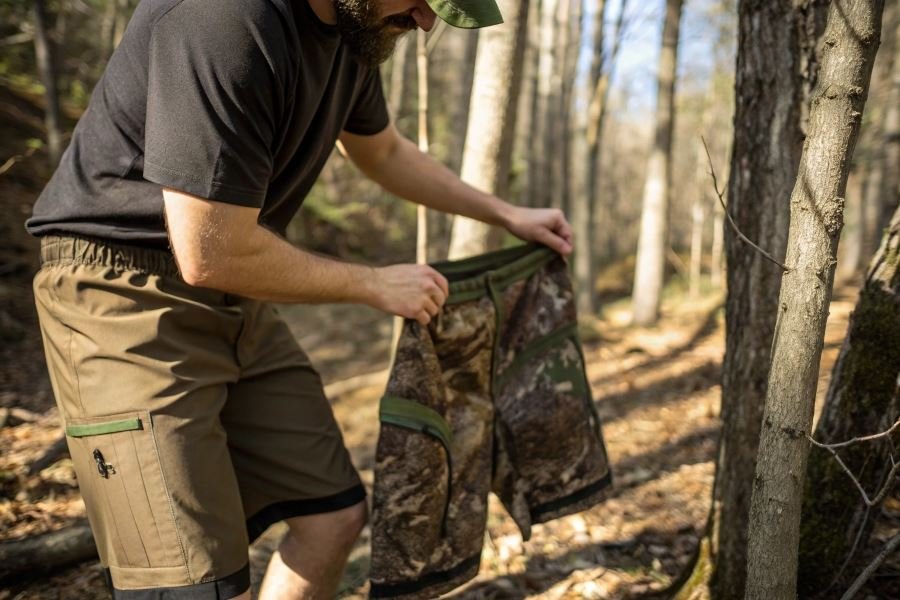
Ever stood knee-deep in a stream, feeling that uncomfortable chafing with every cast? Or reached for your pliers only to find your pocket’s too shallow to secure them? The right fishing shorts aren’t just clothing—they’re essential gear that can determine whether you’re focused on landing that trophy bass or distracted by discomfort.
Unlike regular shorts that prioritize style over function, proper fishing shorts are engineered specifically for anglers who battle elements, movement restrictions, and storage challenges. They’re the unsung heroes of your tackle collection, designed to withstand the unique demands of a day spent pursuing fish.
What separates specialized fishing shorts from everyday options? While regular shorts might leave you soggy, sunburned, and struggling for pocket space, purpose-built fishing shorts incorporate quick-drying fabrics, UV protection, and thoughtful storage solutions. They’re constructed with reinforced stitching to handle repeated movements and water exposure that would quickly deteriorate standard shorts.
When selecting your perfect pair, focus on these critical factors: fabric technology that repels water while allowing breathability, functional storage that secures your essential tools, comfort features like gusseted crotches for unrestricted movement, and protection elements that shield you from environmental hazards. The difference between mediocre and exceptional fishing shorts often comes down to these seemingly small details that deliver massive performance benefits on the water.
Essential Features That Make or Break Fishing Shorts
When you’re standing waist-deep in water for hours, the last thing you need is uncomfortable shorts slowing you down. Choosing the right fishing shorts isn’t just about looking good on the water—it’s about performance when it matters most. Understanding how to choose fishing shorts based on main criteria like material, design, and comfort features can make the difference between a memorable day on the water and one you’d rather forget.
Technical Fabrics That Perform Under Pressure
The foundation of quality fishing shorts starts with the material. Quick-drying fabrics have become non-negotiable for serious anglers. Nylon and polyester blends dominate the market, with premium options from brands like Columbia and Simms offering drying times under 30 minutes even after complete submersion.
UV protection has evolved from a nice-to-have to an essential feature, with UPF ratings now standard on performance fishing apparel. Look for UPF 50+ protection that blocks at least 98% of harmful rays—particularly important during those long summer fishing marathons.
Durability factors worth considering include:
| Durability Feature | Why It Matters | What To Look For |
|---|---|---|
| Ripstop construction | Prevents tears from spreading | Visible grid pattern in fabric |
| Reinforced seams | Withstands repeated stress | Double or triple stitching |
| Abrasion resistance | Handles rough boat surfaces | Thicker denier ratings (100D+) |
Design Elements That Serve Function First
The pocket configuration on fishing shorts isn’t just about storage—it’s about accessibility and water management. Cargo pockets with mesh drainage systems allow water to escape while securing your gear. Specialized tool holders and plier pockets can eliminate the need for additional gear belts.
Belt loops might seem trivial, but their placement and reinforcement matter when you’re hanging tools or attaching accessories. The best fishing shorts feature at least 7 loops with reinforced stitching at stress points.
Length options typically fall into three categories:
- Traditional (9-11″ inseam): Balanced coverage and mobility
- Long (12″+ inseam): Added protection from sun and brush
- Short (7-8″ inseam): Maximum freedom of movement for wade fishing
Comfort Features That Keep You Fishing Longer
The waistband design separates amateur offerings from professional-grade fishing shorts. Elastic side panels provide flexibility during casting motions, while silicon grip strips prevent embarrassing slippage when bending to net your catch.
A gusseted crotch might not be dinner conversation material, but it’s revolutionary on the water. This diamond-shaped fabric insert allows for unrestricted movement when stepping over gunwales or climbing onto docks.
Ventilation systems have become increasingly sophisticated, with strategically placed mesh panels that create airflow without compromising durability:
“The difference between basic shorts and technical fishing shorts becomes most apparent around hour five of a summer fishing trip. That’s when ventilation becomes worth every penny you paid.”
Look for shorts with laser-cut ventilation patterns along the inner thigh and back yoke—areas where heat builds up fastest. Brands like AFTCO and HUK have pioneered these systems that maintain airflow without creating weak points in the fabric.
When you’re investing in quality fishing shorts, these technical details translate directly to more time focusing on fishing and less time distracted by uncomfortable gear. The right pair becomes an essential tool in your fishing arsenal—one you’ll appreciate with every cast.
Fishing Shorts That Go the Distance
Finding the perfect fishing shorts isn’t just about looking good on the water—it’s about performance when that trophy fish strikes. After exploring materials, features, and designs, let’s bring everything together to ensure your next purchase keeps you comfortable from cast to catch.
The ultimate fishing shorts checklist
When selecting your next pair of fishing shorts, remember these non-negotiable criteria:
- Quick-drying fabric that sheds water and dries rapidly
- UPF protection of at least 30+ to shield against harmful rays
- Stretch construction allowing full mobility for casting and fighting fish
- Secure pockets with water-resistant or zippered closures
- Durable materials that resist hooks, abrasion, and repeated washing
- Comfortable waistband that won’t dig in during long sessions
These elements form the foundation of quality fishing shorts that perform when it matters most.
Match your shorts to your fishing style
Different fishing environments demand different features:
| Fishing Environment | Recommended Features | Example Shorts |
|---|---|---|
| Saltwater/Offshore | Corrosion-resistant hardware, higher UPF (50+), longer inseam | Columbia PFG Offshore shorts |
| Freshwater Lakes | Lighter fabric, multiple tool attachments, medium length | Simms Tributary shorts |
| Wade Fishing | Quick-drain mesh pockets, reinforced seat, shorter length | Orvis Hydros shorts |
| Kayak Fishing | Padded seat, higher back rise, stretch panels | NRS Benny Board shorts |
The right shorts for flats fishing in Florida might be completely wrong for stream fishing in Colorado. Consider your primary fishing environment before making your selection.
Extending the life of your investment
Quality fishing shorts aren’t cheap—most performance options from reputable brands start around $60 and can exceed $100. Protect your investment with proper care:
- Rinse after every use – especially after saltwater exposure
- Avoid fabric softeners which can compromise moisture-wicking properties
- Air dry whenever possible rather than using high heat
- Store away from direct sunlight to prevent UV degradation
- Treat stains immediately with appropriate cleaners for technical fabrics
Pro tip: Keep a dedicated bottle of technical fabric wash like Nikwax Tech Wash in your gear closet. Standard detergents can leave residue that affects performance.
The final cast
The perfect fishing shorts balance comfort, functionality, and durability. While it’s tempting to save money on bargain options, remember that quality fishing shorts are tools, not just clothing. The right pair will keep you comfortable through changing conditions, protect you from the elements, and provide years of service on the water.
When you find shorts that meet all your criteria, consider purchasing multiple pairs—manufacturers frequently update designs, and finding that perfect fit again might prove challenging. Your future self will thank you when you’re still comfortable after eight hours on the water, with dry valuables and no chafing in sight.