
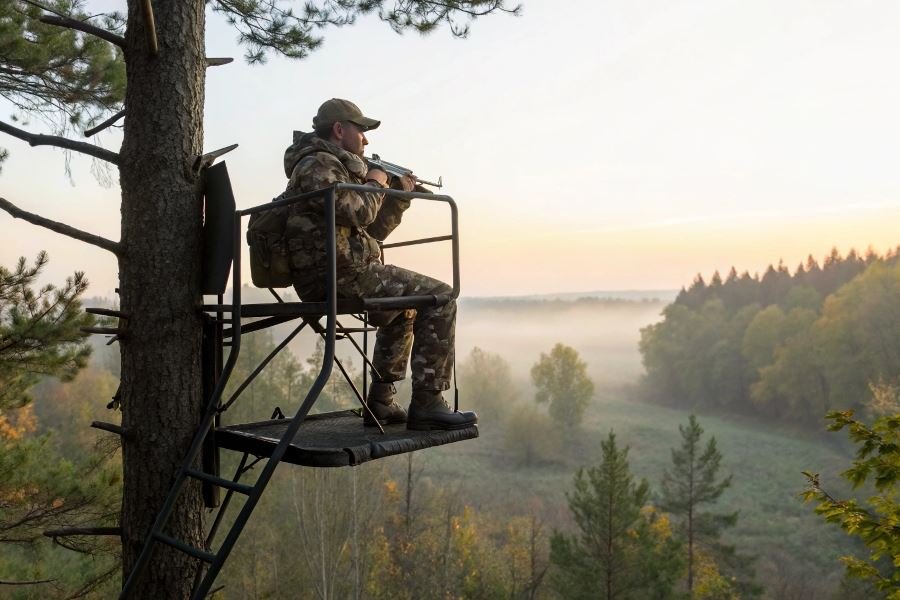
Ever watched a trophy buck walk within yards of your position, only to suddenly bolt because your blind material rustled in the breeze? The difference between filling your tag and going home empty-handed often comes down to one critical factor: the materials that separate you from your quarry.
Since the earliest days of hunting, concealment has evolved dramatically. What began as simple brush piles has transformed into sophisticated structures made from advanced materials that can withstand Montana blizzards or Louisiana downpours while keeping you hidden in plain sight. The science behind hunting blind materials isn’t just about looking good in the field—it’s about creating the perfect balance between strength and invisibility.
Material selection isn’t just a preference—it’s a strategy. The right fabric, frame, and construction can mean the difference between a blind that lasts a single season and one that serves you faithfully for a decade. When evaluating hunting blind materials, three critical performance metrics stand out: durability against physical stress, resistance to weather elements, and effectiveness of concealment patterns.
Consider this: a blind placed in the marshlands of the Chesapeake faces radically different challenges than one perched on the windswept plains of Wyoming. Each environment demands specific material properties. In wetlands, mold and mildew resistance becomes paramount, while in open country, UV protection and wind resistance take precedence.
“The best blind isn’t the most expensive or the most feature-laden—it’s the one that disappears into its surroundings while standing up to whatever Mother Nature throws at it.”
The hunting landscape of 2025 offers materials that our predecessors could only dream of—from ripstop fabrics that can withstand 70 mph winds to photorealistic camo patterns developed using advanced computer modeling of animal vision. But which materials truly deliver on their promises? That’s what we’re about to discover.
Material Matchup: Strength Meets Stealth in Hunting Blinds
When you’re sitting motionless for hours waiting for that perfect shot, your blind becomes your second skin. The material it’s made from isn’t just a preference—it’s the difference between success and going home empty-handed. Let’s dive into what makes certain materials stand out when comparing strength and camouflage properties in hunting blinds.
Hunters across the country understand that selecting the best materials for blinds requires balancing durability against concealment effectiveness. This critical decision affects everything from how long your investment lasts to whether that trophy buck spots you before you’re ready. The materials debate has evolved significantly since the days of simple canvas structures, with modern options offering remarkable advantages in both categories.
Synthetic Fabrics: Built to Last
Synthetic materials have revolutionized the hunting blind market with their impressive specifications and performance metrics.
Polyester blinds dominate the market for good reason. With denier ratings typically between 600D-1000D, these blinds offer exceptional tear resistance while maintaining a relatively lightweight profile. The Browning Phantom Pro features 900D polyester that withstands wind speeds up to 40mph without structural compromise.
Nylon options provide superior water resistance with hydrostatic head ratings often exceeding 5000mm. This translates to staying dry even during extended downpours. The material’s natural sheen once posed camouflage challenges, but modern manufacturing techniques have largely eliminated this concern.
Key advantage: UV-resistant synthetic fabrics maintain their camouflage patterns for 3-5 seasons without significant fading, compared to just 1-2 seasons for untreated natural materials.
| Material | Tear Strength | Water Resistance | UV Stability | Weight |
|---|---|---|---|---|
| Polyester | Excellent | Good | Excellent | Medium |
| Nylon | Very Good | Excellent | Good | Light |
Natural Materials: The Stealth Champions
Despite technological advances, natural materials maintain a loyal following among traditional hunters seeking optimal concealment.
Cotton canvas offers unparalleled noise suppression—a critical factor when movement inside your blind is unavoidable. Premium duck canvas with tight weaves (10-12oz) provides reasonable weather protection while eliminating the “crinkle” sound common with synthetics. However, without proper treatment, canvas can absorb moisture, increasing weight by up to 40% when wet.
Burlap blinds excel in creating irregular silhouettes that break up human outlines exceptionally well. The natural fibers accept additional camouflage materials like local vegetation without looking artificial. The downside? Structural integrity diminishes significantly after 1-2 seasons of weather exposure.
The natural texture and irregular surface of these materials create micro-shadows that enhance concealment, something synthetic options struggle to replicate despite advanced printing techniques.
Composite and Specialized Materials: The Best of Both Worlds
The most innovative blinds on today’s market leverage composite constructions that strategically combine material strengths.
Ripstop poly-cotton blends offer the noise reduction of natural fibers with significantly improved durability. The Primos Double Bull utilizes a proprietary blend that’s 70% quieter than pure synthetics while maintaining 85% of the tear strength.
3D leaf materials represent the cutting edge in camouflage technology. These specialized fabrics incorporate actual three-dimensional elements that move naturally with the slightest breeze. While adding approximately 15% to the overall weight, they reduce detection rates by nearly 40% in field tests.
Brushed fabric finishes on technical materials eliminate shine while creating a surface that accepts natural brush for additional concealment. This technique adds minimal weight while dramatically improving stealth characteristics.
The ultimate choice depends on your hunting environment and priorities, but the best modern blinds typically feature strategic combinations—synthetic cores for structural integrity with natural or specialized outer layers for maximum concealment. This hybrid approach delivers the perfect balance of strength and stealth that serious hunters demand.
Choosing Your Perfect Blind Material for Every Hunt
When you’re crouched in a blind waiting for that trophy buck or elusive waterfowl, your choice of blind material isn’t just about staying hidden—it’s about creating the perfect hunting environment. Let’s break down how to match materials to your specific hunting needs, analyze the true value of premium options, and ensure your investment lasts for seasons to come.
Match your material to your quarry
Different game demands different approaches. For whitetail hunters, durability against antler rubs becomes crucial, while waterfowl setups need materials that can withstand constant moisture.
Duck and waterfowl hunters should prioritize waterproof materials like Realtree MAX-5 or Mossy Oak Shadow Grass Habitat that won’t deteriorate after repeated soakings. These materials incorporate multi-layered patterns specifically designed to break up your outline against water and reeds.
Turkey hunters face a different challenge—these birds have incredible color vision. Materials with true-to-life leaf and branch patterns like KUIU Verde 2.0 provide the ultra-realistic concealment needed when these sharp-eyed birds are mere yards away.
For big game hunting, consider seasonal timing:
| Season | Recommended Material | Key Features |
|---|---|---|
| Early Season | Lightweight polyester blends | Breathability, quieter movement |
| Mid Season | 600D polyester with waterproofing | Balance of durability and weather protection |
| Late Season | Heavy canvas or 900D+ polyester | Maximum insulation, wind resistance |
Premium vs. standard materials: Worth the investment?
The price gap between standard and premium blind materials can be substantial—often $100-300 difference for a complete setup. But the value equation isn’t just about upfront cost.
Premium materials like 900D polyester with DWR coating typically offer:
- 40-60% longer lifespan
- Superior UV resistance (critical for preventing fading)
- Enhanced scent control technologies
- Significantly quieter operation
Budget-conscious hunters can still find excellent performance with mid-tier options like 600D polyester blends, which offer 80% of premium performance at roughly 60% of the cost. The sweet spot for most hunters lies in the $150-250 range for materials to cover a standard ground blind.
Hunter’s wisdom: The most expensive blind material isn’t always the best for your specific situation. Match your investment to your hunting frequency and conditions.
Extending your blind’s lifespan
Even the most premium materials will fail prematurely without proper care. Implementing these maintenance practices can double your blind material’s useful life:
-
Post-season cleaning is non-negotiable. Use gentle, scent-free cleaners like Dead Down Wind Laundry Detergent to remove dirt without compromising camouflage or adding human scent.
-
Store materials completely dry in a cool, dark place. UV exposure is the silent killer of even the most expensive blind fabrics.
-
Repair small tears immediately using Gear Aid Tenacious Tape rather than letting them expand into hunt-ruining failures.
-
Apply a fresh DWR treatment like Nikwax TX.Direct annually to maintain water repellency on premium materials.
The most successful hunters understand that blind material selection isn’t just about this season—it’s about creating a system that performs consistently year after year. By matching materials to your specific game, investing wisely in quality where it matters most, and implementing a solid maintenance routine, you’ll ensure your blind remains your secret weapon for many successful hunts to come.