
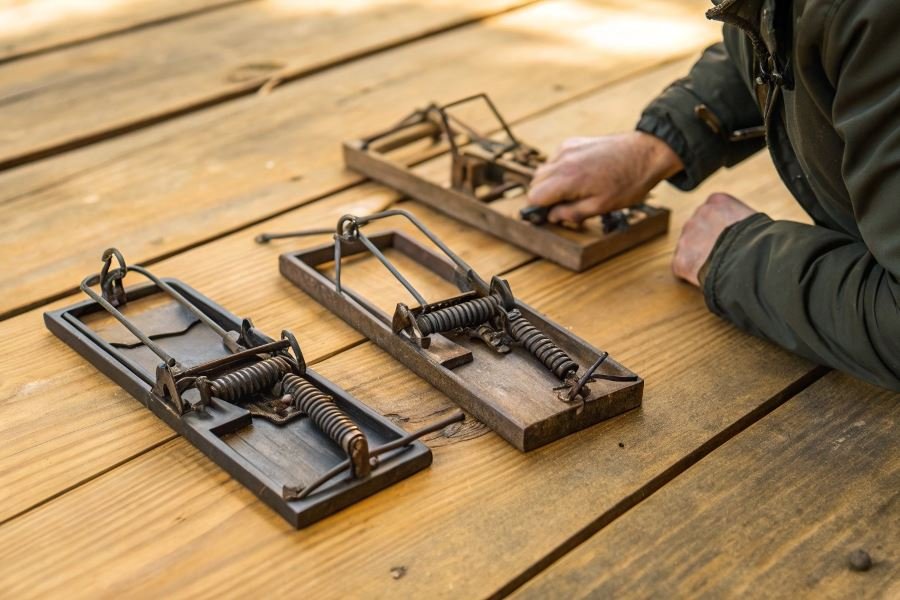
Ever wondered why some hunters return with stories of success while others come back empty-handed? The secret often lies not in luck, but in their approach to trap hunting.
Stepping into the world of trap hunting requires more than just equipment—it demands respect for wildlife, knowledge of regulations, and a commitment to safety. Whether you’re looking to supplement your food supply or manage wildlife on your property, understanding the fundamentals will set you up for responsible success.
The purpose and ethics behind the trap
Trap hunting isn’t simply about the catch—it’s about participating in a tradition that dates back thousands of years. Native Americans perfected trapping techniques long before European settlers arrived, using every part of their catch and maintaining balance with nature.
Today’s ethical trapper follows similar principles:
- Selective targeting to avoid non-target species
- Minimizing suffering through proper trap selection and checking
- Harvesting only what’s needed, never wasting the resource
“Ethical trapping means taking responsibility for every aspect of the hunt—from preparation to harvest to utilization.” — National Trappers Association
Navigating the legal landscape
Trap hunting regulations vary dramatically across states, with good reason. What works in Montana’s vast wilderness might be inappropriate for more densely populated areas.
Before setting your first trap, you must:
- Obtain proper licensing (most states require specific trapping permits)
- Understand season dates and catch limits
- Learn trap tagging requirements
- Know which species are legal to trap in your area
Many states require completion of a trapper education course before issuing permits—an investment that pays dividends in knowledge and confidence.
Safety first: Protecting yourself and others
Even simple traps demand respect. A properly set foothold trap can exert significant pressure, while body-gripping traps require careful handling to prevent injury.
Essential safety practices include:
- Wearing appropriate gloves when handling traps
- Using setting tools rather than bare hands
- Never stepping over set traps
- Keeping traps away from trails and areas frequented by pets or children
Remember: A successful trapper returns home safely every time, regardless of what’s in the catch bag.
Essential Factors for Choosing the Right Hunting Trap
When stepping into the world of trapping, beginners often find themselves overwhelmed by the sheer variety of options available. Learning how to choose a hunting trap for beginners requires understanding several critical factors that will determine your success in the field. Let’s dive into what truly matters when selecting your first traps.
Matching Traps to Target Species
The animal you’re targeting should dictate your trap selection. Different species require different approaches:
- Small game (rabbits, squirrels): Smaller foothold traps (sizes 0-1) or cage traps
- Medium predators (raccoons, foxes): Medium foothold traps (sizes 1.5-2) or body-gripping traps
- Larger predators (coyotes, bobcats): Larger foothold traps (sizes 2-3)
Remember that trap size correlates directly with effectiveness. Too small, and larger animals escape; too large, and smaller animals may avoid triggering the mechanism altogether.
| Animal Type | Recommended Trap Size | Best Trap Style |
|---|---|---|
| Rabbits/Squirrels | 0-1 | Cage or small foothold |
| Raccoons/Foxes | 1.5-2 | Body-gripping or foothold |
| Coyotes/Bobcats | 2-3 | Coil-spring foothold |
| Beaver | 330 | Body-gripping |
Understanding Trap Mechanisms
Each trap mechanism offers distinct advantages depending on your experience level and intended use:
Foothold Traps
These versatile traps restrain animals by the foot without causing significant injury when properly set. Modern designs include:
- Coil-spring models: Quick and powerful
- Longspring versions: More forgiving for beginners
- Offset or padded jaws: Reduce injury and improve humane capture
Body-Gripping Traps
These powerful traps (like the Conibear) deliver quick dispatch but require precise placement:
- Size 110: Small animals like mink
- Size 220: Medium-sized animals like raccoons
- Size 330: Larger animals like beaver
Beginners should approach these with caution and proper training.
Cage Traps
The most beginner-friendly option, these live-capture devices are:
- Highly selective
- Minimal risk to non-target animals
- Ideal for urban or suburban settings
- Perfect for learning trap placement and animal behavior
Material Quality and Durability
Your trap’s construction will determine its lifespan and effectiveness in the field:
Steel Quality
Premium traps use high-carbon steel that:
- Maintains spring tension through repeated use
- Resists bending under pressure
- Provides consistent performance in various conditions
Weather Resistance
Trapping often occurs in harsh environments, making proper finishing crucial:
- Galvanized traps: Resist rust but may have a noticeable scent
- Waxed traps: Minimal scent but require regular maintenance
- Powder-coated traps: Excellent durability with moderate scent control
Chain and Swivel Systems
Often overlooked but critical components:
- Multiple swivels prevent animals from twisting and potentially injuring themselves
- J-hooks or S-hooks should be properly closed and secure
- Chain length should be appropriate for the target species
The best traps feature machine-cut parts, precision-ground edges, and consistent spring tension. While premium options from manufacturers like Duke Traps or Bridger command higher prices, their reliability makes them worth the investment for serious beginners.
Remember that quality traps, properly maintained, will serve you for decades—making them one of the most cost-effective investments in your outdoor pursuits.
Top Hunting Traps That Beginners Will Love
Starting your hunting journey requires the right equipment, and selecting appropriate traps is crucial for success and ethical practice. I’ve spent countless hours in the field testing various options, and I’m thrilled to share my top recommendations that balance effectiveness, ease of use, and humane considerations.
Entry-level foothold traps worth every penny
Foothold traps remain a staple for beginners targeting small game like raccoons, foxes, and coyotes. The Duke #1.5 Coil Spring Trap stands out with its 5.5-inch jaw spread and robust construction that can withstand seasons of use. What makes it beginner-friendly? The adjustable pan tension allows you to set sensitivity based on your target species.
For those concerned about injury to animals, the Oneida Victor #1 Soft Catch features rubber-padded jaws that reduce trauma while maintaining holding power. These traps cost around $15-20 each, making them an accessible entry point.
The MB-550 deserves mention for its incredible versatility. While slightly pricier at $25-30, its offset jaws and four coil springs provide reliability that beginners appreciate when learning trap placement.
Remember that proper anchoring systems are essential companions to any foothold trap. Most beginners find success with stake swivels or drags depending on local regulations.
Humane cage traps for ethical captures
For those prioritizing live capture, cage traps offer simplicity and peace of mind. The Havahart 1079 two-door cage trap tops my list for beginners. Its 32-inch length accommodates raccoons and similar-sized animals, while the dual-door design increases capture probability by allowing animals to see through the trap.
What truly impresses me about the Tomahawk Deluxe Single Door Trap is its trigger system. The sensitive pan requires minimal pressure to activate, yet rarely produces false triggers from wind or falling debris – a common frustration for beginners.
For smaller game like squirrels and rats, the Duke Heavy Duty Cage Trap offers durability at an affordable $30 price point. Its mesh pattern prevents smaller paws from reaching bait without entering fully.
The most successful trappers aren’t those with the most expensive equipment, but those who understand animal behavior and habitat. Quality cage traps simply make this learning curve more forgiving.
Complete starter kits that save you money
Nothing accelerates the learning curve like a comprehensive kit. The F&T Trappers Starter Package includes six assorted foothold traps, stakes, chain, and essential tools like a trowel and hammer. At approximately $120, it represents significant savings over purchasing components separately.
For the cage trap enthusiast, Havahart’s Trapping Kit combines two different-sized cage traps with bait, gloves, and an instructional guide. The included carrying case makes transportation to your trapping location remarkably convenient.
The Duke Trapping Essentials Kit deserves special mention for including often-overlooked accessories:
| Included Item | Benefit to Beginners |
|---|---|
| Trap dye | Removes human scent and prevents rust |
| Wax | Weatherproofs and silences trap operation |
| Pan covers | Prevents dirt from interfering with trigger |
| Trap stakes | Secures traps properly in various soils |
| Instruction manual | Provides setup guidance for different species |
These kits typically range from $100-200 depending on contents, but the educational value and convenience they provide make them worth considering for serious beginners.
When selecting your first traps, prioritize versatility and ease of use over specialized equipment. As your skills develop, you’ll naturally gravitate toward more specialized tools for specific game and conditions.