
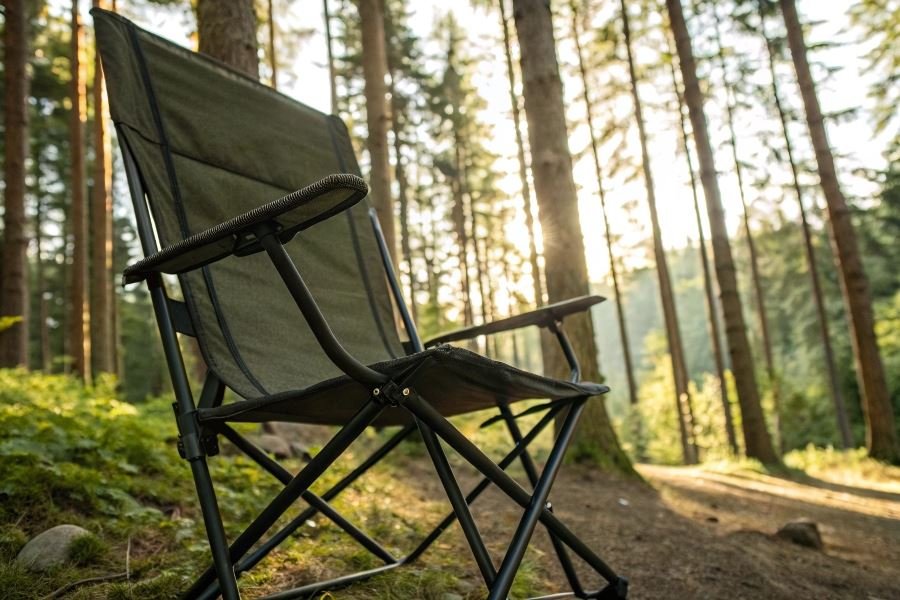
Ever wondered why your camping chair feels like a medieval torture device after an hour? The answer might be in the metal, not your muscles. When you’re perched on a rocky outcrop watching the sunset or huddled around a campfire telling stories, the material beneath you makes all the difference between comfort and counting the minutes until you can stand again.
The great outdoors has witnessed a materials revolution over the decades. Steel dominated the landscape until the mid-20th century, with its rugged dependability making it the go-to for everything from military folding chairs to backyard furniture. Aluminum burst onto the scene in the 1950s and 1960s, transforming outdoor gear with its lightweight profile. The iconic aluminum folding lawn chair—with its woven nylon webbing—became an American cultural staple at barbecues and Little League games nationwide.
When choosing between these metallic contenders, your adventure style matters enormously. Steel shines in durability and weight capacity, making it ideal for base camps and car camping where extra pounds aren’t a concern. Meanwhile, aluminum reigns supreme for backpackers and hikers where every ounce counts. Weather conditions play a crucial role too—aluminum naturally resists rust, while steel requires protective coatings to battle the elements.
“The right chair material isn’t just about comfort—it’s about matching your outdoor lifestyle, whether you’re a summit-chasing ultralight enthusiast or a comfort-seeking weekend warrior.”
The terrain you frequent should influence your choice as well. Rocky, uneven surfaces demand the structural integrity of steel, while aluminum’s flexibility works beautifully on softer ground. Your decision ultimately reflects your outdoor philosophy: prioritizing lightweight mobility or rock-solid stability.
The Ultimate Aluminum vs Steel Showdown for Outdoor Seating
When you’re miles from civilization with aching legs, your camp chair becomes a throne of comfort. But what material makes the superior outdoor seat? The comparison of materials for tourist chairs: aluminum vs steel reveals crucial differences that impact everything from your pack weight to your wallet. Let’s dive into what really matters when choosing between these two popular frame materials.
Weight: The Backpacker’s Bottom Line
Aluminum chairs dominate the lightweight category – and it’s not even close. A typical aluminum camp chair weighs 2-4 pounds, while steel counterparts often tip the scales at 7-10 pounds. This weight difference becomes your constant companion on every step of your journey.
The physics are simple: aluminum has approximately one-third the density of steel while maintaining sufficient strength for most outdoor seating applications.
For day hikers and car campers, this weight gap might seem negligible. But for backpackers covering serious mileage or families hauling multiple chairs to sporting events, those extra pounds compound quickly.
| Material | Average Chair Weight | Portability Rating |
|---|---|---|
| Aluminum | 2-4 lbs | Excellent |
| Steel | 7-10 lbs | Fair |
Durability: Battle Against the Elements
Steel chairs boast impressive raw strength, typically supporting 300-800 pounds compared to aluminum’s 250-350 pound capacity. However, durability isn’t just about weight capacity – it’s about longevity in harsh conditions.
Aluminum naturally forms a protective oxide layer when exposed to air, making it inherently resistant to rust and corrosion. Steel requires additional treatments like powder coating or paint to prevent oxidation. Once that protective layer is scratched, steel begins deteriorating rapidly in wet environments.
The difference becomes stark after a season of use: aluminum chairs might show scuffs but remain structurally sound, while untreated steel can develop rust spots that compromise integrity.
For coastal campers or those in humid climates, aluminum’s corrosion resistance provides significant long-term advantages. Steel shines in dry environments where its superior strength can be leveraged without moisture concerns.
Price: Investment vs Value Proposition
The initial price tag tells only part of the story. Steel chairs typically cost $20-45, making them the budget-friendly option. Aluminum models generally command $45-120, representing a significant premium.
However, the true value assessment requires looking beyond the price tag to consider:
- Transportation costs (fuel efficiency with lighter gear)
- Replacement frequency (durability over time)
- Versatility across different environments
| Material | Price Range | Lifespan | Value Rating |
|---|---|---|---|
| Aluminum | $45-120 | 5-10 years | High |
| Steel | $20-45 | 2-5 years* | Medium |
*With proper care in appropriate environments
For weekend warriors who camp occasionally, steel chairs from Coleman offer tremendous value. Dedicated outdoor enthusiasts who demand performance across various environments will find aluminum options from ALPS Mountaineering or Helinox justify their premium through versatility and longevity.
The material choice ultimately depends on your specific outdoor lifestyle, but understanding these fundamental differences ensures your investment supports your adventures rather than weighing them down.
Making the Right Choice: Aluminum vs Steel Tourist Chairs
When you’re miles from civilization with aching legs, the material of your camping chair suddenly becomes the most important decision you’ve ever made. Let’s dive into the aluminum vs steel debate with the enthusiasm it deserves—because your outdoor comfort literally hinges on this choice!
Aluminum Chairs Shine in These Scenarios
Aluminum tourist chairs have revolutionized the backpacking scene for good reason. Weighing typically between 2-4 pounds, these lightweight champions are perfect for long-distance hikers who count every ounce. The Helinox Chair Zero exemplifies this category, weighing a mere 1.1 pounds while supporting up to 265 pounds—that’s engineering magic!
Aluminum frames excel in:
- Multi-day backpacking trips where weight savings compound daily
- High-altitude adventures where carrying extra weight saps precious energy
- Hot, humid environments where aluminum’s corrosion resistance prevents rust
- Travel scenarios requiring frequent packing/unpacking
The difference between carrying a 2-pound aluminum chair versus a 7-pound steel one might seem negligible at your front door, but becomes monumental by mile twelve.
Aluminum chairs also offer surprising durability despite their featherweight status. Modern aircraft-grade aluminum alloys provide exceptional strength-to-weight ratios, making them resilient against the typical stresses of outdoor use.
Steel Chairs Rule These Situations
Steel tourist chairs command respect in scenarios where ultimate stability trumps portability concerns. These robust seating options typically feature powder-coated steel frames that can handle serious weight capacity—often supporting 300-500 pounds with unwavering confidence.
Steel frames dominate in:
- Car camping where weight isn’t a primary concern
- Extended basecamp setups requiring furniture that won’t budge
- Rough terrain where stability prevents tipping
- Budget-conscious purchases as steel options often cost less
The Coleman Oversized Quad Chair represents this category well, offering rock-solid support with its steel frame and additional features like built-in coolers that aluminum chairs simply can’t accommodate due to weight constraints.
Steel chairs aren’t just furniture—they’re statements of permanence in temporary spaces.
Maintenance and Longevity Face-Off
| Aspect | Aluminum Chairs | Steel Chairs |
|---|---|---|
| Weight | 1-4 pounds | 7-12 pounds |
| Corrosion | Naturally resistant | Requires protective coating |
| Cleaning | Simple wipe-down | May need rust prevention |
| Lifespan | 5-10 years with care | 10+ years with proper maintenance |
| Repair | Difficult to repair in field | Can sometimes be field-repaired |
Aluminum chairs require minimal maintenance—a quick rinse after exposure to saltwater environments is usually sufficient. Their anodized surfaces resist corrosion naturally, making them ideal for beach trips and humid conditions.
Steel chairs demand more attention. The protective powder coating can chip, exposing the metal to moisture and eventually rust. However, this doesn’t mean they’re high-maintenance—just that they benefit from occasional inspection and touch-ups with rust-resistant paint when needed.
The longevity equation isn’t just about material—it’s about matching your chair to your adventure style. An aluminum chair forced to bear weights beyond its rating will fail prematurely, while a properly maintained steel chair might become a camping heirloom passed down to the next generation of outdoor enthusiasts.
Choose aluminum when mobility matters most, steel when stability can’t be compromised, and either way—your back will thank you for not sitting on the ground!