
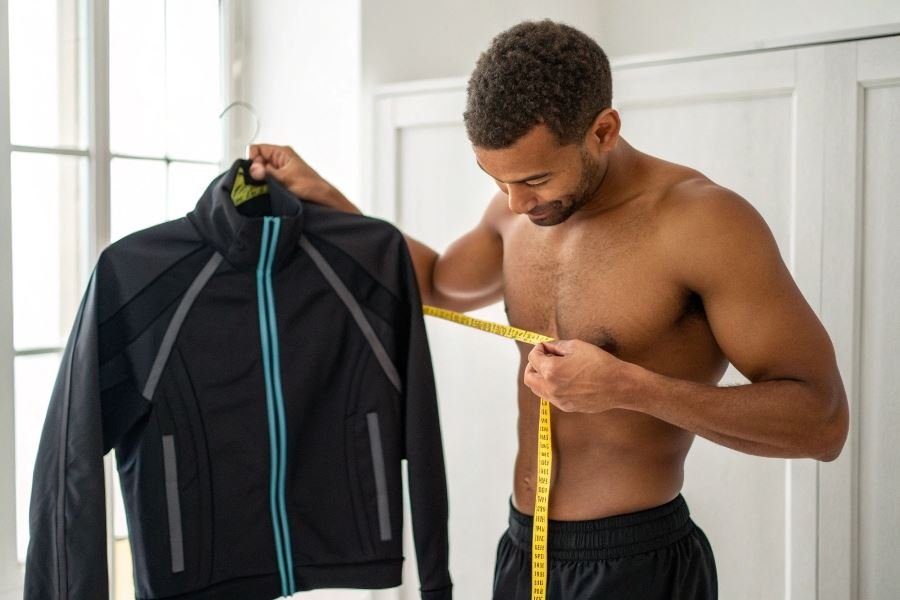
Remember when athletes trained in cotton t-shirts and basic sweatpants? Those days are firmly behind us. The specialized sports suit you choose today can be the difference between a personal record and a disappointing performance.
When Jesse Owens won four gold medals at the 1936 Olympics, he did it in hand-stitched leather shoes weighing 150 grams. Fast forward to today, and athletes benefit from decades of textile innovation that has transformed how we train. Modern sports apparel isn’t just clothing—it’s equipment engineered for specific movements, environments, and physiological demands.
The science is clear: wearing activity-specific gear can improve performance by 4-6% through better thermoregulation, reduced drag, and optimized muscle support. That might sound minimal until you realize it’s often the difference between first and fourth place in competitive sports.
The performance equation: When fabric meets function
Training-specific apparel works by addressing three critical factors:
- Environmental adaptation: Whether it’s moisture-wicking fabrics for hot yoga or windproof layers for winter running
- Movement optimization: Strategic compression and ergonomic seam placement that works with your body, not against it
- Recovery enhancement: Graduated compression that improves blood flow during and after intense sessions
When selecting training gear, consider the specific demands of your activity. A HIIT session requires different support than a long-distance run. The right sports suit doesn’t just feel better—it helps you perform better by working in harmony with your body’s natural mechanics.
The Perfect Fit for Every Workout
When your training shifts gears, shouldn’t your gear shift too? The science behind athletic apparel has evolved dramatically, creating specialized options that can genuinely enhance performance across different training modalities. Today’s athletes understand that sports suits for different types of training aren’t just about looking the part—they’re engineered tools that can significantly impact your results.
Endurance Training: Going the Distance
Endurance athletes face unique challenges that demand specialized apparel solutions. Whether you’re logging miles on pavement, pedaling through mountain passes, or cutting through water, your gear needs to work as hard as you do.
Running suits prioritize lightweight construction and strategic ventilation. Look for:
- Moisture-wicking fabrics that pull sweat away from skin
- Reflective elements for low-light safety
- Minimal seams to prevent chafing during repetitive movements
Nike’s Dri-FIT collection exemplifies this balance, offering compression benefits without restricting natural movement.
For cycling enthusiasts, aerodynamics and padding become critical factors. Premium cycling suits feature:
- Streamlined silhouettes that reduce wind resistance
- High-density chamois padding for saddle comfort
- Gripper elements at leg openings to prevent riding up
Swimming apparel represents perhaps the most specialized category, where fabric technology directly impacts speed. Technical swimsuits from brands like Speedo compress the body to reduce drag while maintaining flexibility where needed.
Strength Training: Power Moves
The demands of the weight room require entirely different considerations from endurance sports. Strength training apparel must accommodate explosive movements while providing support and protection.
Key features to look for include:
- Reinforced seams that withstand extreme stretching
- Strategic compression to support muscles and joints
- Abrasion-resistant fabrics that won’t tear during floor exercises
Powerlifters often prefer suits with slightly stiffer materials that provide feedback during lifts, while functional fitness enthusiasts might opt for more flexible options that allow for greater range of motion.
| Training Type | Material Priority | Fit Preference | Key Feature |
|---|---|---|---|
| Powerlifting | Rigid, supportive | Compression | Reinforced knees/elbows |
| Bodybuilding | Stretch, breathable | Form-fitting | Moisture management |
| CrossFit | Durable, versatile | Athletic | Abrasion resistance |
HIIT: Ready for Anything
High-Intensity Interval Training demands perhaps the most versatile athletic wear of all. These workouts combine explosive power movements with cardio bursts, requiring apparel that can transition seamlessly between different movement patterns.
The ideal HIIT suit features:
- Four-way stretch fabrics that move in every direction
- Strategic ventilation zones in high-heat areas
- Anti-odor technology to combat intense sweat sessions
Under Armour’s RUSH collection exemplifies modern HIIT apparel, incorporating minerals that allegedly reflect energy back into muscles during these demanding workouts.
What makes HIIT apparel unique is its hybrid nature—combining the breathability of running gear with the durability of strength training apparel. This versatility makes quality HIIT suits a smart investment at $80-150 for those who enjoy varied training styles.
Remember that while specialized gear can enhance performance, the most important factor remains finding apparel that makes you feel confident and comfortable in your specific training environment.
Elevate Your Training Game Through Smart Apparel Choices
The difference between a good workout and a great one often comes down to what you’re wearing. As performance fabrics continue to evolve and training methodologies become more specialized, your apparel choices deserve strategic consideration.
Tomorrow’s Fabrics Available Today
The technical advancement in training apparel has accelerated dramatically in recent years. What began with simple moisture-wicking has evolved into a sophisticated science of performance enhancement.
Compression technology has moved beyond basic squeeze to targeted muscle support. Brands like Under Armour now engineer compression suits with variable zones that provide different levels of pressure precisely where your muscles need it most.
The integration of antimicrobial silver threads has transformed from luxury to standard feature in premium training gear, extending wear time between washes while maintaining freshness.
Perhaps most impressive is the emergence of thermoregulating fabrics that actively respond to body temperature:
| Technology | Function | Best For |
|---|---|---|
| Phase-change materials | Store and release heat as needed | Variable temperature environments |
| Aerogel insulation | Provides warmth without bulk | Cold-weather training |
| Cooling polymers | Accelerate evaporation | High-intensity summer workouts |
These innovations aren’t just marketing gimmicks—they’re measurable performance enhancers that can extend training duration and improve recovery times.
Dressing for the Season Without Compromise
The serious athlete trains year-round, making seasonal adaptability crucial. Winter training demands more than simply adding layers; it requires strategic insulation that doesn’t restrict movement.
For cold-weather training, look for:
- Breathable windproof outer layers that block chill without trapping excessive heat
- Base layers with targeted ventilation zones that prevent overheating during intensity spikes
- Convertible elements that allow quick adaptation as body temperature rises
Summer training presents different challenges. Nike’s Dri-FIT technology exemplifies the modern approach to hot-weather performance gear—ultra-lightweight fabrics with strategic mesh panels that maximize airflow while maintaining structural integrity.
The most effective seasonal training suits don’t just accommodate weather conditions—they actively help you capitalize on them.
The Economics of Excellence
Quality training apparel represents a significant investment, but the calculus extends beyond initial cost. The durability equation includes:
- Cycle resilience: How many wash-and-wear cycles before performance degradation
- Recovery retention: How long compression elements maintain their supportive properties
- Seam integrity: Whether construction can withstand repetitive movement stress
Premium training suits from companies like lululemon often command prices 3-4 times higher than basic alternatives, but typically deliver 5-7 times the functional lifespan.
Consider also the hidden costs of inferior gear: chafing that cuts workouts short, inadequate support that increases injury risk, or poor temperature management that limits training capacity.
The most cost-effective approach often involves building a focused collection of high-performance pieces rather than accumulating numerous lower-quality options. Invest in versatile core pieces that serve multiple training modalities, then supplement with specialized items for specific activities.
When properly selected and maintained, today’s advanced training apparel doesn’t just facilitate your workouts—it becomes an active partner in your athletic progression.