
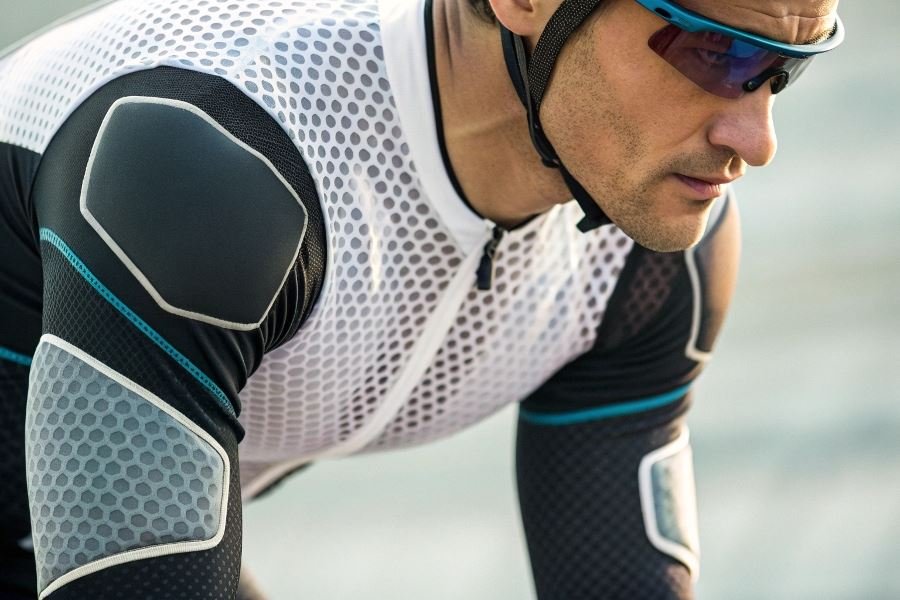
Ever noticed how Olympic athletes seem to glide in their tracksuits while yours feels like you’re wearing either a parachute or your younger sibling’s hand-me-down? The difference isn’t just in the training—it’s in the fit.
Finding the right tracksuit size isn’t just about looking good (though that’s a nice bonus). It’s about optimizing your performance and ensuring maximum comfort whether you’re hitting the track, heading to the gym, or simply running weekend errands. A properly fitted tracksuit allows for full range of motion without excess fabric getting in your way or restrictive tightness limiting your movements.
Decoding the sizing babel
Men’s tracksuit sizing typically follows three main systems:
- Numerical sizing (S, M, L, XL, etc.)
- Chest measurements (typically in inches)
- Height-based sizing (common in European brands)
“The right tracksuit should feel like a second skin—present enough to provide warmth and structure, but invisible in terms of restriction.” — Professional trainer insight
The fit frustrations
The most common sizing challenges include:
- Brand inconsistency: A medium in Nike might feel like a large in Adidas
- Athletic build variations: Broad shoulders with slim waist? Standard sizes might not accommodate
- Length issues: Sleeves that end mid-forearm or pants that flood aren’t just fashion faux pas—they affect functionality
Remember that measurements matter more than the label. Your “large” ego might prefer an “medium” tag, but your performance will thank you for prioritizing proper fit over size perception.
Mastering the Measurements for Men’s Tracksuits
Finding that perfect tracksuit isn’t just about style—it’s about performance, comfort, and confidence. When your tracksuit fits like it was custom-made, every movement feels natural, every stride purposeful. Let’s dive into the essential measurements that will transform your tracksuit shopping experience from guesswork to precision.
The process of how to choose the size of a men’s tracksuit requires understanding your body’s unique proportions and how they interact with athletic wear. Unlike formal attire, sportswear demands room for movement while maintaining a streamlined silhouette that doesn’t hinder performance.
Upper Body Precision: Chest and Shoulders
Chest measurement forms the foundation of your tracksuit jacket fit. Wrap a measuring tape around the fullest part of your chest, keeping the tape parallel to the floor. Breathe normally—don’t puff out or exhale completely. This number is your baseline.
The difference between a good fit and a great fit often comes down to a single inch around the chest.
For shoulder measurements, extend the tape from the edge of one shoulder across to the other. The correct measurement runs from the point where your shoulder begins to curve downward on each side.
| Body Part | How to Measure | Common Mistake |
|---|---|---|
| Chest | Around fullest part, tape parallel to floor | Measuring while inhaling deeply |
| Shoulders | Edge to edge across shoulder points | Measuring too far down the arm |
Lower Body Foundations: Waist and Inseam
Your waist measurement should be taken at your natural waistline—typically slightly above your hip bones. For tracksuit pants, this measurement is crucial as it determines whether you’ll need to constantly adjust your waistband during activity.
The inseam measurement runs from your crotch to where you want your pants to end. For tracksuits, this typically falls at the ankle or slightly above. Remember that different brands may have varying interpretations of “regular,” “short,” or “long” lengths.
Movement Allowance: The Dynamic Dimension
Athletic wear demands consideration beyond static measurements. When selecting your tracksuit size, factor in:
-
Layering needs – Will you wear additional clothing underneath? Add approximately 1-2 inches to key measurements if you plan to layer.
-
Activity intensity – High-impact sports require more freedom of movement than casual wear. Consider sizing up if you’ll be engaging in dynamic activities.
-
Material stretch – Modern Nike or Adidas tracksuits often incorporate elastane or similar stretch materials, allowing for a more fitted base size.
Pro tip: When trying on tracksuits, perform a few basic movements—reach upward, bend forward, simulate a running motion. Your tracksuit should move with you, not against you.
Remember that measurements are just the starting point. Each manufacturer has their own sizing charts, and these can vary significantly. Always check brand-specific guides before making your purchase. The perfect tracksuit doesn’t just fit your body—it fits your lifestyle, enhancing every movement while providing the comfort and confidence to perform at your best.
Mastering the Final Fit: Expert Tips for Men’s Tracksuit Sizing
Finding that perfect tracksuit fit isn’t just about comfort—it’s about performance, style, and confidence. After understanding your measurements and body type, these final considerations will ensure you nail the sizing process every time.
Navigate Brand-Specific Sizing Landscapes
The sizing universe varies dramatically between brands. Nike tracksuits typically run slimmer than Adidas equivalents, while Under Armour often features a more athletic cut through the shoulders and chest.
American heritage brands like Champion tend to offer more generous fits compared to European labels like Puma or Kappa. This isn’t random—it reflects each brand’s design philosophy and target audience.
Pro tip: Create a personal brand sizing chart. Note how each brand fits you compared to your standard size. This becomes invaluable when shopping online.
When to Strategically Size Up or Down
Material composition and design intent should influence your sizing decisions:
| Material Type | Sizing Recommendation | Reasoning |
|---|---|---|
| Cotton-heavy blends | Consider sizing up | Natural shrinkage after washing |
| Technical synthetics | True to size | Minimal shrinkage, designed for movement |
| Fleece-lined options | Size up if layering | Accommodates additional clothing underneath |
| Performance stretch | Can size down | Material provides natural give |
Design elements matter too. Tracksuits with tapered legs or slim-fit jackets might require sizing up for athletic builds. Conversely, oversized or relaxed designs might benefit from sizing down to avoid swimming in fabric.
Remember that intended use affects sizing choices. Training suits should prioritize range of motion, while lifestyle pieces can follow fashion preferences more closely.
Post-Purchase Fit Evaluation
The real test happens when you wear your tracksuit in action. Here’s how to evaluate the fit:
-
Movement assessment: Perform typical movements—reach overhead, squat down, twist side to side. Any restriction signals potential sizing issues.
-
Comfort zones: Pay attention to key areas—shoulders, chest, waist, and inseam. Discomfort in these regions rarely improves with wear.
-
Layer compatibility: If you’ll wear additional layers underneath, test the fit with those layers present.
If adjustments are needed, consider these options:
-
Minor tweaks: Many tracksuits can be slightly customized. Drawstrings can be tightened, cuffs can be rolled, and some materials naturally conform to your body over time.
-
Professional alterations: While not ideal for technical fabrics, simple length adjustments can transform fit. Just avoid altering areas with specialized stretch panels or ventilation.
-
Exchange policies: Quality retailers understand fit challenges. Familiarize yourself with return windows—typically 30-60 days for unworn items.
The perfect tracksuit should feel like a natural extension of your body—present but never restrictive. When sized correctly, you’ll forget you’re wearing it while enjoying all its performance benefits. That’s the ultimate sign you’ve mastered the sizing game.