
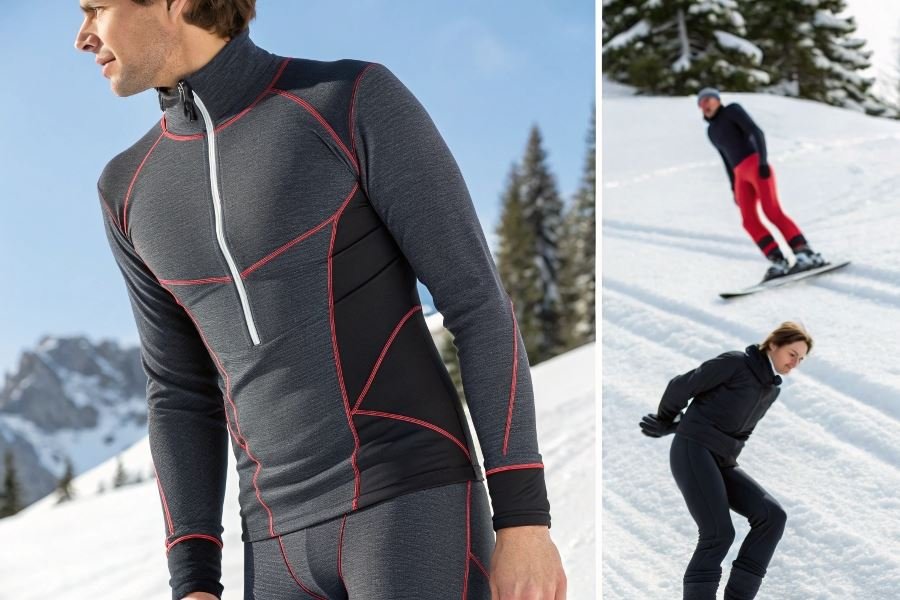
Ever stood on a mountain peak with the wind cutting through your jacket like it wasn’t even there? Or felt that bone-deep chill during a winter run that no amount of movement seems to shake? That’s when you realize—your base layer isn’t just underwear, it’s your personal climate control system.
Thermal underwear represents the unsung hero of outdoor performance gear. While your outer shell gets all the glory with its flashy colors and brand logos, it’s what’s underneath that truly determines whether you’ll be conquering the elements or retreating to the nearest heated space.
At its core, quality thermal underwear works through a delicate balance of insulation and moisture management. The best options create a microclimate against your skin—trapping body heat in tiny air pockets while simultaneously wicking away sweat that would otherwise cool and chill you. This dual functionality explains why cotton (which holds moisture) remains the worst possible choice for cold-weather activities.
Selecting the right thermal layer involves navigating a matrix of considerations: material composition, weight classification, fit precision, and activity-specific features. The difference between appropriate and inappropriate choices isn’t just comfort—it’s performance and sometimes even safety.
The perfect thermal underwear doesn’t just keep you warm; it extends your season, expands your capabilities, and transforms challenging conditions into conquerable environments.
The Fabric Frontier of Men’s Thermal Underwear
When the temperature drops, your first line of defense isn’t your outer shell—it’s what lies beneath. The material of your thermal underwear can make the difference between shivering misery and comfortable warmth during winter activities. Let’s dive into the textile technology that keeps adventurers, athletes, and everyday warriors performing at their peak when the mercury plummets.
Natural vs. Synthetic: The Great Debate
The journey of choosing thermal underwear for men begins with understanding the fundamental material options. Each fabric brings distinct advantages to the thermal table:
Merino Wool: Nature’s performance fabric reigns supreme for good reason. This superfine wool from Merino sheep offers exceptional temperature regulation, trapping heat in microscopic air pockets while still allowing your skin to breathe.
Merino’s natural antimicrobial properties mean you can wear it for multiple days without the dreaded funk—perfect for multi-day adventures.
Silk: The luxury option isn’t just for show. Silk thermals provide surprising warmth despite their lightweight feel, making them ideal for layering under business attire or when bulk is a concern. However, silk demands gentle care and comes with a premium price tag.
Polyester and Synthetics: Man-made fibers have evolved dramatically, offering exceptional moisture management and durability at budget-friendly prices. Brands like Under Armour and Nike have developed proprietary synthetic blends that rival natural fibers in performance.
Blended Options: The modern sweet spot combines natural and synthetic fibers. A merino-polyester blend, for instance, delivers wool’s warmth and odor resistance with synthetic durability and faster drying times.
Moisture Management: The Dry Factor
When selecting thermal underwear materials, moisture-wicking capability might be the most crucial consideration. Here’s why it matters across activity levels:
| Activity Level | Moisture Concerns | Ideal Material Properties |
|---|---|---|
| High Intensity | Heavy sweating during skiing, running, climbing | Maximum wicking, quick-drying synthetics or thin merino blends |
| Moderate Activity | Periodic sweating during hiking, casual sports | Balanced wicking and insulation, medium-weight merino or blends |
| Low Activity | Minimal perspiration during casual wear | Emphasis on insulation, heavier merino or silk |
The technical term “moisture-wicking” refers to a fabric’s ability to pull sweat away from your skin and disperse it through the material where it can evaporate. This prevents the clammy, cold sensation that occurs when sweat cools against your body—a potentially dangerous situation in cold environments.
Durability and Care: The Longevity Equation
Your investment in quality thermals deserves proper maintenance consideration:
Merino Wool: Requires gentle washing (cold water, mild detergent) and air drying. Quality merino pieces from Smartwool or Icebreaker can last several seasons with proper care, though they’re susceptible to pilling and holes if treated roughly.
Synthetics: The workhorses of the thermal world. Most polyester-based options can handle regular machine washing and quicker drying cycles. They typically maintain their shape and wicking properties longer than natural fibers.
Silk: The high-maintenance option requires hand washing or delicate cycles and air drying. While beautiful and effective, silk thermals rarely survive intense outdoor activities without damage.
The material you choose ultimately depends on your specific needs—whether you’re conquering mountain trails, hitting the slopes, or simply trying to stay comfortable during daily winter activities. The right fabric ensures your base layer works as hard as you do, keeping you dry, comfortable, and performing at your best when the temperature drops.
The Perfect Fit: Mastering Men’s Thermal Underwear Selection
Let’s talk fit—because when it comes to thermal underwear, the difference between “just right” and “not quite” can mean the difference between conquering that mountain trail or turning back early. The foundation of performance starts with how your base layer hugs your body.
Sizing That Works With Your Body
Thermal underwear should feel like a second skin—snug enough to trap heat efficiently but never so tight that it restricts movement or circulation. The perfect thermal fit creates a microclimate against your skin, wicking moisture away while maintaining warmth.
When trying on thermals, perform a quick mobility test: reach overhead, squat down, and twist your torso. If you feel pinching, binding, or excessive bunching, size up. Conversely, if material sags or creates air pockets, size down.
Remember that different brands have different sizing standards. Under Armour base layers typically run true to size, while Smartwool pieces might require sizing down for optimal performance.
Layering Logic: Thickness and Compatibility
Base layer thickness isn’t just about warmth—it’s about system integration. Consider your thermal underwear as the foundation of a sophisticated climate control system.
| Weight Category | Fabric Thickness | Best For | Layering Compatibility |
|---|---|---|---|
| Ultralight | <150g/m² | High-output activities, mild cold | Excellent under tight mid-layers |
| Lightweight | 150-200g/m² | Moderate activity, cool conditions | Versatile for most outerwear |
| Midweight | 200-300g/m² | Low activity, cold conditions | May require roomier outer layers |
| Heavyweight | 300g/m² | Minimal activity, extreme cold | Requires specifically sized outerwear |
Compatibility with other layers matters tremendously. A too-thick base layer under slim-fit pants creates uncomfortable compression, while ultralight thermals might not provide enough insulation under loose-fitting shells.
The most versatile approach? Lightweight thermals (around 180g/m²) provide excellent temperature regulation across most conditions while maintaining compatibility with standard-cut outerwear.
Design Features That Elevate Performance
The devil—and the delight—is in the details when it comes to thermal underwear design.
Seam Construction
Flat-lock seams are non-negotiable for high-performance thermals. These specialized stitches eliminate the raised ridges of traditional seams, preventing chafing during extended wear. Patagonia and Icebreaker excel in this department, with seams so smooth you’ll forget they exist.
Comfort Enhancements
Tagless labels have revolutionized the comfort game. Brands like REI Co-op now print care instructions directly onto fabric, eliminating the scratchy tag experience entirely.
The neck collar deserves special attention—a poorly designed collar can create irritation at precisely the point where your base layer meets exposed skin. Look for brushed fabric interiors and slightly relaxed neck openings.
Strategic Ventilation
Modern thermal underwear incorporates mesh ventilation zones at heat-dump points—typically the armpits, behind the knees, and along the spine. These breathable panels prevent overheating during activity spikes without compromising overall warmth.
Nike Pro thermals feature particularly effective mapping of these zones, with perforated panels that correspond to the body’s natural heat distribution patterns.
The most advanced designs now incorporate variable compression—tighter in areas requiring support, looser in high-mobility zones. This anatomical approach ensures your thermals work with your body’s natural mechanics rather than against them.
When selecting your next pair of thermal underwear, remember that fit and design aren’t just about comfort—they’re about performance optimization. The right thermal layer disappears from consciousness while elevating your outdoor experience.