
Ever stood at the starting line of a race, feeling that uncomfortable trickle of sweat down your back before you’ve even begun? That’s not pre-race jitters—that’s your shirt failing you before you’ve taken your first stride.
The humble running shirt might seem like the least important piece of your gear arsenal, but seasoned runners know better. The difference between a good run and a miserable slog often comes down to what’s covering your torso. When Boston Marathon champion Des Linden shaved nearly two minutes off her personal best in 2018, she credited not just her training but her meticulous attention to gear—starting with the perfect technical shirt that kept her dry through changing weather conditions.
Your shirt isn’t just fabric—it’s functional equipment. The right running shirt regulates your body temperature, wicks away performance-hindering moisture, prevents chafing that can sideline you for days, and even impacts your aerodynamics. Studies from the University of Colorado’s Locomotion Lab show that fabric choice alone can affect energy expenditure by up to 3% over long distances—that’s the difference between hitting your PR or missing it.
The comfort-performance connection
When selecting your running shirt, consider these critical factors:
- Material composition that balances breathability with durability
- Fit precision that allows full range of motion without excess fabric
- Moisture management capabilities appropriate for your sweat rate and climate
- Seam construction that prevents irritation at high-friction points
Remember: your perfect running shirt isn’t just about looking good in those finish line photos—it’s about creating the optimal environment for your body to perform at its peak potential.
Essential Features That Make or Break Your Running Shirt
When the rubber meets the road, your running performance hinges on more than just willpower and training. The technical fabric covering your torso can be the difference between a personal best and a miserable slog. Selecting which t-shirt to choose for running requires understanding the science behind athletic apparel and how it interacts with your body during different intensities and environments.
Moisture Management: Your First Defense
The cornerstone of any quality running shirt is its ability to handle sweat efficiently. Unlike cotton which becomes a soggy burden, performance fabrics like Nike’s Dri-FIT or Under Armour’s HeatGear actively transport moisture away from your skin.
The science is impressive: Polyester microfibers create capillary action that pulls sweat to the outer surface where it can evaporate. This evaporative cooling effect can lower your core temperature by 1-2°F during intense efforts.
Modern moisture-wicking technologies aren’t created equal:
| Technology | Drying Speed | Odor Control | Best For |
|---|---|---|---|
| Polyester blends | Fast | Moderate | Everyday training |
| Nylon microfiber | Very fast | Good | Race day, hot weather |
| Merino wool | Moderate | Excellent | Long distances, variable conditions |
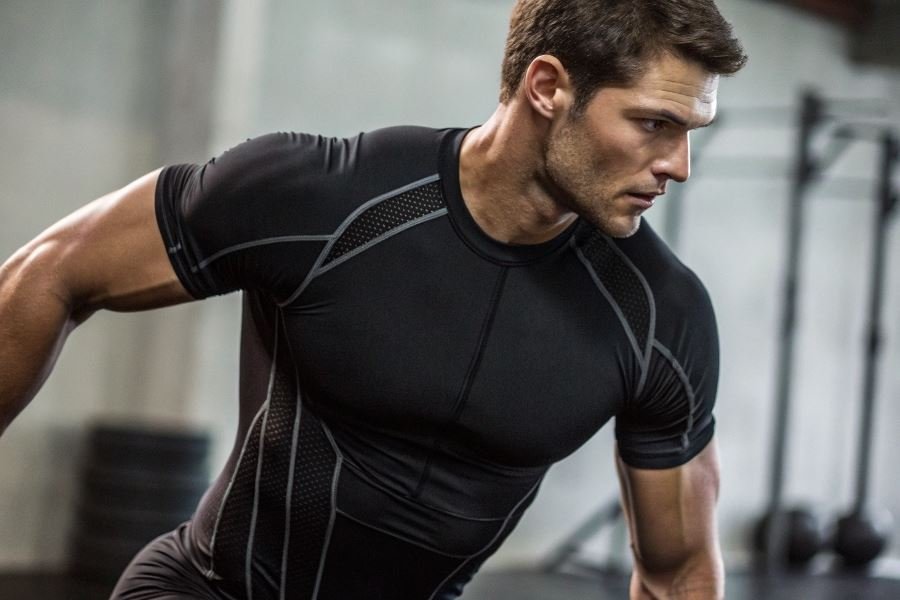
Breathability works hand-in-hand with wicking properties. Strategically placed mesh panels in high-heat zones (underarms, upper back) create ventilation highways that accelerate cooling when you need it most.
Fit Philosophy: Movement Without Restriction
The perfect running shirt disappears on your body. It neither flaps in the wind nor restricts your natural stride mechanics. Your running style dictates your ideal fit profile:
Interval warriors benefit from compression-style fits that reduce muscle vibration and provide proprioceptive feedback. The slight compression can improve blood flow and reduce fatigue during high-intensity efforts.
Distance devotees often prefer a more relaxed (but not baggy) silhouette that allows for greater airflow and less contact with potentially irritated skin over many miles.
Critical design elements include:
- Raglan sleeves that eliminate shoulder seams
- Articulated panels that move with your body
- Longer back hems that prevent riding up
Tracksmith’s Session Tee exemplifies thoughtful design with its lightweight construction and performance-oriented fit that works across multiple running disciplines.
Seam Engineering: The Chafing Revolution
Nothing ruins a run faster than the burning sensation of chafed skin. Modern seam construction has evolved dramatically to address this universal runner’s complaint.
Flatlock seams represent the gold standard—they create a smooth, low-profile junction between fabric panels that virtually eliminates friction. The difference between traditional seams and flatlock construction becomes painfully apparent around mile 8 of a sweaty long run.
Seamless technology takes this concept further by eliminating traditional seams altogether in critical areas. Lululemon’s Metal Vent Tech shirts use seamless construction in the underarm and side panels—high-friction zones where chafing typically begins.
Anti-chafing innovations extend beyond seams to include:
- Strategic placement of reflective elements away from friction points
- Bonded hems that eliminate bulky stitching
- Tag-free designs that remove a common irritation source
The technical evolution of running shirts continues to accelerate, with brands developing proprietary solutions to these fundamental challenges. Your perfect running shirt balances these essential features while matching your specific running profile and preferences.
The Ultimate Running Shirt Decision Guide
Choosing the perfect running shirt might seem simple, but it’s the foundation of your running experience. After exploring fabrics, fits, and features, it’s time to bring it all together and make that final decision. Let’s dive into how to balance performance with personal needs, adapt to seasons, and keep your gear performing at its peak.
Performance meets personal preference
The technical specs matter, but your comfort is non-negotiable. The best running shirt is one you’ll actually wear, so balance these considerations:
Technical priorities: Identify your non-negotiable features. For high-intensity runners, moisture management tops the list. Trail runners might prioritize durability, while marathon enthusiasts need chafing protection above all.
Your running environment dictates different needs. Urban runners in humid climates benefit most from Nike Dri-FIT technology, while trail enthusiasts might find Patagonia’s Capilene collection offers the durability-to-weight ratio they need.
The shirt that wins performance tests might not be the one that feels best on your unique body. Trust your comfort instincts.
Fit philosophy: Some runners perform better in compression fits that provide muscle support, while others need the psychological freedom of relaxed cuts. Neither is universally “better” – it’s about matching your running style and body type.
Seasonal shirt strategy
Your running wardrobe should evolve with the calendar:
| Season | Primary Fabric | Key Features | Example Products |
|---|---|---|---|
| Summer | Ultralight polyester | Maximum ventilation, UPF protection | Under Armour Iso-Chill |
| Fall/Spring | Merino wool blends | Temperature regulation, versatility | Smartwool Merino Sport |
| Winter | Thermal synthetic layers | Insulation, moisture management | Craft Active Extreme |
Transition season tactics: The most versatile shirts use temperature-responsive fabrics that adapt to body heat. Lululemon’s Metal Vent Tech series excels during unpredictable weather patterns with its balanced breathability and insulation.
Layering logic: In variable conditions, choose base layer shirts that work well under jackets or vests. Seamless designs with raglan sleeves prevent bunching when layered.
Extending your shirt’s lifespan
The best running shirt is one that maintains its performance over hundreds of miles. Proper care dramatically extends functionality:
Washing wisdom:
- Turn technical fabrics inside out before washing
- Skip fabric softeners that clog moisture-wicking properties
- Use cold water cycles to preserve elasticity
- Air dry to maintain shape and technical features
Synthetic performance fabrics typically last 300-500 washing cycles when properly maintained, compared to just 100 cycles with improper care.
Storage smarts: Hanging technical shirts preserves their shape better than folding. For compression gear, flat storage prevents stretched elastic.
Rotation reality: Even premium running shirts need rest. Establish a 3-4 shirt rotation to allow complete drying between uses, preventing bacterial growth and extending fabric life.
The perfect running shirt balances science with personal comfort, adapts to your environment, and maintains performance with proper care. When these elements align, your running experience transforms from merely functional to genuinely enjoyable.