
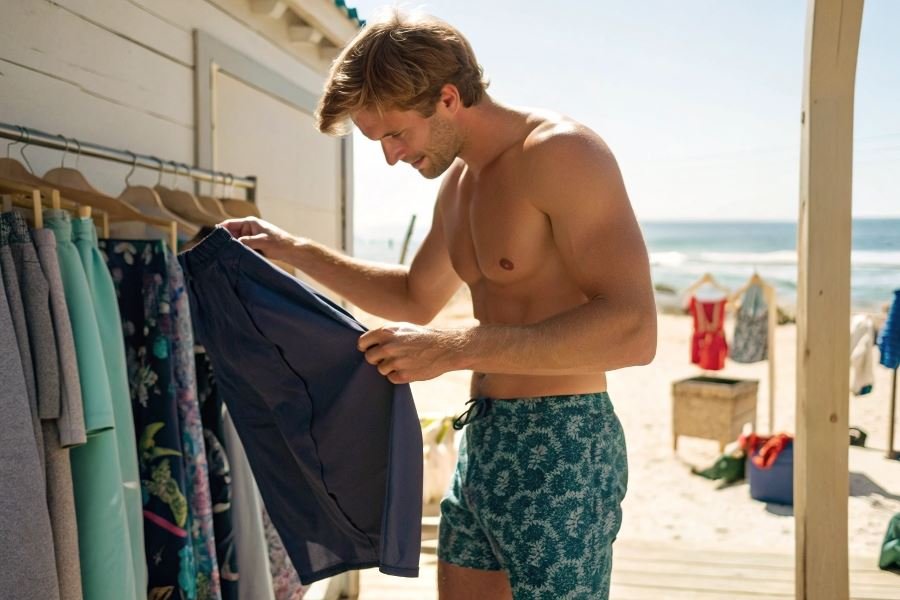
Ever wondered why elite athletes obsess over what their shorts are made of? It’s not vanity—it’s victory. When you’re pushing your limits on the track, field, or court, the difference between gold and silver can literally be in the fabric.
The material of your sports shorts isn’t just about looking good—it’s your second skin during intense activity. The right fabric works with your body, while the wrong one fights against you. Think about it: when you’re in the middle of a marathon or the final quarter of a basketball game, the last thing you need is your gear holding you back.
Performance fabrics have revolutionized athletic wear since the introduction of synthetic materials in the 1970s. Today’s high-performance shorts are engineering marvels, designed to wick moisture, reduce friction, and enhance movement. The difference between cotton shorts and modern performance wear is like comparing a flip phone to a smartphone—they’re barely in the same category.
When selecting materials for sports shorts, three factors reign supreme:
- Breathability – How effectively the fabric allows air circulation and heat dissipation
- Moisture management – The fabric’s ability to pull sweat away from your skin
- Stretch and recovery – How the material moves with your body and maintains its shape
The material directly impacts not just comfort, but actual performance metrics. Studies show that moisture-wicking fabrics can lower body temperature by up to 1-2 degrees during intense exercise—a significant advantage when every second counts.
“The right fabric doesn’t just feel better—it measurably improves performance by reducing physiological strain during exercise.”
Your choice of material also determines how long your shorts will last and how they’ll function in different conditions. Polyester blends might offer durability for high-friction sports, while lightweight nylon excels for distance running. The material science behind today’s athletic wear is as sophisticated as what goes into professional sports equipment—because when you’re serious about performance, every detail matters.
Game-Changing Fabrics for Athletic Performance
When you’re pushing your limits on the track, at the gym, or on the trail, your gear needs to keep up. The best materials for men’s sports shorts have evolved dramatically over the past decade, with technical innovations that can genuinely enhance your workout experience. Let’s dive into the fabrics that are revolutionizing athletic performance and comfort.
Synthetic Performance Powerhouses
The backbone of modern athletic wear, synthetic performance fabrics have become the gold standard for serious athletes and weekend warriors alike. These engineered materials offer advantages that natural fibers simply can’t match.
Polyester leads the pack with its incredible durability and shape retention. Premium polyester blends from brands like Nike and Under Armour resist pilling even after hundreds of wash cycles. Unlike cotton, which becomes heavy and restrictive when wet, polyester maintains its lightweight feel throughout your workout.
Nylon brings superior strength-to-weight ratio to the table. It’s remarkably abrasion-resistant, making it ideal for high-friction activities like trail running or CrossFit. Modern nylon blends are 40% lighter than comparable cotton fabrics while offering 3-4 times the tensile strength.
Spandex (also known as elastane or Lycra) is the secret ingredient that gives athletic shorts their crucial stretch factor. Even a modest 10-15% spandex content can provide the freedom of movement needed for deep squats, sprints, or yoga poses.
Moisture Management Masters
Nothing kills performance faster than being drenched in sweat. Technical moisture-wicking materials have transformed how athletes stay comfortable during intense activity.
These specialized fabrics work through a combination of:
- Capillary action – Microscopic channels in the fabric pull moisture away from the skin
- Quick-drying properties – Engineered to spread moisture across a larger surface area for faster evaporation
- Antimicrobial treatments – Preventing odor-causing bacteria from thriving in damp conditions
The most effective moisture-wicking shorts feature multi-layer construction, with hydrophobic (water-repelling) inner layers and hydrophilic (water-attracting) outer layers. This creates a pressure gradient that actively moves sweat away from your body.
| Material | Drying Time | Moisture Wicking | Odor Resistance |
|---|---|---|---|
| Premium Polyester | 15-30 min | Excellent | Good with treatment |
| Nylon Blends | 20-40 min | Very Good | Excellent |
| Cotton | 1-3 hours | Poor | Poor |
Specialized Performance Fabrics
The cutting edge of athletic apparel features specialized materials engineered for specific activities and conditions.
Compression fabrics deliver graduated pressure that improves blood circulation and reduces muscle fatigue. True compression shorts from brands like 2XU and Skins are constructed with precise tension mapping that targets specific muscle groups.
“The right compression shorts can reduce muscle oscillation by up to 65% during high-impact activities, significantly decreasing post-workout soreness.”
Ultralight materials have transformed distance running and endurance sports. These engineered fabrics can weigh less than 3 ounces per square yard while maintaining structural integrity. Patagonia and Salomon lead the field with shorts weighing under 2.5 ounces total that still offer essential features like secure pockets and chafe-free seams.
The innovation cycle for athletic fabrics continues to accelerate, with new technologies emerging that promise even better performance, comfort, and sustainability. For athletes serious about maximizing their potential, choosing shorts with the right material technology isn’t just about comfort—it’s about gaining a legitimate competitive edge.
Making the Right Choice for Sports Shorts
When it comes to dominating your workout, the material of your sports shorts isn’t just a detail—it’s the difference between crushing your personal best and dealing with chafing that feels like sandpaper. Let’s cut through the noise and match you with the perfect fabric for your specific athletic needs.
Sport-specific material selection
Different activities demand different fabrics. This isn’t marketing—it’s physics and physiology at work:
Running: Lightweight polyester blends with 4-way stretch offer the perfect balance. Nike Dri-FIT shorts with their 88% polyester/12% elastane composition deliver minimal weight (typically under 4 ounces) while preventing the dreaded thigh chafe during long distances.
Basketball: Look for moisture-wicking polyester with a looser cut. Under Armour basketball shorts feature reinforced seams that withstand constant jumping and lateral movements while maintaining breathability.
Weight training: Nylon-spandex blends with a compression component provide muscle support and durability. Lululemon offers shorts with abrasion-resistant panels specifically positioned where barbell contact occurs.
The right material for your sport isn’t just comfortable—it’s functional equipment that enhances performance.
Maintenance matters
Your investment deserves proper care:
| Material | Washing Instructions | Drying Method | Special Considerations |
|---|---|---|---|
| Polyester | Cold water, gentle cycle | Low heat or air dry | Avoid fabric softeners |
| Nylon | Cold water, mild detergent | Air dry only | Separate from rough fabrics |
| Merino wool | Hand wash or delicate cycle | Lay flat to dry | Never use bleach |
| Bamboo blends | Cold water, inside out | Air dry in shade | Avoid high heat exposure |
Pro tip: Performance fabrics last significantly longer when air-dried rather than machine dried, even when the care label permits it. High heat breaks down elastane fibers and diminishes moisture-wicking properties.
Investment value of quality materials
The economics of sports apparel is straightforward: premium materials deliver exponential returns on investment.
A $65 pair of Rhone shorts with GoldFusion technology (which permanently infuses gold particles into the fabric to prevent odor) might seem expensive initially. However, when you consider:
- Longevity: Quality polyester blends maintain elasticity through approximately 500 wash cycles versus 100 for budget alternatives
- Performance retention: Premium moisture-wicking fabrics maintain 95% effectiveness after two years of regular use
- Comfort dividend: Reduced chafing means fewer secondary expenses (anti-chafe products, bandages)
The value equation becomes clear. Budget shorts often require replacement 3-4 times more frequently than premium options.
Material durability hierarchy:
- Nylon-spandex blends (highest durability)
- Polyester with reinforced stitching
- Polyester-elastane blends
- Cotton-synthetic blends
- Pure cotton (lowest durability for athletic use)
The most expensive shorts are the ones you have to replace every season.
When selecting your next pair of sports shorts, consider the specific demands of your activity, the maintenance requirements you’re willing to commit to, and the long-term value of investing in quality materials. Your performance—and comfort—depend on it.