
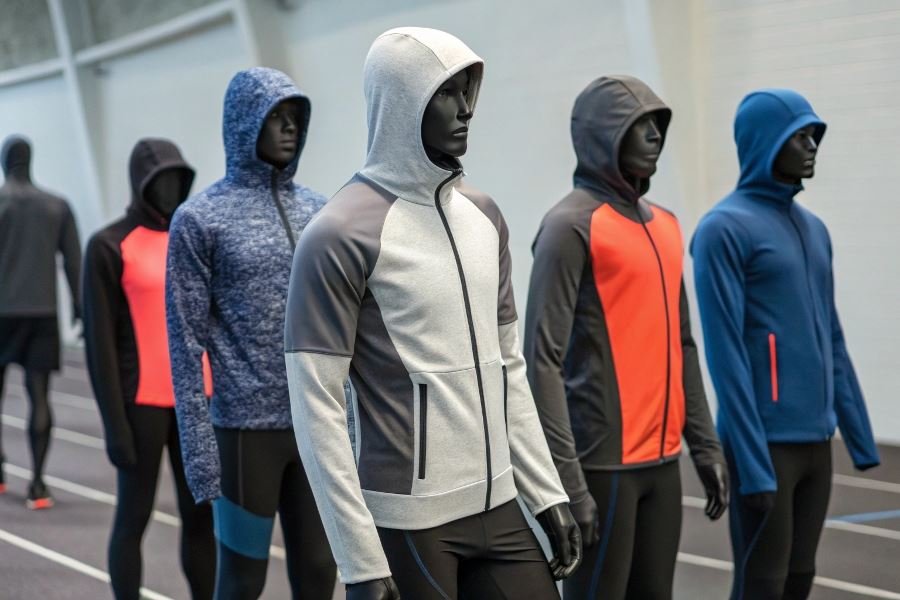
Ever grabbed your favorite hoodie on a sweltering July afternoon only to find yourself swimming in sweat minutes later? Or shivered through December in a paper-thin pullover that might as well have been made of tissue? The right hoodie for the right season isn’t just about fashion—it’s about function.
When we talk about winter versus summer hoodies, we’re really discussing two entirely different garments that happen to share the same name. The fabric weight, construction techniques, and design features that make a winter hoodie perfect for snowfall make it completely impractical for summer heat. Likewise, the breathable, lightweight qualities that make summer hoodies refreshing in August would leave you freezing in February.
The seasonal difference isn’t just marketing hype—it’s science. Winter hoodies typically feature thermal insulation, wind-resistant properties, and moisture-wicking technology to keep you warm and dry. Their summer counterparts prioritize breathability, UV protection, and quick-drying fabrics that help regulate body temperature during activity.
“The difference between appropriate seasonal wear and inappropriate choices can impact not just comfort, but performance and even health,” notes the American Council on Exercise.
The functionality built into seasonal hoodies reflects our changing needs throughout the year. From hood design to pocket placement, zipper quality to fabric blend—every element serves a purpose dictated by the challenges of the season it’s designed to conquer.
Material Magic: The Science Behind Seasonal Hoodies
When it comes to athletic wear that transitions between seasons, understanding the fabric fundamentals can transform your comfort level during both winter workouts and summer training sessions. The perfect hoodie isn’t just about style—it’s about performance engineering that responds to your body’s needs in changing temperatures.
Selecting the right hoodie for different seasons involves careful consideration of materials, construction techniques, and design elements that enhance functionality. Winter vs summer hoodies: features of choice by season isn’t just marketing talk—it’s about real performance differences that can impact your training effectiveness and recovery. Let’s break down what makes each seasonal variant special and how to choose wisely.
Winter Warriors: Thermal Fabrics That Fight the Freeze
Winter hoodies demand materials that trap heat while managing moisture—a delicate balance that separates good gear from great gear.
Fleece-lined options provide exceptional insulation through tiny air pockets that capture body heat. Premium fleece hoodies offer warmth-to-weight ratios that outperform traditional cotton by nearly 200%.
Heavyweight cotton blends (typically 350-400 GSM) deliver durability with natural insulation properties, though they can become problematic when wet during intense training sessions.
The wool revolution in athletic wear has introduced merino-blend hoodies that regulate temperature even when damp—maintaining up to 80% of their insulating properties compared to synthetic materials’ 30%.
Thermal fabrics incorporating hollow-core polyester fibers create microscopic heat traps while maintaining breathability—essential for high-intensity winter training where overheating remains a concern.
Summer Selections: Lightweight Performance Fabrics
Summer hoodies serve a different purpose—protecting from sun and light wind while preventing overheating.
Lightweight cotton (130-200 GSM) provides natural breathability but modern performance hoodies typically incorporate:
- Moisture-wicking technology that pulls sweat away from skin
- UV-protective treatments offering SPF 30-50 equivalent protection
- Anti-microbial properties to prevent odor during multi-day adventures
Engineered mesh panels strategically placed at heat zones (underarms, upper back) create natural ventilation systems that work with your body’s cooling mechanisms.
Design Elements That Make the Seasonal Difference
| Feature | Winter Design | Summer Design |
|---|---|---|
| Hood Construction | Deep, adjustable with high collar | Lightweight, minimal with breathable liner |
| Pocket Placement | Zippered side pockets, interior media pocket | Minimal pockets, often with moisture barriers |
| Closure Types | Full-length heavy-duty zippers with storm flaps | Lightweight zippers or pullover designs |
| Cuff Design | Extended with thumb holes for maximum coverage | Elastic or loose for ventilation |
The hood construction varies dramatically between seasons—winter hoods often feature adjustable drawstrings and extended coverage that can be cinched down during harsh conditions. Summer variants typically offer lighter hoods that provide sun protection without trapping excess heat.
Pocket engineering also reflects seasonal priorities. Winter hoodies feature deeper, secured storage often with moisture-resistant zippers to protect electronics and essentials. Summer designs minimize pocket bulk while maintaining functionality through streamlined constructions.
Closure systems represent perhaps the most visible seasonal adaptation. Winter hoodies employ robust zippers with interior wind flaps, while summer options often utilize lightweight magnetic closures or simplified pullover designs that minimize heat-trapping layers.
By understanding these material and design considerations, you can build a hoodie collection that performs optimally year-round, enhancing both comfort and performance regardless of what the thermometer reads.
Hoodie Selection Mastery for Every Season
When it comes to athletic wear, few pieces offer the versatility of a well-chosen hoodie. But there’s a world of difference between what keeps you comfortable during January trail runs versus July evening workouts. Let’s dive into the science and specifics of selecting the perfect hoodie for any season.
Winter Hoodie Essentials
Winter hoodies aren’t just about looking good in the cold—they’re technical pieces of equipment designed to protect you when the mercury drops. The key factors that separate exceptional winter hoodies from mediocre options:
Insulation rating matters enormously. Look for hoodies with thermal ratings between 200-400g/m² for serious winter protection. The North Face’s Thermoball™ technology, for instance, provides warmth equivalent to 600-fill down even when wet—a game-changer for winter athletes.
Layering compatibility shouldn’t be an afterthought. The best winter hoodies feature:
- Athletic cuts with enough room for a base layer
- Longer back hems to prevent exposure during movement
- Thumbholes to integrate with gloves
- Two-way zippers for ventilation control
Weather resistance separates good winter hoodies from great ones. Look for DWR (Durable Water Repellent) coatings that maintain breathability while shedding snow and light precipitation. Many premium options from Columbia incorporate Omni-Shield™ technology that repels moisture without the stiffness of traditional waterproofing.
Summer Hoodie Selection Criteria
Summer hoodies serve entirely different purposes, focusing on protection and comfort in warm conditions.
Breathability becomes the primary concern when temperatures rise. The gold standard materials include:
| Material | Breathability Rating | Notable Feature |
|---|---|---|
| Airlume Cotton | Excellent | Natural moisture management |
| Polyester Mesh | Superior | Maximum airflow |
| Bamboo Blends | Very Good | Antimicrobial properties |
UV protection isn’t just for sunscreen anymore. Many performance summer hoodies from brands like Under Armour now feature UPF 30-50+ ratings, blocking harmful rays during extended outdoor sessions. This protection remains intact even after multiple washes, unlike chemical sunscreens.
Quick-drying capabilities transform summer workouts. The difference between a hoodie that dries in 15 minutes versus one that stays damp for hours can mean the difference between comfort and chafing. Look for moisture-wicking technologies like Nike’s Dri-FIT that pull sweat away from your body and disperse it across the fabric’s surface for rapid evaporation.
Year-Round Versatility Champions
The holy grail of hoodie selection? Finding options that transition seamlessly between seasons.
Midweight merino wool blends offer perhaps the most impressive year-round performance. These natural-synthetic hybrids regulate temperature remarkably well, warming in winter while breathing in summer. Smartwool produces several options that perform across 40-80°F temperature ranges.
Convertible features extend seasonal range dramatically. Look for:
- Removable hoods
- Zip-off sleeves
- Adjustable ventilation panels
- Packability into integrated pouches
The most versatile hoodies incorporate technical fabrics with varying weights throughout the garment—heavier panels where you need warmth, lighter mesh where you need breathability. This “body mapping” approach creates microclimate zones that adapt to changing conditions.
Remember: the perfect hoodie isn’t just about the season—it’s about understanding your specific activity needs and body temperature tendencies. The best investment might be two specialized options rather than one mediocre compromise.