
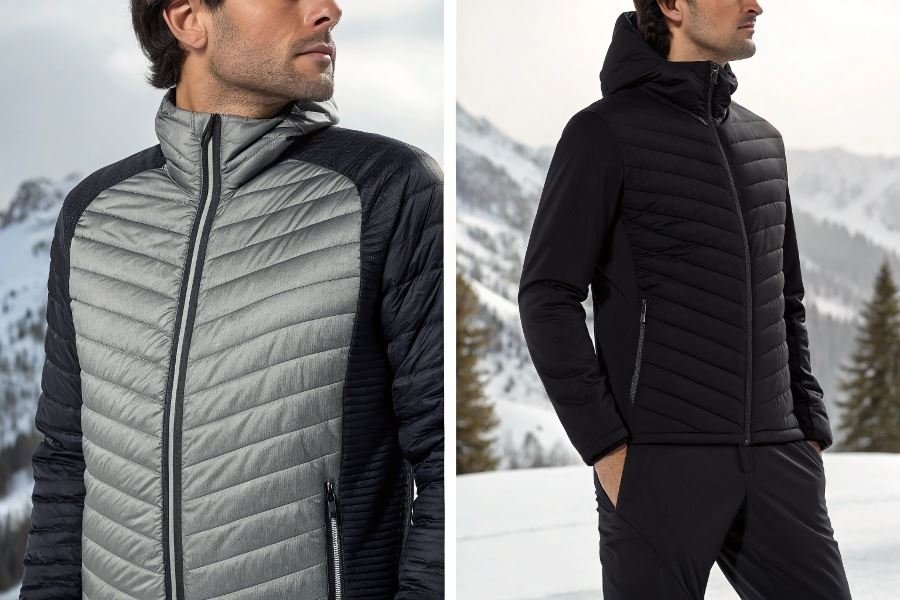
At -20°F on the summit of Mount Washington, your body heat escapes 25 times faster through wet clothing than dry. This isn’t just uncomfortable—it’s potentially life-threatening. The difference between an exhilarating winter adventure and a dangerous situation often comes down to what’s between you and the elements.
The science of winter sports apparel has undergone a remarkable transformation since the days when wool and cotton were the only options. Today’s high-performance fabrics are engineering marvels, designed to manage the complex demands of winter athletics. The right material doesn’t just keep you warm—it actively regulates your body’s microclimate while you’re carving through powder or scaling ice formations.
“Material selection is the foundation of performance. Everything else—fit, features, style—is secondary if the fabric can’t handle the conditions.” – Professional mountaineer Conrad Anker
When selecting winter sports clothing, three critical factors determine which materials will serve you best: the temperature range you’ll encounter, how intensely you’ll be moving, and how the fabric manages moisture. The last point is particularly crucial—sweat management can make or break your experience on the mountain.
The evolution of these materials tells a fascinating story of innovation. From the introduction of synthetic fleece by Malden Mills in 1979 to today’s advanced membrane technologies that can “breathe” differently based on your exertion level, we’ve entered an era where your clothing actively adapts to both your body and the environment.
The Material Battleground: Men’s Winter Sports Performance Fabrics
When temperatures plummet and the powder beckons, your choice of winter sports clothing becomes the difference between exhilarating performance and miserable discomfort. The science behind winter sports apparel has evolved dramatically, with specialized materials engineered for specific conditions and activity levels. Let’s dive into what makes these technical fabrics perform when you need them most.
Understanding what material is better for men’s winter sports clothing requires breaking down the layering system that serious athletes and weekend warriors alike depend on. Each layer serves a distinct purpose in the thermal regulation ecosystem you create around your body, with material selection being the cornerstone of performance.
Base Layer Brilliance: Skin-Level Strategy
The foundation of your winter sports outfit starts with what touches your skin. This critical layer manages moisture and provides the first thermal barrier.
Merino Wool: Nature’s technical fabric delivers exceptional performance:
- Naturally antimicrobial (can be worn multiple days without odor)
- Maintains warmth even when wet (retains 80% of insulating properties)
- Temperature regulating (works in wider temperature ranges)
- Softer and less itchy than traditional wool
The downside? Premium merino base layers from brands like Smartwool and Icebreaker command higher prices and typically dry slower than synthetics.
Synthetic Fabrics: Engineered for performance:
- Polyester and polypropylene dominate this category
- Superior moisture-wicking (draws sweat away 30-40% faster than merino)
- Quick-drying (critical for stop-and-go activities)
- More durable and typically less expensive
| Material | Moisture Management | Odor Resistance | Warmth When Wet | Durability |
|---|---|---|---|---|
| Merino Wool | Good | Excellent | Excellent | Moderate |
| Polyester | Excellent | Poor | Poor | Excellent |
| Polypropylene | Excellent | Poor | Moderate | Excellent |
Mid Layer Magic: Insulation Innovation
The mid layer traps body heat while continuing to manage moisture—your thermal engine room.
Fleece: The versatile standard-bearer:
- Available in various weights (100g, 200g, 300g)
- Excellent warmth-to-weight ratio
- Maintains some insulation when damp
- Polartec remains the gold standard with specialized variations
Down Insulation: Nature’s premium insulator:
- Unmatched warmth-to-weight ratio (800+ fill power options provide incredible warmth)
- Highly compressible for packing
- Requires careful protection from moisture
- Ethically sourced options now widely available
Synthetic Insulation: The reliable performer:
- PrimaLoft and Thinsulate lead innovation
- Maintains 90% of insulating properties when wet
- Less compressible than down but more affordable
- Increasingly mimicking down’s loft and feel
Outer Shell Supremacy: Weather Defense Systems
Your first line of defense against precipitation and wind must balance protection with breathability.
Gore-Tex: The legendary membrane:
- Industry benchmark for waterproof-breathable technology
- Multiple variations for different activity levels
- Guaranteed waterproofing with 28,000mm+ water column rating
- Premium pricing reflects performance reliability
eVent: The breathability specialist:
- Direct venting technology allows faster moisture escape
- Often preferred by high-output athletes
- Slightly less durable than some competitors
- Exceptional air permeability ratings
Proprietary Technologies: Brand-specific innovations:
- The North Face’s FutureLight uses nanospinning for air permeability
- Columbia’s OutDry eliminates face fabric wetting out
- Patagonia’s H2No balances environmental concerns with performance
The ideal material combination depends on your specific activity intensity, weather conditions, and personal thermoregulation. High-output sports like cross-country skiing might favor synthetic base layers and highly breathable shells, while alpine pursuits might benefit from merino bases and more robust waterproofing.
Winning the Winter: Material Mastery for Men’s Sports Gear
Material matchups for winter warriors
When the mercury plummets, your choice of materials becomes the difference between exhilaration and misery on the slopes or ice. Each winter sport demands its own specialized combination of fabrics and insulation to maximize performance.
For alpine skiing, the gold standard remains a three-layer system: a moisture-wicking merino wool base layer, a mid-layer of synthetic fleece or down insulation, and a shell constructed from Gore-Tex or similar waterproof-breathable membrane. This combination delivers the perfect balance of warmth, moisture management, and wind resistance needed for high-speed descents and chairlift rides.
Snowboarding enthusiasts benefit from slightly different material combinations. The more dynamic movements and frequent ground contact call for shells with reinforced nylon panels at impact zones, while maintaining breathability through strategically placed polyester mesh vents. Many top snowboarders opt for synthetic insulation over down, as it maintains warmth even when wet after inevitable spills.
Ice climbing presents perhaps the most demanding material requirements:
“In ice climbing, your clothing system isn’t just about comfort—it’s a critical safety component that prevents hypothermia while allowing the precise movements needed for technical ascents.”
The optimal setup includes ultra-stretchy base layers with high spandex content, mid-layers featuring Polartec Power Grid or similar high-efficiency insulation, and shells made from exceptionally durable, waterproof fabrics like Neoshell or eVent that can withstand contact with ice tools and crampons.
Keeping performance fabrics performing
The advanced materials in winter sports clothing require specific maintenance approaches to preserve their technical properties:
| Material | Cleaning Method | Special Considerations |
|---|---|---|
| Gore-Tex | Gentle machine wash, low heat dry | Periodic DWR reapplication |
| Down | Hand wash or front-loader, tennis balls when drying | Never compress when wet |
| Merino Wool | Cold wash, no fabric softener | Air dry only, away from direct heat |
| Synthetic Insulation | Regular wash, medium heat dry | Can withstand more frequent washing |
Proper storage is equally crucial—hanging technical shells and folding (never compressing) insulated pieces during off-seasons extends their lifespan significantly. Investing in technical wash products from brands like Nikwax pays dividends through preserved waterproofing and breathability.
Premium vs budget: The real cost equation
When analyzing the cost-benefit relationship of winter sports materials, the equation extends far beyond the initial price tag. Premium materials like Gore-Tex Pro, PrimaLoft Gold, and high-fill power down command prices 3-4 times higher than budget alternatives, but deliver performance advantages that can be quantified:
Premium materials deliver:
- 30-40% longer useful lifespan
- Up to 25% better thermal efficiency (requiring less bulk for equivalent warmth)
- Significantly improved breathability, reducing moisture buildup during high-output activities
For weekend warriors hitting the slopes 5-10 days annually, mid-tier materials often represent the sweet spot of value. However, for those logging 20+ days in extreme conditions, the premium materials justify their cost through superior performance and durability—effectively lowering the per-use cost over their extended lifespan.
The smartest approach? Invest strategically in premium materials for your primary activity’s most critical components (shell jacket for skiers, pants for snowboarders, mid-layers for ice climbers) while accepting more budget-friendly options for secondary pieces.