
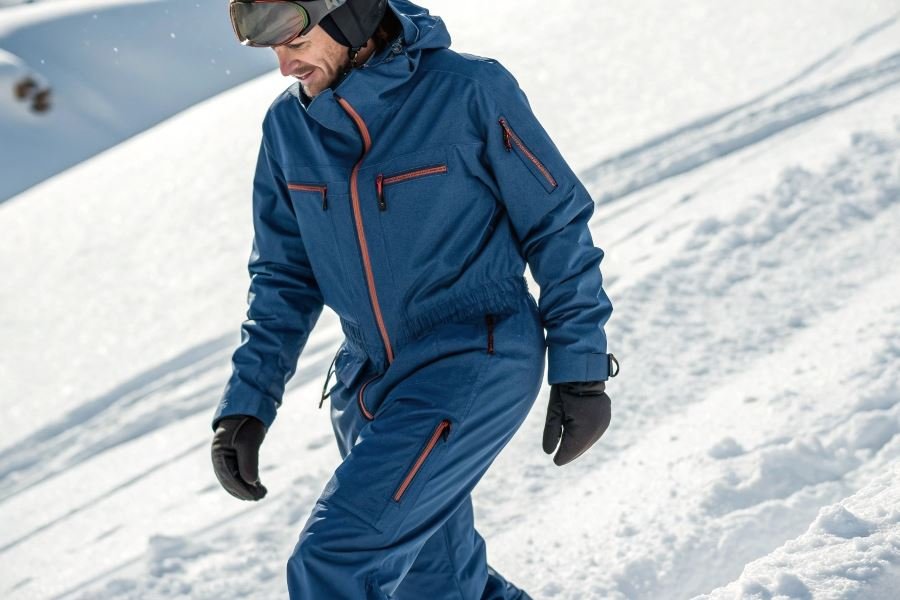
Ever watched an Olympic sprinter explode off the blocks, their jumpsuit fitting like a second skin? That’s not just for looks. The difference between a gold medal and fourth place can come down to fractions of a second—and your athletic wear plays a crucial role in that equation.
Finding your ideal men’s sports jumpsuit size isn’t just about comfort (though that matters enormously). It’s about unlocking your full athletic potential. Too loose, and you’re fighting fabric drag with every movement. Too tight, and restricted blood flow can sabotage your performance before you even begin.
Most athletic wear follows standard sizing (S-M-L-XL), but here’s where things get tricky: these designations vary wildly between manufacturers. A medium from one brand might fit like a small from another. European brands typically run slimmer than American counterparts, while Asian sizes often require sizing up 1-2 sizes from your usual fit.
The most common sizing pitfall? Focusing solely on waist measurements. A proper jumpsuit fit considers your:
- Shoulder width
- Torso length
- Inseam
- Chest circumference
The right jumpsuit should feel snug but never restrictive, especially across shoulders and through the crotch area where movement is critical.
Remember: your perfect size might change based on the activity. Compression-focused jumpsuits for speed sports require a tighter fit than those designed for range-of-motion activities like gymnastics or martial arts.
Get Your Measurements Right for the Perfect Fit
Finding the ideal men’s sports jumpsuit isn’t just about style preferences—it’s about precision. The difference between a performance-enhancing garment and an uncomfortable distraction often comes down to millimeters. Let’s dive into the essential measurements that will transform your jumpsuit shopping experience.
When tackling how to choose the size of a men’s sports jumpsuit, you need to approach it methodically. The right measurements create the foundation for comfort during intense training sessions and competitions. A properly fitted jumpsuit moves with you, not against you.
Master the Core Measurements
Chest measurement: Stand straight with arms relaxed at your sides. Wrap the measuring tape around the fullest part of your chest, keeping it parallel to the floor. Breathe normally—don’t puff out or exhale completely.
Waist measurement: Find your natural waistline (typically the narrowest part of your torso). The tape should be snug but not tight enough to create an indentation in your skin.
Hip measurement: Position the tape around the fullest part of your buttocks. Keep your feet together for accuracy.
The difference between a good fit and a great fit is often just taking the time to measure twice.
Length Matters
The inseam and sleeve measurements determine how your jumpsuit will accommodate your movements:
Inseam: Measure from your crotch to where you want the jumpsuit to end (typically at the ankle). For performance jumpsuits, many athletes prefer a slightly shorter inseam to prevent fabric bunching.
Sleeve length: Measure from the edge of your shoulder to your wrist bone. For sports jumpsuits, consider your activity—cyclists often prefer longer sleeves while runners might want shorter ones.
Navigating Size Charts Like a Pro
Size charts can be confusing, especially when your measurements fall between standard sizes. Here’s how to decode them:
-
Prioritize critical measurements based on your sport. For runners, inseam might be most important; for weightlifters, chest and shoulder measurements take precedence.
-
Consider the fabric’s stretch factor. High-elasticity materials like those used in Nike performance wear allow for a more forgiving fit.
-
When between sizes, consider these factors:
| If You’re Between Sizes | Choose Smaller If | Choose Larger If |
|---|---|---|
| Chest/Shoulders | You prefer compression | You need full range of motion |
| Waist | You want support | You prioritize comfort |
| Inseam | You’re shorter than average | You’re taller than average |
Material composition matters. A jumpsuit with 15-20% elastane will provide more give than one with only 5%. Under Armour and Adidas typically list their stretch percentages in product descriptions.
Remember that different brands have different sizing standards. A medium in Puma might fit differently than a medium in Reebok. Always check brand-specific size charts rather than relying on your “usual” size.
Taking these precise measurements ensures your sports jumpsuit enhances your performance rather than hindering it—because when you’re pushing your limits, the last thing you need is your gear fighting against you.
Sealing the Deal: Mastering Men’s Jumpsuit Sizing
Finding that perfect-fitting sports jumpsuit isn’t just about looking good—it’s about performance, comfort, and confidence in motion. After considering measurements and body types, let’s dive into those final crucial factors that separate a good fit from a great one.
Understanding Fabric Dynamics
The material of your jumpsuit dramatically impacts how it should fit. Different fabrics behave differently during activity:
High-stretch technical fabrics require a more precise fit. These performance materials from brands like Under Armour or Nike typically contain 15-20% elastane and will conform to your body during movement.
A compression jumpsuit should feel snug initially—it’s designed to hug your muscles without restricting blood flow.
Cotton-blend jumpsuits offer less stretch and may require sizing up, especially if you’ll be performing activities with extensive range of motion. Remember:
The more dynamic your movement, the more you should prioritize fabrics with four-way stretch technology that moves in all directions.
For cold-weather training, thermal jumpsuits with fleece lining may feel more restrictive—consider going up a size if layering underneath is part of your plan.
Navigating Brand Size Variations
Brand inconsistency remains one of the biggest challenges in sportswear sizing. Here’s what to watch for:
| Brand | Sizing Tendency | Recommendation |
|---|---|---|
| Adidas | Runs slightly small | Size up 0.5-1 size |
| Nike | True to size with slim cut | Consider width of shoulders |
| Puma | Generally runs large | Size down if between sizes |
| New Balance | Consistent with standard sizing | Follow size chart closely |
| Under Armour | Compression-focused | Size up for comfort, stay true for performance |
European brands like ASICS often use different measurement standards than American companies. Their size charts typically run 0.5-1 size smaller than US equivalents.
Pro tip: Many athletic brands have shifted their sizing in recent years to accommodate changing body types. A medium from 2020 may fit differently than a medium today.
Strategic Sizing Decisions
When to size up:
- For high-intensity interval training where maximum mobility is crucial
- If you have a muscular build, especially in the thighs and shoulders
- When the jumpsuit will be worn for extended periods (3+ hours)
- For winter sports requiring additional base layers
When to size down:
- For compression benefits during endurance activities
- If the fabric has significant stretch (20%+ elastane content)
- For speed-focused sports where aerodynamics matter
- When the primary purpose is muscle support rather than comfort
Listen to your body’s feedback during movement. A properly sized jumpsuit should feel like a second skin—present but not restrictive.
The ultimate test? Try performing sport-specific movements in the changing room. Deep squats, arm circles, and trunk rotations will reveal any potential issues before they become problems on the track, field, or court.
Remember that the perfect jumpsuit size balances immediate comfort with performance requirements—sometimes the most comfortable fit initially isn’t the best for your specific athletic needs.