
Ever noticed how the wrong outfit can turn a great workout into a miserable experience? That split-second decision between a tank top and a thermal layer can make or break your training session. It’s not just about looking good—it’s about performing at your peak.
When the mercury drops below freezing or soars into triple digits, your body faces entirely different challenges. The technical fabrics that kept you comfortable during spring runs might leave you shivering or overheated as seasons shift. Research from the American Council on Exercise shows that performance can drop by up to 30% when athletes wear inappropriate seasonal gear—that’s the difference between crushing your personal best and barely finishing.
“The right sports suit isn’t just clothing—it’s equipment that directly impacts your performance, recovery, and injury prevention.”
Weather adaptation isn’t merely about comfort—it’s strategic. Summer requires moisture-wicking fabrics that enhance evaporative cooling, while winter demands insulating layers that trap heat without restricting movement. Spring and fall? That’s where versatility becomes your secret weapon.
Three key factors evolve with each season:
- Fabric technology – From UV-protective materials in summer to thermal-regulating fibers in winter
- Layering requirements – Single-layer simplicity versus strategic multi-layer systems
- Visibility features – Reflective elements become non-negotiable during shorter winter days
The seasonal sports suit puzzle isn’t just about weather—it’s about understanding how your body responds to environmental challenges while maintaining peak athletic performance.
Dress for Success: Mastering Women’s Sports Suits Year-Round
When performance matters, what you wear becomes your competitive edge. The right sportswear doesn’t just complement your workout—it transforms it. Understanding seasonal features of choosing women’s sports suits can make the difference between a personal best and a miserable training session.
Let’s dive into how the perfect sports suit changes with the seasons, offering protection and performance enhancement whether you’re facing scorching heat, unpredictable transitional weather, or freezing conditions. Each season demands specific technical features that work with your body, not against it.
Summer Solutions: Beating the Heat
Summer workouts bring unique challenges: excessive sweating, UV exposure, and the risk of overheating. The best summer sports suits focus on three critical elements:
Breathability becomes your first defense against heat. Look for mesh panels strategically placed in high-heat zones like the underarms, back, and chest. Nike’s Dri-FIT technology and Under Armour’s HeatGear line feature micro-ventilation systems that allow air to circulate while you move.
UV protection isn’t just for sunscreen anymore. Many premium summer sports suits now incorporate UPF (Ultraviolet Protection Factor) ratings of 30-50+, blocking harmful rays during those long outdoor training sessions. Athleta’s PowerVita fabric offers UPF 50+ protection while maintaining flexibility.
Moisture-wicking properties determine how quickly sweat moves away from your skin. The difference between basic cotton (which holds moisture) and advanced polyester blends (which transport it away) can be felt within minutes of high-intensity exercise.
| Feature | Benefit | Look For |
|---|---|---|
| Mesh panels | Enhanced airflow | Strategic placement in high-heat zones |
| UPF 30-50+ | Sun protection | Labeled UV protection factor |
| Moisture-wicking fabric | Prevents chafing | Polyester, nylon, or specialized blends |
Transition Tactics: Fall and Spring Versatility
The shoulder seasons demand adaptability as temperatures fluctuate throughout the day. The key to fall and spring sportswear is mastering the art of layering.
Base layers should be thin but effective, wicking moisture while providing light insulation. Lululemon’s Swiftly Tech collection offers seamless construction that prevents chafing during those longer transition-season workouts.
Mid-layers provide the versatility that defines great transitional sportswear. Look for quarter-zip pullovers or lightweight jackets that can be easily removed and tied around your waist when temperatures rise.
Convertible pieces offer maximum adaptability—pants with zip-off legs that transform into shorts, or jackets with removable sleeves. Columbia Sportswear specializes in these 2-in-1 designs that eliminate the need for multiple outfits.
Winter Warriors: Technology Against the Cold
Winter doesn’t mean retreating indoors. With advanced insulation technology, wind resistance, and thermal regulation, today’s winter sports suits keep you performing at your peak even in freezing conditions.
Insulation innovation has moved far beyond bulky layers. The North Face’s ThermoBall™ technology provides warmth equivalent to down but maintains performance when wet—a critical feature for winter athletes.
Wind resistance becomes crucial as temperatures drop. Look for outer layers with windproof membranes that still allow moisture vapor to escape. The balance between protection and breathability is where premium brands justify their higher price points.
Thermal regulation is about more than just warmth—it’s about maintaining optimal body temperature during activity. Under Armour’s ColdGear Reactor adapts to your activity level, providing insulation during rest periods and breathability during intense efforts.
The best winter sports suits incorporate reflective elements for those shorter daylight hours and articulated design that maintains full range of motion despite the additional layers.
By selecting the right sportswear for each season, you’re not just dressing appropriately—you’re optimizing your performance potential year-round.
Smart Seasonal Strategies for Women’s Sports Attire
Year-round versatility champions
The smartest approach to athletic wear isn’t collecting separate wardrobes for each season—it’s investing in adaptable pieces that transition seamlessly across weather patterns. Layering systems have revolutionized how athletes dress, with moisture-wicking base layers from brands like Under Armour forming the foundation. These technical pieces work overtime, cooling in summer and insulating in winter when paired with appropriate mid-layers.
The most versatile items in any athletic collection include:
- Convertible pants with zip-off legs
- Lightweight, packable windbreakers
- Merino wool blend tops that regulate temperature year-round
- UV-protective gear that doubles as cold-weather base layers
The magic happens at the intersection of functionality and adaptability—where one garment serves multiple seasonal purposes.
Strategic investment in seasonal sportswear
Building a comprehensive sports wardrobe requires thoughtful investment rather than impulsive purchases. The cost-per-wear calculation dramatically favors quality pieces that withstand multiple seasons of intense use.
| Investment Category | Price Range | Longevity | Seasonal Versatility |
|---|---|---|---|
| Premium Technical Layers | $80-150 | 3-5 years | High (all seasons) |
| Specialized Seasonal Items | $120-200 | 2-3 years | Medium (1-2 seasons) |
| Trend-Focused Pieces | $30-70 | 1 year | Low (single season) |
When allocating your sportswear budget, follow the 70/30 principle: 70% toward timeless, technical pieces that work across multiple seasons, and 30% toward specialized seasonal items. This approach ensures you’re never caught unprepared while maximizing your investment.
Consider performance fabrics with extended warranties like those offered by Patagonia, which often represent better long-term value despite higher upfront costs. Their Worn Wear program exemplifies the durability premium that pays dividends over multiple seasons.
Extending the lifespan through proper care
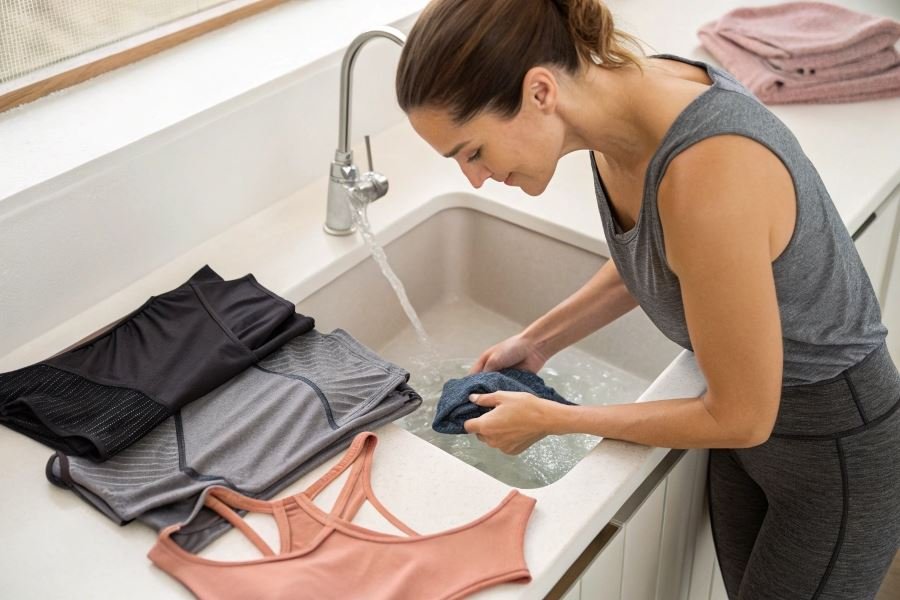
The difference between sports attire that lasts one season versus five often comes down to maintenance practices. Technical fabrics require specific care to maintain their performance properties.
Temperature-specific care protocols:
- Wash cold water only for synthetic performance fabrics
- Avoid fabric softeners which clog moisture-wicking microfibers
- Air dry or use low heat settings to preserve elasticity
- Store compression garments flat rather than folded
The enemies of technical sportswear aren’t intense workouts—they’re improper washing, high heat drying, and harsh detergents.
For seasonal transitions, proper storage becomes crucial. Vacuum-sealed bags protect winter thermal layers during summer months, while cedar elements naturally repel moths and moisture. Before storing seasonal items, ensure they’re completely clean and dry to prevent mildew and permanent staining.
Implement a rotation system for high-wear items like sports bras from Lululemon or running shoes from Brooks to extend their functional lifespan. This systematic approach to sportswear maintenance doesn’t just save money—it ensures optimal performance when you need it most, regardless of season.
By building a thoughtful collection of versatile pieces, investing strategically, and implementing proper care routines, your seasonal sports wardrobe will support your active lifestyle through every weather condition with maximum efficiency and minimum waste.