
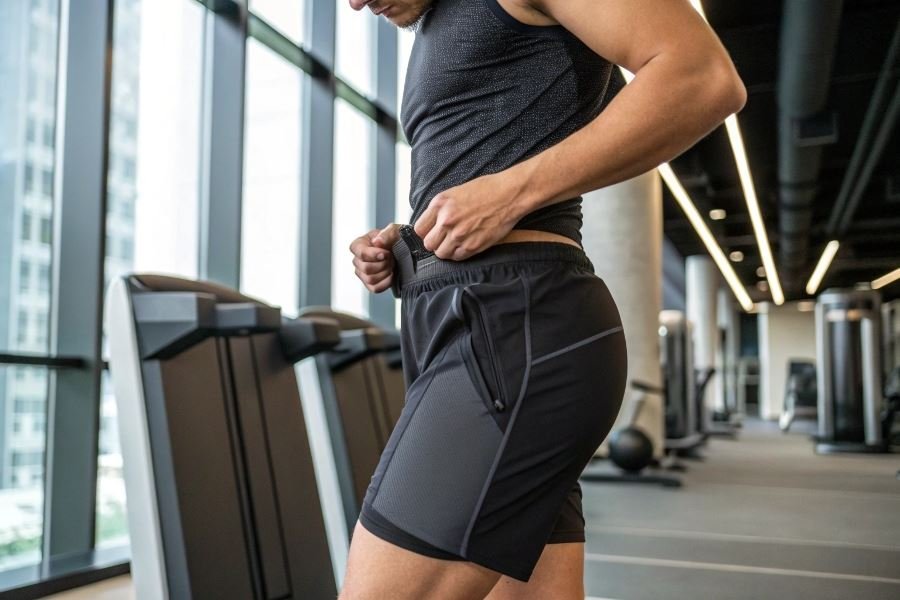
Ever sprinted through the final quarter of a game with shorts that feel like sandpaper against your skin? Or experienced that uncomfortable moment when moisture-logged fabric weighs you down during a crucial play? The material of your sports shorts isn’t just a detail—it’s the difference between personal records and painful distractions.
When elite athletes prepare for competition, they obsess over equipment details most of us overlook. Take Olympic sprinter Allyson Felix, who worked with designers to develop shorts with materials that shaved precious milliseconds off her time in the 2016 Olympics. The right fabric doesn’t just feel good—it performs.
Material selection directly impacts three critical aspects of athletic performance:
- Movement freedom – Rigid fabrics restrict motion, while properly engineered materials flex with your body
- Temperature regulation – Advanced synthetics can cool you down or retain heat depending on your needs
- Moisture management – The difference between feeling refreshed at mile 8 or being weighed down by sweat-soaked fabric
“The material touching your skin for hours during intense activity deserves at least as much consideration as the shoes on your feet.” – Sports physiologist Dr. James Conner
Key evaluation factors
When assessing materials for sports shorts, consider the activity intensity, duration, and environment. A marathon runner in humid Florida needs entirely different fabric properties than a weightlifter in an air-conditioned gym.
The technical revolution in athletic fabrics has transformed what we expect from performance wear. Materials now feature antimicrobial properties, UV protection, and compression elements that support muscles during activity—benefits our athletic predecessors could only dream about.
Performance Materials That Elevate Your Game
When you’re pushing your limits on the track, court, or field, your gear needs to work as hard as you do. The fabric technology in today’s athletic shorts has evolved dramatically, creating options that enhance performance rather than just covering you up. Let’s dive into the materials that are revolutionizing how athletes move.
Synthetic Fabrics: The Performance Powerhouse
Modern athletic shorts have left cotton in the dust. Polyester leads the pack in performance fabrics, offering exceptional durability while weighing next to nothing. What materials are best suited for sports shorts depends largely on your specific activity, but synthetic blends have become the gold standard across nearly all sports. Nike’s Dri-FIT technology, for example, uses microfiber polyester construction that weighs just 3.4 ounces per square yard while maintaining tear resistance that cotton can only dream about.
Nylon brings superior strength to the table—it’s approximately 2.5 times stronger than polyester of the same weight. When blended with spandex (typically in a 85/15 ratio), you get shorts that move with your body through every lunge, sprint, and jump. Under Armour’s HeatGear shorts exemplify this perfect marriage of strength and stretch.
Key synthetic fabric benefits:
- Lightweight construction (typically 3-5 ounces total)
- Quick-drying properties (up to 4x faster than cotton)
- Exceptional durability (withstanding 20,000+ abrasion cycles)
- Color retention even after hundreds of washes
Moisture Management: The Game Changer
The real magic happens in how these fabrics handle sweat. Advanced moisture-wicking technologies don’t just move sweat away—they actively transport it through microscopic channels in the fabric structure.
“The difference between basic and performance fabrics is most noticeable in minute 45 of your workout, when standard materials are saturated but technical fabrics are still keeping you dry.”
Modern moisture-wicking fabrics can move sweat at rates of up to 30% of their weight while maintaining a dry feel against the skin. Adidas AEROREADY technology, for instance, uses a multi-layer construction with hydrophobic inner layers and hydrophilic outer layers to create a moisture gradient that pulls sweat outward.
Breathability complements this moisture management through strategic mesh panels and ventilation zones. These panels can increase airflow by up to 40% compared to solid fabric sections, creating microclimate regulation that prevents overheating.
Compression Materials: The Performance Edge
Compression technology represents the cutting edge in sports apparel engineering. These materials, typically featuring elastane content between 18-22%, apply graduated pressure to muscle groups.
| Compression Level | Elastane % | Performance Benefit |
|---|---|---|
| Light | 12-15% | Enhanced comfort, slight support |
| Medium | 16-20% | Improved blood circulation, muscle stability |
| High | 21-30% | Maximum muscle containment, vibration reduction |
The benefits extend beyond just feeling “held in.” Research shows compression garments can reduce muscle oscillation by up to 50% during high-impact activities, significantly reducing fatigue. 2XU compression shorts, with their PWX (Power Weight Flex) fabric, deliver targeted compression that can improve power output by up to 2.2% and reduce recovery time by helping clear lactic acid more efficiently.
The fabric weight matters too—elite compression shorts typically weigh between 6-8 ounces and feature flatlock seams that reduce friction to less than 0.2 coefficient, virtually eliminating chafing during extended activity.
When performance matters, these advanced materials don’t just cover you—they actively contribute to your athletic potential.
Making the Right Choice for Sports Shorts Materials
When it comes to athletic performance, the material of your sports shorts isn’t just a detail—it’s a game-changer. After exploring the various fabric options and technologies available, let’s bring everything together to help you make the perfect choice for your specific needs.
Sport-specific material selection
Different activities demand different materials. Your choice should align with your sport’s unique demands:
-
Running: Lightweight polyester or nylon blends with 4-way stretch offer the perfect balance of breathability and freedom of movement. Shorts with built-in compression liners made from elastane blends provide additional muscle support during long-distance runs.
-
Basketball/Tennis: Durable polyester with moisture-wicking properties stands up to constant movement and prevents sweat accumulation during intense matches.
-
Yoga/Pilates: Nylon-spandex blends with at least 15% elastane content provide the exceptional stretch and recovery needed for deep poses and controlled movements.
-
Swimming: Nothing beats nylon with spandex for water sports—offering chlorine resistance, quick-drying properties, and a streamlined fit that reduces drag.
-
CrossFit/HIIT: Look for reinforced polyester-spandex blends with abrasion-resistant panels that can withstand rope climbs, floor exercises, and explosive movements.
Balancing the performance equation
Finding the sweet spot between performance, comfort, and durability involves weighing several factors:
| Factor | What to Consider | Best Materials |
|---|---|---|
| Climate | Hot/humid vs. cold/dry | Hot: Lightweight polyester, mesh panels Cold: Thicker polyester, brushed interiors |
| Intensity | High vs. low impact | High: Durable nylon blends, reinforced seams Low: Softer cotton blends, relaxed fit |
| Duration | Short vs. long sessions | Short: Standard moisture-wicking fabrics Long: Advanced anti-chafing materials, flatlock seams |
| Body Type | Different builds need different fits | Athletic build: 4-way stretch materials Larger build: Fabrics with greater recovery properties |
The perfect sports shorts strike a balance between technical performance and real-world wearability.
When making your selection, consider your primary activity but also think about versatility. Many athletes find that investing in sport-specific shorts for their main activity plus a versatile pair for cross-training offers the best combination.
Extending the life of your performance fabrics
Even the highest-quality materials require proper care to maintain their performance properties:
Washing wisdom:
- Wash in cold water to preserve elasticity and moisture-wicking properties
- Skip fabric softeners which can clog the microscopic pores in performance fabrics
- Turn shorts inside-out to protect prints and reduce abrasion
- Use sport-specific detergents like Hex Performance or Nathan Sport-Wash designed for technical fabrics
Storage strategies:
- Allow shorts to fully dry before storing to prevent mildew and odor
- Avoid hanging by the waistband which can stretch elastic components
- Store away from direct sunlight which can degrade UV-protective properties
Rotation recommendations:
- Maintain 3-4 pairs of shorts for your primary activity
- Allow 24 hours between wears of the same shorts to restore full elasticity
- Replace shorts showing signs of permanent odor, loss of elasticity, or pilling
By matching materials to your specific athletic demands, finding the right balance of performance features, and implementing proper care routines, you’ll maximize both the performance benefits and lifespan of your sports shorts. The right material isn’t just about comfort—it’s about giving yourself every possible advantage in your athletic pursuits.