
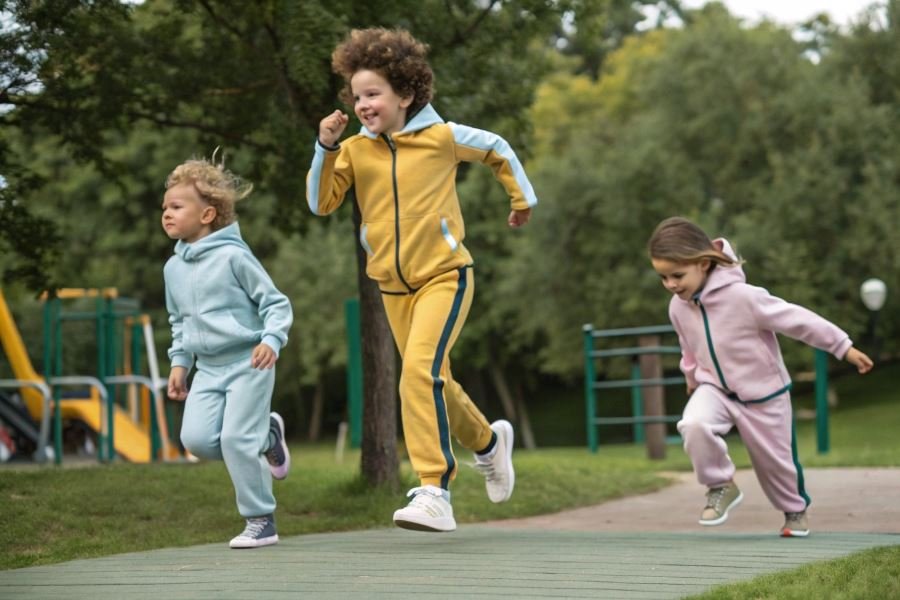
Ever watched your child outgrow a $75 sports jumper in three months flat? Or witnessed a bargain-bin purchase disintegrate after just two practices? You’re not alone in this frustrating cycle.
The price-quality equation for children’s athletic wear isn’t just about saving money—it’s about making smart investments in gear that performs when it matters most. Whether your young athlete is hitting the track, field, or court, their performance gear needs to work as hard as they do without breaking the bank.
The balancing act: Cost vs. quality
The relationship between price and quality isn’t always straightforward. A $20 jumper might seem like a steal until you’re replacing it monthly, while that $90 premium option might deliver value through multiple seasons and siblings. The true cost of athletic wear extends beyond the price tag.
Research shows that mid-range sports jumpers ($35-65) often hit the sweet spot for most families, offering the durability of higher-end materials without the premium branding markup.
What drives the price tag?
Several key factors determine what you’re actually paying for:
- Material technology: Moisture-wicking fabrics cost more but prevent the discomfort of sweat-soaked clothing
- Construction quality: Double-stitched seams and reinforced stress points dramatically extend garment life
- Brand reputation: Sometimes you’re paying for research and development, sometimes just for the logo
- Specialized features: Thumb holes, reflective elements, and temperature regulation add functionality—and cost
Durability expectations across price points
| Price Range | Expected Lifespan | Best For |
|---|---|---|
| $15-25 | 2-3 months of regular use | Rapid growth phases, occasional wear |
| $30-50 | 6-8 months of active wear | Regular sports participation |
| $55+ | 1+ years with proper care | Competitive athletes, extreme conditions |
The most durable options incorporate blended fabrics that resist pilling and stretching, while maintaining their shape through countless wash cycles.
What Makes a Children’s Sports Jumper Worth Every Dollar
When you’re standing in the aisle staring at rows of children’s athletic wear, the price tags can range from bargain bin to “did I read that right?” Understanding the price-quality ratio when choosing children’s sports jumpers becomes essential for making smart investments in your child’s activewear. The difference between a $25 jumper that falls apart after three washes and a $65 one that survives an entire season of playground battles isn’t just marketing—it’s in the details that matter.
Material Magic: Performance Fabrics That Deliver
The foundation of any quality sports jumper starts with its materials. Premium options typically feature:
Technical fabric blends that justify higher price points through superior performance. The gold standard? A mix of 85-90% polyester with 10-15% elastane or spandex provides the perfect balance of durability and stretch.
Moisture-wicking capabilities vary dramatically between price points. Budget jumpers might claim to be “moisture-resistant,” but premium options from brands like Under Armour incorporate advanced HeatGear® technology that actively pulls sweat away from the body.
Temperature regulation features separate the contenders from the pretenders:
| Price Range | Typical Features | Real-World Performance |
|---|---|---|
| $20-35 | Basic polyester blend | Minimal wicking, prone to odor |
| $35-60 | Mid-grade technical fabrics | Good moisture management, moderate durability |
| $60-90+ | Premium blends with antimicrobial treatment | Superior breathability, maintains shape after 50+ washes |
Construction Details Worth Paying For
The stitching tells the story of a jumper’s true value. Premium construction features include:
Flatlock seams that prevent chafing during high-intensity activities—a feature rarely found in budget options but standard in quality brands like Nike and Adidas.
Reinforced stress points at shoulders, elbows, and cuffs dramatically extend a garment’s lifespan. Examine these areas closely—double stitching or extra fabric reinforcement signals quality construction that justifies a higher price tag.
The zipper quality alone can make or break a sports jumper:
- Budget jumpers: Plastic zippers that catch or break after minimal use
- Premium options: YKK zippers with storm flaps and chin guards that prevent skin irritation
Brand Reputation vs. Actual Performance
The logo premium is real—but is it always justified? Not necessarily.
Established athletic brands like Patagonia command higher prices but often deliver with lifetime guarantees and repair programs that make the initial investment more reasonable over time.
Emerging performance brands such as Athleta sometimes offer comparable quality at slightly lower price points as they work to build market share.
The true value equation isn’t just price divided by durability—it’s price divided by (durability + performance + comfort).
Smart shoppers look beyond the label to assess actual construction. Some mid-tier brands like 32 Degrees have dramatically improved their quality since 2020, offering surprisingly robust performance features at accessible price points.
When evaluating children’s sports jumpers, remember that the highest price doesn’t always indicate the best value—but the lowest price almost never does. The sweet spot typically lies in the middle-upper range where quality materials meet thoughtful construction without the excessive brand premium.
Smart Spending on Kids’ Sports Jumpers
Price ranges that make sense for different activities
Let’s cut to the chase—your child’s activity level should dictate your spending. For weekend warriors and casual players, $25-45 jumpers from brands like Target’s All In Motion or Amazon Essentials deliver surprising performance. These budget-friendly options typically last through a season of moderate use.
For school team athletes practicing 3-4 times weekly, the sweet spot falls between $50-85. Brands like Nike and Under Armour offer mid-tier jumpers with enhanced moisture-wicking and durability that withstand frequent washing and regular use.
Competitive athletes training daily? Consider the $90-150 range from performance brands like Adidas or specialized athletic wear from Athleta. The technical fabrics and reinforced construction in these premium options can handle intense training schedules and frequent competitions.
The most expensive option isn’t always the best—it’s about matching quality to your child’s specific needs and usage patterns.
When to splurge versus when to save
Invest more when:
- Your child competes regularly in organized sports
- They’re playing in extreme weather conditions
- The sport involves frequent falls or contact (hockey, soccer, rugby)
- Your child has reached a growth plateau (typically ages 14-16)
Save when:
- The jumper is for casual or occasional use
- Your child is in a rapid growth phase
- The activity doesn’t create excessive wear and tear
- You’re buying for multiple children or multiple sports
Value assessment strategies that pay off
Cost per wear calculation
This simple formula transforms how you evaluate athletic wear:
| Price point | Wears before failure | Cost per wear |
|---|---|---|
| $30 budget | ~25 wears | $1.20 |
| $75 mid-range | ~75 wears | $1.00 |
| $120 premium | ~150+ wears | $0.80 |
The premium option often delivers better long-term value despite the higher upfront cost. Track how long previous purchases lasted to refine your personal cost-per-wear estimates.
Growth-adaptive features
Look for design elements that extend usability:
- Adjustable waistbands and cuffs
- Slightly longer sleeves that work rolled up
- Layering-friendly cuts that work as children grow
- Reinforced knees and elbows that prevent early failure points
Material quality indicators
The fabric blend tells you everything about durability:
- 4-way stretch fabrics with at least 15% elastane maintain shape longer
- Double-knit construction resists tearing at stress points
- Flatlock seams prevent chafing and seam failure
- Anti-pilling treatments maintain appearance through multiple washes
Smart parents know that strategic spending on quality athletic wear isn’t just about performance—it’s about maximizing your investment. By matching the jumper quality to your child’s specific activity level and applying these value assessment strategies, you’ll make purchases that deliver both performance and value throughout their athletic journey.