
Did you know that 68% of youth sports injuries could be prevented with proper equipment and attire? That’s right—what your child wears during practice and competition isn’t just about looking the part; it’s a critical safety component that directly impacts their athletic journey.
When we talk about functional features of children’s sportswear for different types of sports, we’re discussing specialized design elements that serve specific purposes beyond just covering the body. Think moisture-wicking fabrics that keep young soccer players dry during intense matches, or the strategic padding that protects a young hockey player from impacts that would otherwise sideline them for weeks.
Performance meets protection
The right sportswear acts as a second skin, enhancing rather than hindering movement. For gymnasts, this means streamlined, stretchy fabrics that allow for complete range of motion while maintaining modesty. For young basketball players, it means breathable jerseys and shorts with reinforced stitching that withstand constant jumping and lateral movements.
Sport-specific considerations
Different activities demand different features:
- Impact sports (football, hockey): Require integrated padding and shock absorption
- Endurance sports (running, swimming): Need chafing prevention and temperature regulation
- Outdoor sports (skiing, baseball): Demand weather protection and visibility features
The difference between generic activewear and sport-specific gear isn’t just marketing—it’s measurable in performance gains, injury prevention, and ultimately, in your child’s confidence and enjoyment of their chosen activity.
Team Sports Gear: Engineering Victory for Young Athletes
When kids hit the field or court, their sportswear isn’t just clothing—it’s equipment. The specialized functional features of children’s sportswear for different types of sports can make the difference between a game-changing play and a missed opportunity. Let’s dive into what makes team sports gear work for young athletes when victory is on the line.
Ball Sports: Freedom to Move, Built to Perform
Ball sports demand gear that enhances rather than restricts movement. In basketball, jerseys feature moisture-wicking fabrics that pull sweat away from the body, keeping players dry during intense fourth-quarter drives. The loose fit allows for unrestricted arm movement during jump shots, while lightweight shorts with elastic waistbands provide comfort during lateral movements.
For soccer players, compression shorts prevent chafing during 90 minutes of running, while breathable jerseys with mesh panels strategically placed under arms and across the back maximize airflow. Modern Nike youth soccer cleats weigh just 6-8 ounces—nearly 40% lighter than models from a decade ago—reducing fatigue during tournaments.
Baseball uniforms balance tradition with technology. Pants feature reinforced knees and sliding pads to protect young players diving for bases. Moisture-management fabrics in jerseys prevent the heavy, soggy feeling during doubleheaders under summer sun, while fitted caps with sweatbands keep vision clear during crucial fly balls.
Contact Sports: Protection Meets Performance
Contact sports require an entirely different engineering approach. Football gear starts with compression base layers featuring strategic padding at impact zones. Modern youth helmets from Riddell use impact-dispersing technology that reduces concussion risk by up to 54% compared to standard models.
Hockey demands insulation without bulk. Today’s youth jerseys use lightweight synthetic materials that allow full range of motion while withstanding stick checks. Pants incorporate flexible padding that hardens on impact—remaining comfortable during skating but rigid when blocking a slap shot.
For rugby players, jerseys feature virtually impossible-to-grab designs with tight fits and slippery fabrics. Reinforced stitching at collar and shoulder seams prevents tearing during tackles, while anti-microbial treatments fight odor-causing bacteria after muddy matches.
Material Technologies: The Science of Durability
The revolution in youth sportswear comes from advanced materials that enhance both performance and longevity. Here’s how modern fabrics are changing the game:
| Technology | Benefit | Application |
|---|---|---|
| Ripstop nylon | 3x tear resistance | Soccer shorts, baseball pants |
| HeatGear® | Cooling in 90°+ temperatures | Base layers for all sports |
| Cordura® | Abrasion resistance | Knee areas, football pants |
| Antimicrobial treatments | Odor prevention | Hockey padding, compression gear |
| Elastane blends | 4-way stretch | Basketball jerseys, rugby shorts |
Under Armour’s youth compression shirts incorporate silver-infused threads that reduce bacterial growth by 99.9% even after 50 washes. Meanwhile, Adidas has pioneered recycled ocean plastic materials in youth soccer jerseys that maintain performance while reducing environmental impact.
The durability factor can’t be overstated—youth gear must withstand not just game conditions but also impromptu backyard practices, washing machine cycles, and being stuffed into gym bags. Modern reinforced stitching techniques create seams that withstand 40% more tension than standard methods, extending garment life through multiple seasons.
When selecting team sports gear for young athletes, these functional features translate directly to confidence, comfort, and ultimately, performance when it matters most.
Game-Changing Gear: Specialized Features in Children’s Sportswear
When kids hit the field, pool, or mat, their sportswear needs to work as hard as they do. The evolution of children’s athletic apparel has transformed from simple gym uniforms to high-performance gear engineered for specific sports demands. Let’s dive into the technical innovations that are revolutionizing how young athletes train and compete.
Endurance Sports: Built for the Long Haul
Children’s sportswear for endurance activities like running, swimming, and cycling prioritizes moisture management and temperature regulation—critical factors when little bodies are working continuously.
For young runners, the latest compression technology offers targeted muscle support while reducing fatigue. Nike’s Dri-FIT kids’ running shorts incorporate sweat-wicking fabrics that pull moisture away from skin 40% faster than standard cotton. These materials prevent the chafing that can turn an enjoyable run into a painful experience.
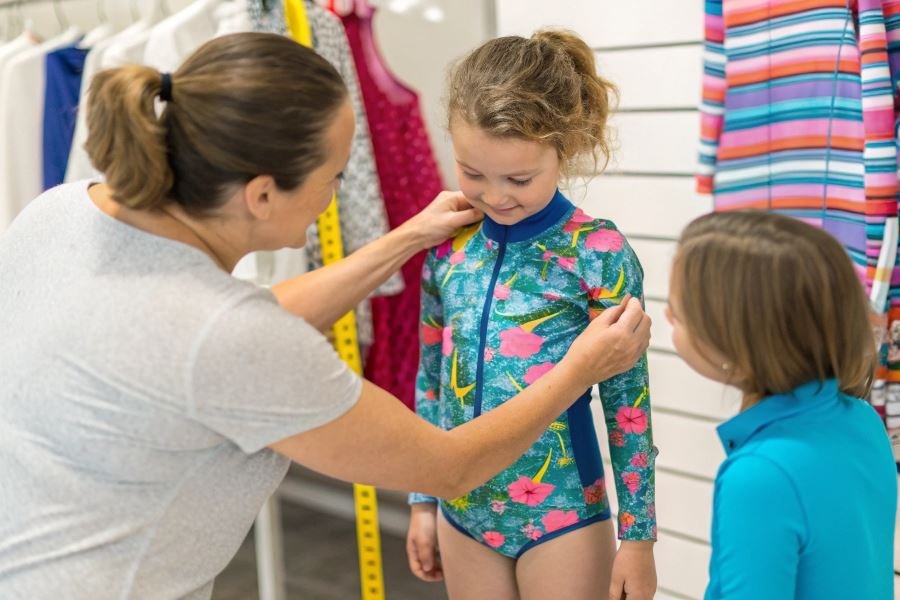
Swimming demands entirely different functionality. Modern children’s swimwear from brands like Speedo features chlorine-resistant fabrics that maintain elasticity up to 10 times longer than traditional materials. The hydrodynamic designs reduce drag by up to 15%, allowing young swimmers to glide through water with less resistance.
For cycling enthusiasts, padded shorts with strategic cushioning protect sensitive pressure points during long rides. Breathable mesh panels create ventilation zones that prevent overheating, while reflective elements enhance visibility during early morning or evening rides.
Technical Sports: Precision in Motion
Technical sports require gear that enables precise movement while providing appropriate support and protection.
Gymnastics and dance demand form-fitting attire that allows coaches to observe body mechanics while providing necessary coverage. The latest leotards incorporate four-way stretch fabrics with compression zones that support developing muscles during complex movements. Seamless construction eliminates distracting friction points that could break concentration during routines.
Martial arts gear balances tradition with innovation. Modern Adidas dobok (taekwondo uniforms) and gis (judo/karate uniforms) feature moisture-wicking properties while maintaining the traditional appearance. Reinforced stitching at stress points increases durability by up to 30%, withstanding the rigors of throws and falls.
“The right technical sportswear doesn’t just protect young athletes—it empowers them to focus entirely on skill development rather than equipment discomfort.”
Seasonal Adaptations: Weather-Ready Performance
Children’s seasonal sportswear has evolved dramatically with adaptive technologies that respond to environmental conditions.
| Season | Key Technology | Benefit |
|---|---|---|
| Summer | UPF 50+ fabrics | Blocks 98% of harmful UV rays |
| Winter | Thermal mapping | Targets insulation where needed most |
| Spring/Fall | Convertible designs | Adapts to temperature fluctuations |
Winter sports gear now incorporates thermal-reflective technology that returns body heat to the wearer while allowing excess moisture to escape. Columbia’s Omni-Heat technology in children’s sizes provides 20% more warmth than standard insulation while maintaining breathability.
For unpredictable weather, layering systems with quick-release zippers allow young athletes to adjust their thermal regulation without interrupting activity. Waterproof ratings of 10,000mm or higher ensure protection during unexpected downpours, while breathability ratings of 10,000g/m²/24hrs prevent internal moisture buildup.
The most innovative development may be adaptive fabrics that physically transform based on activity level. These “smart textiles” open microscopic vents when body temperature rises and close when cooling is needed—perfect for children who transition between intense activity and rest periods.
By matching sportswear functionality to specific activity demands, parents can provide young athletes with gear that enhances performance while prioritizing safety and comfort.