
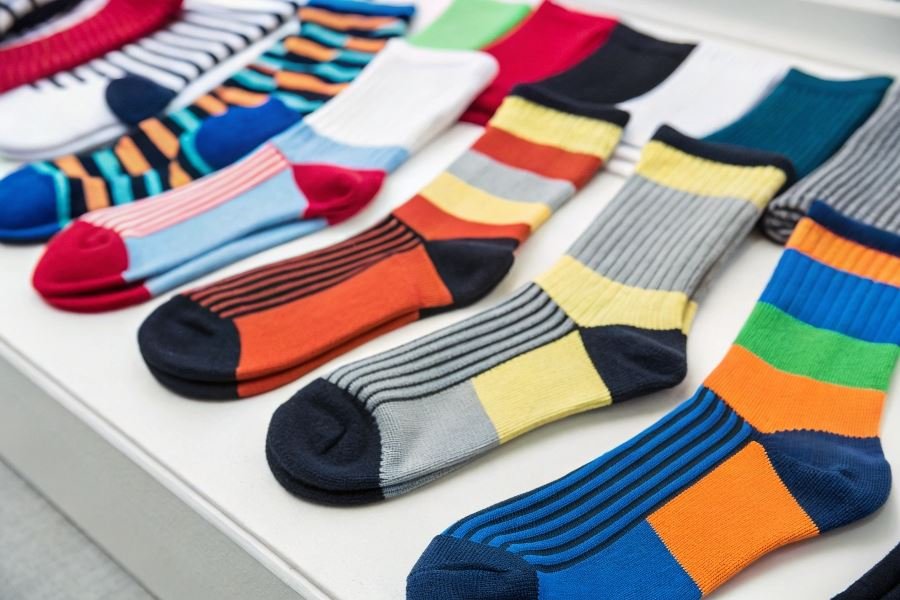
Ever watched a young athlete constantly adjusting their socks mid-game or complaining about blisters after practice? Those seemingly minor sock issues can be the difference between a child who thrives in sports and one who dreads every practice. The right pair of sports socks isn’t just about comfort—it’s about unlocking your child’s athletic potential.
The hidden performance enhancer in your kid’s gym bag
When we meticulously research the perfect cleats or running shoes for our young athletes, we often overlook what goes inside them. Yet sports-specific socks are crucial for proper moisture management, blister prevention, and foot stability. Studies show that appropriate athletic socks can reduce foot temperature by up to 2-3 degrees during intense activity—a game-changer for growing feet that already produce more sweat per square inch than adult feet.
When bad socks happen to good athletes
The consequences of ill-fitting or poorly designed sports socks go beyond momentary discomfort:
- Blisters and hotspots: Cotton socks trap moisture, creating the perfect environment for painful blisters
- Reduced performance: Constant sock adjustments break concentration and rhythm
- Foot development issues: Inadequate cushioning and support can contribute to developmental foot problems
- Increased injury risk: Slippage inside shoes can lead to ankle rolls and falls
The anatomy of excellence: What makes a great kids’ sports sock
The ideal children’s sports sock combines several critical elements:
- Moisture-wicking materials that pull sweat away from the skin
- Strategic cushioning in high-impact zones
- Seamless toe construction to prevent rubbing and irritation
- Proper arch support that grows with them
- Durability that withstands both athletic intensity and washing machines
Remember: those small tubes of fabric represent one of the most cost-effective performance upgrades you can give your young athlete.
The Ultimate Guide to Children’s Sports Socks
Little feet deserve big attention, especially when they’re sprinting down soccer fields, bouncing on basketball courts, or hiking rugged trails. The humble sports sock—often overlooked in the equipment lineup—can make or break your child’s athletic experience.
When tackling how to choose sports socks for children, parents often focus exclusively on shoes while treating socks as an afterthought. This oversight can lead to blisters, discomfort, and even performance issues that might discourage kids from staying active. The right pair of sports socks works like mission control for those growing feet—regulating temperature, managing moisture, and providing crucial support where it’s needed most.
Material Matters More Than You Think
The fabric of your child’s sports socks isn’t just about comfort—it’s about function. Today’s performance materials have come light-years from the cotton tubes of yesteryear:
- Synthetic blends (polyester, nylon, spandex): These moisture-wicking champions pull sweat away from the skin, preventing the soggy sock syndrome that leads to blisters.
- Merino wool: Nature’s performance fabric regulates temperature in both hot and cold conditions while fighting odor naturally.
- Cotton blends: While pure cotton retains moisture (making it a poor choice for intense activities), cotton-synthetic blends offer comfort with improved drying capabilities.
The best materials combine durability at stress points with breathability throughout, creating a microclimate that keeps young feet dry and comfortable.
Finding the Perfect Fit
Sock sizing isn’t one-size-fits-all, especially for growing children:
| Age Range | Typical Sock Size | Growth Allowance |
|---|---|---|
| 2-4 years | XXS (6-8) | Minimal stretch |
| 5-7 years | XS (9-11) | 0.5″ recommended |
| 8-11 years | S (12-2) | 0.5-1″ recommended |
| 12+ years | M (3-5) | Follow adult sizing |
The ideal sports sock should:
- Hug the foot without constriction
- Stay in place during activity without sliding down
- Provide room for growth without excessive bunching
Remember that different brands size differently—Nike socks typically run smaller than Under Armour socks of the same labeled size.
Sport-Specific Features That Make a Difference
Not all sports demand the same sock architecture. The specialized features below can dramatically improve your child’s performance and comfort:
For high-impact sports (basketball, tennis, track):
- Extra cushioning in the heel and ball of foot
- Reinforced toe seams to prevent holes
- Mid-calf or crew length for ankle protection
For endurance activities (soccer, cross-country):
- Targeted arch compression for support during long periods
- Mesh ventilation zones for maximum breathability
- Anatomical left/right design for blister prevention
For winter sports:
- Thermal materials with moisture management
- Extended cuffs to prevent snow entry
- Padded shin areas for equipment protection
The difference between generic tube socks and sport-specific designs isn’t marketing hype—it’s engineering that responds to the unique demands each activity places on developing feet.
When you invest in proper sports socks for your young athlete, you’re not just buying fabric—you’re purchasing comfort, confidence, and the foundation for a lifetime of active pursuits. Your child’s feet will thank you with every step, jump, and sprint.
Extending the Life of Your Child’s Sports Socks
Let’s face it—kids are sock destroyers. They sprint, slide, and sweat through pairs faster than you can say “laundry day.” But with the right maintenance strategy and replacement timing, you can maximize both performance and value from your investment in quality sports socks.
Sock maintenance that actually works
The lifespan of children’s sports socks depends largely on how you care for them. Here’s how to keep those performance fibers functioning at their peak:
Turn them inside out before washing. This simple step allows detergent to directly target sweat, bacteria, and skin cells that accumulate inside the sock during activity.
Never use fabric softener on technical socks. Softeners coat performance fibers, reducing their moisture-wicking capabilities and breathability. Instead, use a gentle detergent designed for athletic wear.
Wash in cold water on gentle cycle. Hot water breaks down elastic fibers and specialized materials faster. Cold water preserves compression properties and prevents premature stretching.
Air dry whenever possible. High heat from dryers is the number one killer of sports socks. If you must machine dry, use the lowest heat setting and remove promptly.
The best sock maintenance happens before they even get dirty—teach kids to remove socks by the top rather than pulling from the toe, which stresses seams and fibers.
For antimicrobial and odor-resistant properties, a vinegar soak (one cup white vinegar in cold water) every few washes can refresh fibers without damaging them.
When replacement becomes necessary
Even with perfect care, sports socks don’t last forever. Watch for these telltale signs it’s time for new pairs:
| Warning Sign | What It Means | Impact on Performance |
|---|---|---|
| Thinning fabric in heel/toe | Cushioning breakdown | Reduced impact protection |
| Stretched cuffs | Elastic failure | Poor fit and blister risk |
| Permanent odor | Bacterial buildup | Hygiene concerns |
| Visible holes | Structural failure | Immediate blister risk |
| Compression feels looser | Material fatigue | Reduced support |
Most quality children’s sports socks should last 3-6 months with regular use (2-3 times weekly). For competitive athletes training daily, expect to replace socks every 2-3 months.
Pro tip: Rotate multiple pairs rather than using the same socks repeatedly. This extends lifespan by giving fibers time to fully recover their shape and elasticity between uses.
Your child’s sports sock selection checklist
Finding the perfect sports socks means matching features to your child’s specific needs:
✓ Activity-specific design: Basketball socks need different cushioning zones than soccer socks
✓ Proper sizing: Too large creates blisters; too small restricts circulation and growth
✓ Material composition: Consider climate, sweat level, and skin sensitivity
✓ Cushioning level: Match to impact intensity of the sport
✓ Seasonal appropriateness: Thinner for summer, thermal options for winter sports
✓ Durability features: Reinforced heels and toes for high-wear activities
✓ Comfort priorities: Seamless toes for sensitive feet, arch support for flat feet
The right sports socks aren’t just an accessory—they’re essential equipment that protects growing feet, enhances performance, and prevents injuries. By maintaining them properly and replacing them at appropriate intervals, you’re investing in your child’s comfort and athletic development with every step they take.