
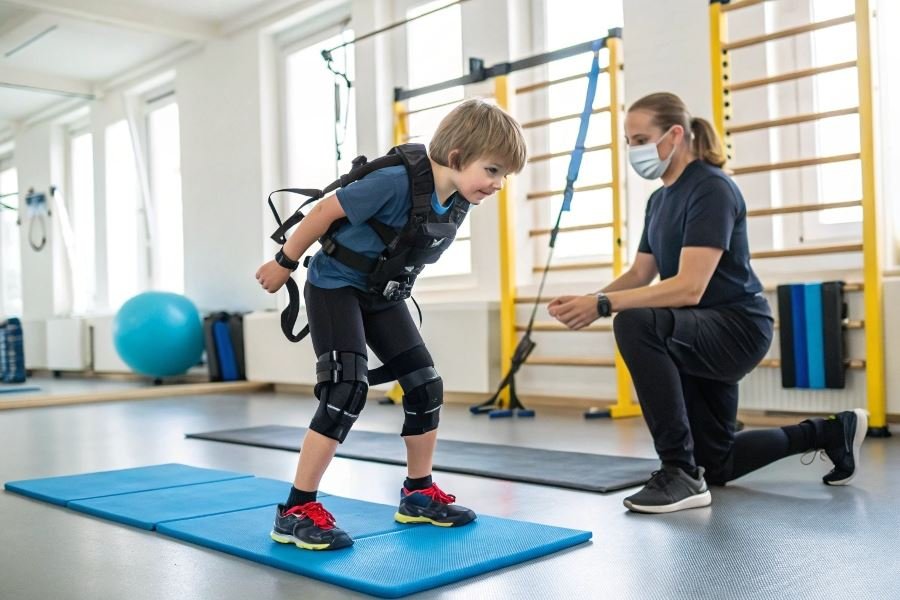
Ever watched a young athlete struggle in uncomfortable gear? That discomfort isn’t just annoying—it’s actively holding them back. The right fabric can be the difference between a child who dreads practice and one who can’t wait to get back on the field.
When we talk about children’s sportswear materials, we’re really discussing the foundation of their athletic experience. Today’s performance fabrics aren’t just smaller versions of adult gear; they’re specialized tools designed for growing bodies with unique needs. The material against your child’s skin directly impacts how they move, how long they can play, and ultimately, how they develop as athletes.
Performance isn’t just about skill—it’s about removing barriers. A child wearing moisture-wicking polyester can focus on perfecting their technique rather than being distracted by sweat-soaked clothing. Meanwhile, the young soccer player in breathable mesh can maintain energy levels longer than teammates overheating in heavy cotton.
Three critical factors should guide your material choices:
- Activity intensity – Higher exertion demands more technical fabrics
- Environmental conditions – Indoor vs. outdoor, temperature extremes
- Duration of wear – Practice sessions vs. all-day tournaments
The science behind children’s sportswear has evolved dramatically. Materials now serve multiple functions simultaneously—cotton blends provide comfort while synthetic fibers deliver durability. Specialized fabrics can even offer UV protection for outdoor sports or antimicrobial properties to combat the inevitable kid-generated odors.
Remember: the best material isn’t necessarily the most expensive—it’s the one that lets your child focus on the joy of movement rather than the distraction of discomfort.
Fabric Matters: Choosing the Right Materials for Kids’ Athletic Wear
When it comes to keeping active kids comfortable and performing at their best, the fabric of their sportswear makes all the difference. The most popular materials for children’s sportswear: what is better to choose depends largely on the activity level, sport type, and even the season. Let’s dive into the three material champions that dominate the youth athletics scene and help you make informed decisions for your young athletes.
Cotton: The Natural Comfort Champion
Cotton remains a perennial favorite for a reason. This natural fiber breathes exceptionally well, making it perfect for low-intensity activities where comfort is the priority.
Benefits:
- Hypoallergenic properties ideal for sensitive skin
- Excellent breathability in moderate temperatures
- Soft texture that prevents chafing and irritation
- Biodegradable and environmentally friendly
However, cotton isn’t without its drawbacks. Once wet, it stays wet—sometimes increasing weight by up to 7% when saturated. This moisture retention can lead to discomfort and even hypothermia in cold weather conditions.
Best uses: Gymnastics, yoga, dance, casual play, and indoor sports where intense sweating is minimal.
Synthetic Fabrics: Performance Powerhouses
Polyester and nylon have revolutionized athletic wear with their technical properties that natural fibers simply can’t match.
Moisture-wicking magic: Unlike cotton, synthetic fabrics transport sweat away from the skin to the outer surface where it can evaporate quickly. This keeps young athletes dry even during high-intensity training.
Durability factors: These fabrics can withstand:
- 3-4 times more wash cycles than cotton before showing wear
- Repeated stretching without losing shape
- Rough playground surfaces and sports-related abrasion
“Synthetic fabrics maintain their structural integrity even after hundreds of washes, making them cost-effective options for rapidly growing children,” notes the American Academy of Pediatrics.
| Synthetic Fabric | Best For | Notable Feature |
|---|---|---|
| Polyester | Team sports, running | Lightweight, quick-drying |
| Nylon | Cycling, swimming | Superior stretch, water-resistant |
| Spandex | Gymnastics, dance | Maximum flexibility, compression |
Best uses: High-intensity sports, outdoor activities in variable weather, and situations where sweat management is crucial.
Performance Blends: The Best of Both Worlds
The true innovation in children’s sportswear comes from strategic combinations of materials that optimize both comfort and functionality.
Cotton-polyester blends (typically 60/40 or 50/50 ratios) deliver the soft feel kids love with significantly improved moisture management. These blends dry up to 40% faster than pure cotton while maintaining a natural feel against the skin.
Polyester-spandex combinations create the perfect balance of structure and stretch, allowing for:
- Full range of motion during complex movements
- Shape retention after repeated stretching
- Compression benefits for muscle support
Tri-blends incorporating rayon add an ultra-soft texture while maintaining technical performance, making them ideal for children who resist wearing “scratchy” athletic clothes.
The beauty of performance blends is their versatility across different sports. A poly-cotton blend with 5% spandex works wonderfully for everything from soccer practice to playground adventures, adapting to various activity levels throughout a busy day.
When selecting the optimal material for your child’s athletic pursuits, consider both the technical demands of their sport and their personal comfort preferences. The right fabric choice can make the difference between a child who can’t wait for practice and one who dreads getting dressed for it.
Making the Right Choice for Young Athletes
When it comes to children’s sportswear, material selection isn’t just about comfort—it’s about performance, safety, and durability. The right fabric can make the difference between a child who’s excited to participate and one who’s distracted by uncomfortable clothing. Let’s dive into the science and practicality behind choosing materials that work as hard as your young athletes do.
Age-Appropriate Fabrics That Perform
Younger children (ages 4-8) need materials that prioritize movement and comfort. Their developing motor skills demand fabrics that won’t restrict motion:
- Cotton blends (60% cotton/40% polyester) offer breathability with improved durability
- Microfiber polyester provides lightweight comfort without the bulk
- Fleece delivers warmth without weight for cooler conditions
For pre-teens (9-12), durability becomes increasingly important as activity intensity increases:
- Nylon-spandex blends offer excellent stretch recovery for growing bodies
- Moisture-wicking polyester helps manage increased perspiration
- Ripstop fabrics stand up to playground abrasion and active wear
Teenagers require performance materials that mirror adult sportswear but with considerations for still-developing bodies:
| Age Group | Primary Needs | Recommended Materials |
|---|---|---|
| 4-8 years | Comfort, ease of movement | Cotton blends, microfiber |
| 9-12 years | Durability, moisture management | Nylon-spandex, polyester |
| 13-17 years | Performance, specialized function | Technical synthetics, compression fabrics |
Sport-Specific Material Selection
Different activities demand different fabric properties:
High-intensity sports (soccer, basketball, track) require fabrics that excel at:
- Moisture management (polyester with advanced wicking technology)
- Ventilation (mesh panels in strategic locations)
- Lightweight construction (microfiber blends under 5oz per square yard)
Outdoor activities benefit from:
- UV-protective fabrics (UPF 30+ minimum for extended exposure)
- Quick-drying materials (nylon/polyester blends that dry 40% faster than cotton)
- Layering capabilities (moisture-wicking base layers, insulating mid-layers)
Contact sports need:
- Abrasion-resistant outer layers (reinforced nylon or polyester)
- Compression elements for muscle support (elastane blends with 15-20% spandex)
- Impact-absorbing padding with moisture-resistant covers
The best sportswear material isn’t necessarily the most expensive—it’s the one that matches your child’s specific activity requirements and comfort preferences.
Maintenance and Longevity Considerations
The reality of children’s sportswear is that it faces extreme conditions. Selecting materials with maintenance in mind saves both time and money:
Easy-care champions include:
- Polyester blends that resist staining and require minimal ironing
- Nylon that maintains shape after multiple washes
- Modern cotton blends with soil-release finishes
Durability factors to consider:
- Reinforced seams with double-stitching extend garment life by up to 40%
- Colorfast dyes that withstand chlorine exposure for swim-related activities
- Anti-pill finishes that maintain appearance through dozens of wash cycles
When evaluating cost-per-wear, premium technical fabrics often outperform budget options by lasting 2-3 times longer while maintaining performance properties.
The ideal children’s sportswear strikes that perfect balance between performance, comfort, and practicality. By matching materials to your child’s age, preferred activities, and your maintenance capacity, you’ll ensure they have the foundation they need to perform their best—without you spending every weekend doing laundry or shopping for replacements.