
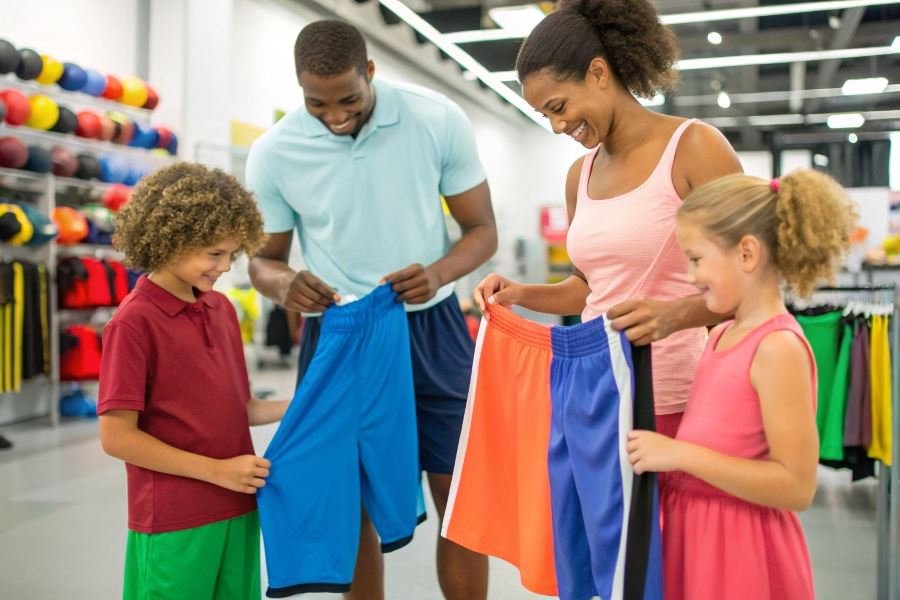
Ever watched a young athlete sprint across the field with newfound confidence, their movements more fluid and powerful than before? The secret might be what they’re wearing underneath their uniform.
Compression shirts—those snug-fitting garments that look like second skin—are revolutionizing youth sports performance. These technical garments use strategic pressure to support muscles and improve blood circulation during activity. Unlike regular athletic wear, compression shirts are engineered with graduated compression zones that target specific muscle groups, providing support exactly where young bodies need it most.
For parents watching from the sidelines, the benefits extend far beyond the “cool factor” that makes kids eager to wear them. Scientific research shows compression wear can reduce muscle oscillation by up to 50%, minimizing fatigue and potentially reducing injury risk. Young athletes report feeling more “connected” to their movements, with improved proprioception—that sixth sense of where your body is in space.
Benefits that matter
- Recovery acceleration: Compression helps flush lactic acid, reducing post-practice soreness
- Temperature regulation: Advanced fabrics wick moisture while maintaining optimal body temperature
- Confidence boost: The psychological edge of feeling “equipped” like the pros
Before you buy
Consider your young athlete’s specific sport demands. Baseball players might benefit from asymmetrical compression designs, while basketball players need full range-of-motion across the shoulders. Fabric quality matters tremendously—look for flatlock seams to prevent chafing on sensitive skin and antimicrobial properties for those inevitable sweaty practices.
Remember: the perfect compression shirt should feel like a firm hug, not a stranglehold. When your athlete puts it on, it should compress without restricting breathing or movement.
Essential Factors for Compression Shirt Selection
The Science of Performance Fabrics
When it comes to athletic performance, what’s against your skin matters just as much as what’s on your feet. Compression shirts have revolutionized how young athletes train and compete, but not all compression wear is created equal. The foundation of any quality compression shirt starts with its material composition. The gold standard typically includes a blend of polyester (80-85%) and elastane (15-20%), creating that perfect balance between compression and flexibility.
Selecting the right compression shirt for a young athlete requires understanding both the technical aspects and practical considerations that impact performance and comfort. The moisture-wicking capability stands as perhaps the most critical feature – look for fabrics with hydrophobic properties that actively push sweat away from the body rather than simply absorbing it. Premium compression shirts from brands like Under Armour and Nike utilize proprietary technologies that can reduce skin temperature by up to 2-3 degrees during intense activity.
Material innovation matters. The difference between standard polyester and advanced technical blends becomes apparent during the third quarter of a basketball game or the final mile of a cross-country meet. Superior compression shirts incorporate antimicrobial treatments that prevent odor-causing bacteria – a feature parents will particularly appreciate after a week of practices.
Finding the Perfect Fit for Growing Bodies
Compression wear should live up to its name – it needs to compress. But finding that sweet spot between supportive compression and restrictive discomfort requires precision, especially for young athletes whose bodies are constantly changing.
| Size Consideration | Why It Matters | Common Mistake |
|---|---|---|
| Length | Prevents riding up during movement | Choosing based on casual shirt size |
| Compression Level | Varies by sport and preference (8-15 mmHg typical) | Going too tight for first-time users |
| Growth Allowance | Accommodates development without losing function | Buying oversized for “room to grow” |
The ideal fit should feel like a second skin – snug everywhere without pinching at joints or restricting breathing. Many youth athletes initially resist the sensation of compression, but proper sizing ensures they’ll experience the performance benefits without discomfort. Have young athletes perform sport-specific movements during fitting: arm raises, trunk rotations, and deep knee bends will reveal any problem areas.
Sport-Specific Performance Engineering
Different sports place unique demands on compression wear. Baseball pitchers need targeted compression around the throwing arm, while football players benefit from padded compression shirts that offer both compression and impact protection.
For endurance sports like track or cross country, prioritize shirts with flatlock seams that eliminate chafing even after thousands of repetitions. Basketball and volleyball players should look for compression shirts with slightly longer torsos to prevent exposure during overhead movements.
Temperature adaptability has become a game-changer in modern compression technology. The latest designs from Eastbay and 2XU feature dual-layer construction that provides insulation during warm-ups while accelerating cooling once activity intensifies.
The compression level itself should align with the sport’s demands – higher compression (12-15 mmHg) for explosive power sports like sprinting and jumping, while moderate compression (8-12 mmHg) often works better for technical sports requiring fine motor control. The right compression shirt doesn’t just perform during competition – it becomes an essential recovery tool, potentially reducing post-exercise muscle soreness by improving circulation and reducing inflammation.
Maximizing Your Investment in Youth Compression Wear
Finding the perfect compression shirt for a young athlete isn’t just about making a purchase—it’s about making an investment in performance, comfort, and confidence. Let’s dive into how to make that investment count for the long haul!
Smart spending for lasting performance
The compression shirt market spans from $15 budget options to premium $75+ technical pieces from brands like Under Armour and Nike. But here’s the reality: the sweet spot typically lies in the $30-45 range, where quality materials meet reasonable durability without breaking the bank.
The cheapest option often becomes the most expensive when you’re replacing it every few months.
When balancing budget against quality, consider these factors:
- Frequency of use: Daily training demands higher quality than occasional wear
- Competition level: Higher-level competition may justify premium features
- Growth rate: Rapidly growing athletes might benefit from mid-range options
A smart approach? Invest in 1-2 premium shirts for competition days and 2-3 mid-range options for regular training. This strategy delivers performance when it matters most while maintaining practicality.
Extending compression shirt lifespan
Proper care dramatically extends the functional life of compression wear. Follow these maintenance practices to protect your investment:
Washing protocol:
- Wash in cold water (60-75°F)
- Use gentle cycle with similar fabrics
- Avoid fabric softeners (they clog moisture-wicking properties)
- Skip the bleach (even on white garments)
Drying best practices:
- Air dry whenever possible
- If machine drying, use low heat
- Remove promptly to prevent wrinkles and fabric stress
| Care Don’ts | Why It Matters |
|---|---|
| Hot water washing | Breaks down elastane fibers |
| High heat drying | Reduces compression effectiveness |
| Ironing | Damages technical fabrics |
| Fabric softeners | Clogs moisture-wicking properties |
Storage wisdom: Fold rather than hang compression shirts to prevent stretching. Store in a cool, dry place away from direct sunlight, which can degrade synthetic fibers over time.
Recognizing replacement time
Even with perfect care, compression shirts have a finite lifespan. Here are the telltale signs it’s time for replacement:
- Visible stretching: When the fabric no longer rebounds to its original shape
- Compression loss: The shirt feels looser than when new
- Pilling or abrasion: Especially in high-friction areas like underarms
- Persistent odor: When technical fabrics can no longer release embedded odors
- Growth spurts: Most young athletes need size reassessment every 6-12 months
For most young athletes, expect to replace compression shirts every 6-9 months with regular use. High-performance athletes training 5+ days weekly may need replacement every 3-4 months.
Pro tip: Keep track of purchase dates and establish a regular assessment schedule—perhaps at season changes—to evaluate compression wear condition.
By balancing quality purchases with proper care and timely replacement, you’ll ensure your young athlete always has the compression support they need to perform their best—without unnecessary expense or performance compromise.