
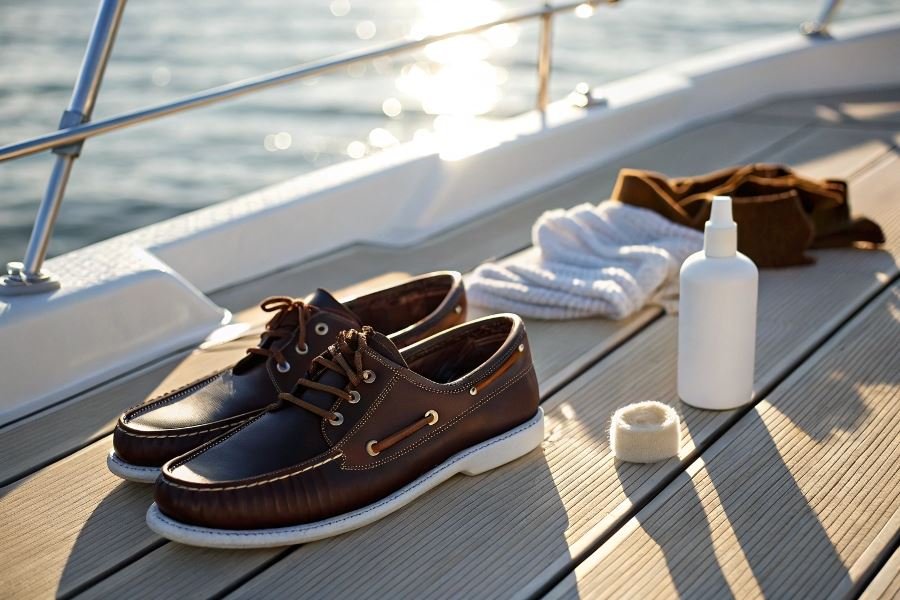
Ever stood on a pitching deck in a squall with water sloshing over the gunwales and thought, “I wish my feet weren’t sliding around like they’re on an ice rink”? That’s the moment when the difference between professional and amateur sailing boots becomes painfully obvious—sometimes literally.
The world of sailing footwear splits dramatically between professional-grade equipment designed for ocean-crossing mariners and weekend warriors’ gear made for occasional bay cruises. This isn’t just marketing—it’s about functionality in an environment where the wrong gear can lead to injury or worse. Professional sailors competing in events like the America’s Cup or the Volvo Ocean Race understand that proper footwear isn’t a luxury—it’s essential safety equipment.
The right boot can mean the difference between maintaining your footing during a critical tack or ending up with a concussion. Water, salt, sun, and constant movement create a uniquely demanding environment for footwear. Professional models typically feature advanced grip patterns developed through extensive testing in actual marine conditions, while amateur boots often utilize more generic tread designs.
Market segmentation in sailing boots follows clear performance lines. At the high end, you’ll find specialized footwear from marine-focused brands like Dubarry and Musto, while the entry-level market includes more general outdoor brands that have adapted their designs for occasional sailing use. The price difference can be substantial—professional models often command $300-500, while amateur options might start around $80.
When choosing between these categories, consider three critical factors: grip performance on wet surfaces, water resistance during prolonged exposure, and comfort during extended wear. Your decision should ultimately reflect your sailing ambitions and the conditions you’ll regularly face.
The Technical Edge: What Separates Elite Sailing Footwear from the Rest
When you’re battling 40-knot winds and waves crashing over the bow, the last thing you want to worry about is your footwear failing. The differences between professional models and amateur ones in sailing boots extend far beyond price tags and fancy logos—they’re engineering marvels designed for specific performance parameters that can make or break your experience on the water.
Material Mastery: The Foundation of Excellence
Professional sailing boots typically feature multi-layer construction with premium materials like high-grade neoprene (3-5mm thickness), vulcanized rubber, and advanced synthetics. The Musto HPX Ocean Boot incorporates Kevlar reinforcements at stress points—the same material used in bulletproof vests! Amateur models generally use single-density rubber or basic neoprene (1-2mm), sacrificing longevity for affordability.
Durability comparison:
- Pro models: 5-7 seasons of intensive use
- Amateur models: 1-2 seasons before significant degradation
Waterproofing That Actually Works
The waterproofing technologies in sailing footwear reveal perhaps the starkest contrast between professional and recreational options.
| Feature | Professional Boots | Amateur Boots |
|---|---|---|
| Seam Construction | Vulcanized rubber seams, heat-welded | Glued seams, stitched |
| Membrane Technology | GORE-TEX® or proprietary breathable membranes | Basic water-resistant coatings |
| Cuff Design | Adjustable neoprene gaiters with silicone seals | Simple elastic or drawstring closures |
| Water Exposure Rating | 8+ hours continuous submersion | 2-3 hours splash resistance |
Professional boots from brands like Zhik employ triple-sealed construction methods that can withstand hours of submersion without leakage, while maintaining breathability that prevents the sauna-like conditions that plague lesser boots.
Grip Systems: When Slipping Isn’t an Option
The difference between staying aboard and going overboard often comes down to traction.
Professional sailing boots feature non-marking outsoles with multi-directional siping patterns—thin slits cut into the rubber that channel water away while maintaining surface contact. The Sperry Sea Racer professional boot incorporates hydrophobic rubber compounds that actually increase grip coefficient when wet.
Amateur models typically offer basic herringbone or wave patterns that provide adequate grip in moderate conditions but fail when:
- Decks become heavily soaked
- Surfaces are contaminated with salt crystals
- Extreme heel angles put pressure on lateral edges
The Weight and Flexibility Equation
Elite sailors understand that every gram matters, especially over a long race. Professional boots typically weigh 15-20% less than their amateur counterparts while providing superior support through:
- Anatomically-designed footbeds with arch support
- Variable-density midsoles that flex precisely where needed
- Reinforced ankle stabilization without restricting movement
This performance-weight ratio is achieved through advanced manufacturing techniques like compression molding and selective reinforcement—technologies that haven’t yet trickled down to recreational models.
Pro-Only Features Worth Their Weight in Gold
The most elite sailing boots incorporate specialized features you simply won’t find in entry-level options:
- Integrated drainage systems that purge water within seconds
- Thermal regulation layers that maintain optimal foot temperature
- Quick-release entry systems for emergency situations
- Customizable insole platforms for personalized biomechanics
- Integrated gaiters with one-hand adjustment mechanisms
These aren’t mere luxuries—they’re essential tools for sailors pushing the limits of performance and safety in challenging conditions.
The technical differences between professional and amateur sailing boots represent a fascinating study in purpose-driven design, where every element serves the dual masters of performance and protection.
Making the Right Investment: Sailing Boots for Every Sea
Match Your Boots to Your Sailing Reality
When it comes to sailing footwear, the difference between professional and amateur options isn’t just about price tags—it’s about performance when you need it most. Professional sailors competing in the America’s Cup demand different features than weekend warriors exploring coastal waters.
Frequency matters enormously. If you’re hitting the water weekly or more, professional boots with reinforced toe caps and ankle support will prevent the repetitive strain injuries that plague frequent sailors. The Musto HPX Gore-Tex boots might seem expensive at $350, but they’re engineered for sailors who log serious hours on deck.
For occasional sailors (5-10 outings per year), mid-range options like the Gill Performance Race Boots provide adequate protection without the specialized features you’d rarely use.
Weather and water conditions should dictate your choice more than anything else. Cold-water sailing demands 5mm neoprene with thermal linings, while warm-weather coastal cruising can be handled with lightweight, quick-drying boots that prioritize grip over insulation.
The True Cost Equation of Sailing Footwear
The price spectrum for sailing boots is vast, ranging from $50 entry-level options to $500+ professional-grade footwear. Here’s how they stack up:
| Price Range | Expected Lifespan | Best For | Key Features |
|---|---|---|---|
| $50-100 | 1-2 seasons | Occasional sailors | Basic grip, minimal support |
| $100-250 | 2-4 seasons | Regular recreational sailors | Enhanced waterproofing, decent support |
| $250-400 | 4-7 seasons | Serious enthusiasts | Full waterproofing, excellent support, specialized soles |
| $400+ | 7+ seasons | Professional racers | Custom fit options, advanced materials, maximum performance |
The hidden value proposition lies in the cost-per-wear calculation. A $300 boot worn 50 times per season for 5 seasons costs just $1.20 per use—less than the coffee you’ll drink while sailing.
Maintenance Requirements and Long-Term Value
Professional boots typically require more maintenance but deliver exponentially longer lifespans. The maintenance difference is significant:
Amateur boots generally need basic rinsing after use and occasional application of protective spray. They’ll deteriorate faster regardless of care.
Professional models benefit from:
- Regular cleaning with specialized marine-grade cleaners
- Periodic reapplication of waterproofing treatments
- Proper drying away from direct heat sources
- Storage with boot trees to maintain shape
This maintenance investment pays dividends. The Dubarry Ultima boots might require more care, but sailors report 10+ years of service—making them substantially more economical than replacing cheaper boots every other season.
Experience-Based Recommendations
For beginners: Start with mid-range options ($100-150) like Helly Hansen Newport boots. They provide enough performance to learn without overwhelming you with features you can’t yet appreciate.
For weekend warriors: The sweet spot is around $200-250 with boots like Zhik ZK SeaBoot 700. They deliver 80% of professional performance at 50% of the cost.
For serious racers: Don’t compromise. The Spinlock Deck Boot at $350+ will outperform cheaper alternatives in ways that directly impact your racing performance.
The difference between amateur and professional sailing boots becomes most apparent not on day one, but on day one hundred—when amateur boots start failing and professional options are just getting broken in.
Remember that your sailing boots are safety equipment first, comfort items second, and fashion statements last. Invest accordingly, and your feet will thank you through countless nautical miles.