
Ever wondered why pro triathletes can transition from swim to bike in seconds flat while you’re still fumbling with your laces? The secret weapon might be right at their feet.
Triathlon cycling shoes represent a fascinating evolution in athletic footwear design. Unlike their road cycling cousins, these specialized shoes are engineered for the unique demands of multisport competition where every second counts. The difference between podium and participation often comes down to those critical transition moments—T1 (swim-to-bike) and T2 (bike-to-run)—where efficiency becomes as crucial as raw power.
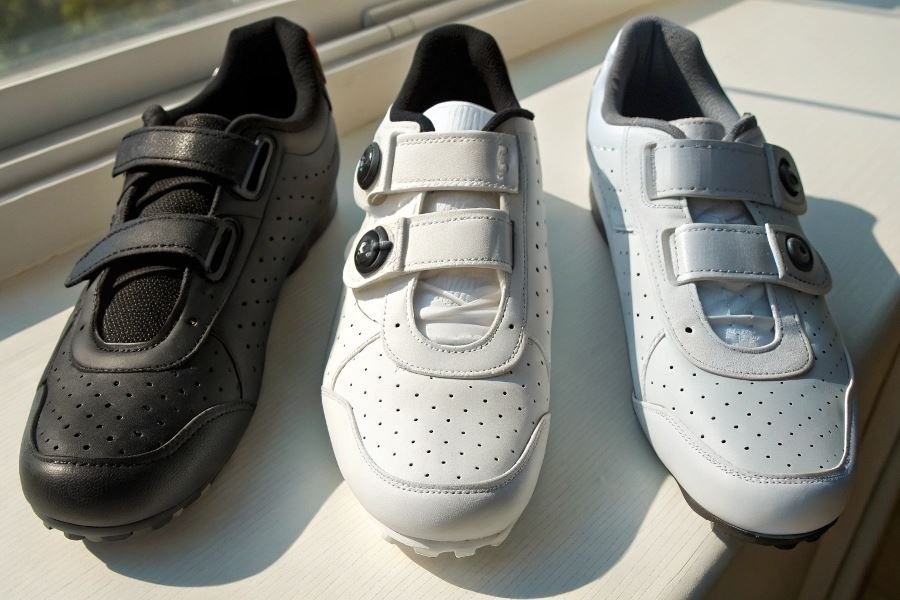
What makes triathlon shoes different? First, look for the oversized heel loops and wide-mouth entry systems that allow lightning-fast foot insertion while still dripping from the swim. Many feature a single large velcro strap rather than multiple closure points, enabling one-handed adjustments while already pedaling. The drainage ports aren’t just a nice-to-have—they’re essential for expelling water and preventing that soggy-foot feeling that can lead to blisters during the run segment.
The internal construction tells another story. Triathlon-specific shoes typically feature:
- Seamless liners designed for sockless wear
- Breathable uppers that dry quickly after T1
- Strategic cushioning that balances power transfer with run-readiness
When selecting your perfect pair, prioritize the holy trinity of triathlon footwear: transition speed, cycling efficiency, and run preparation. The best shoe for you bridges these sometimes competing demands based on your race distance and personal strengths.
Technical Essentials That Make Triathlon Shoes Special
When you’re racing against the clock in a triathlon, every second counts—especially during transitions. The right cycling shoes can be the difference between a personal best and just another finish. Let’s dive into the technical features that make triathlon cycling shoes uniquely suited for multisport athletes.
Triathlon cycling shoes: features of selection go far beyond what casual cyclists might consider. These specialized shoes are engineered specifically for the demands of moving quickly from swim to bike to run, with technical considerations that address the unique challenges triathletes face during competition.
Quick-Entry Systems That Save Precious Seconds
The closure system on triathlon shoes is perhaps their most distinctive feature. Unlike traditional road cycling shoes with multiple straps or dials, tri shoes typically feature:
- Single oversized straps that fold outward for lightning-fast entry
- Reverse closure mechanisms that open away from the drivetrain to prevent chain interference
- Hook-and-loop fasteners that can be adjusted while riding
Shimano TR series shoes exemplify this design philosophy with their extra-wide opening and single-strap system that can be secured with one hand while maintaining momentum.
Ventilation and Drainage: Keeping Feet Dry and Comfortable
Triathletes often mount their bikes with wet feet after the swim segment, making ventilation and drainage critical design elements.
Superior tri shoes incorporate strategic mesh panels and drainage ports that serve dual purposes: removing water and providing cooling during intense efforts.
| Feature | Benefit | Common Implementation |
|---|---|---|
| Mesh panels | Enhanced airflow | Top of foot, sides |
| Drainage holes | Water evacuation | Sole, heel cup |
| Quick-dry interior | Comfort, blister prevention | Hydrophobic linings |
Zoot and Louis Garneau have pioneered some of the most effective drainage systems, with strategically placed ports that channel water away from the foot without compromising structural integrity.
Cleat Compatibility and Pedal Interface Optimization
The connection between shoe and pedal is where power transfer happens—a critical consideration for triathletes looking to maximize efficiency.
Tri-specific shoes typically feature:
- Stiffer carbon or composite soles for optimal power transfer
- Wider cleat mounting platforms for easier engagement
- Compatibility with popular triathlon-specific pedal systems
Most triathlon shoes accommodate the major road pedal systems from Shimano SPD-SL, Look, and Speedplay, but the mounting plates are often designed with a larger target area to facilitate faster clipping in while getting up to speed.
The ideal triathlon cycling shoe strikes a delicate balance between lightning-fast transitions, efficient power transfer, and enough comfort to prepare your feet for the run that follows.
Remember that while aerodynamics and weight savings matter, the ability to quickly transition and immediately generate power often provides greater time advantages in the overall race. Choose shoes that complement your specific racing style and the demands of your target events.
The Ultimate Triathlon Cycling Shoe Guide
Selecting the perfect triathlon cycling shoes can make the difference between a personal best and a frustrating race day experience. After exploring the technical aspects and design features, let’s bring everything together to help you make an informed decision that will serve you mile after mile.
Striking the perfect balance
The triathlon cycling shoe trifecta—comfort, performance, and transition speed—requires thoughtful consideration. While elite athletes might prioritize aerodynamics and power transfer, weekend warriors often need more comfort for those long-course events.
The golden rule: Never sacrifice comfort completely for speed. A shoe that causes hotspots or numbness might save you 10 seconds in transition but cost minutes of reduced power output during your ride.
Finding your sweet spot depends on race distance. For sprint distances, lean toward faster transitions and stiffer soles. For half or full-distance events, prioritize comfort with features like:
- Wider toe boxes to accommodate foot swelling
- Strategic padding that doesn’t retain water
- Heel loops that actually function during frantic transitions
Triathlon shoes for every level
Beginner friendly: Shimano TR5
The Shimano TR5 strikes an impressive balance for newcomers. With a single wide strap, moderate stiffness rating (6/12), and drainage holes that actually work, these shoes deliver without breaking the bank at $130.
Why they work: The slightly more forgiving carbon-reinforced nylon sole helps newer athletes avoid foot fatigue while still providing respectable power transfer.
Mid-level performer: Pearl Izumi Tri Fly SELECT v6
For athletes ready to step up their game, the Pearl Izumi Tri Fly SELECT v6 offers the perfect middle ground. The dual-density EVA insole provides excellent arch support during those crucial final miles when form typically deteriorates.
Standout feature: The 1:1 Anatomic Tri Closure eliminates pressure points while still allowing for lightning-fast transitions.
Elite choice: Fizik Transiro Powerstrap R4
When every second and watt matters, the Fizik Transiro Powerstrap R4 delivers with its innovative Powerstrap closure system and carbon-reinforced nylon sole. The breathable mesh upper prevents overheating even in scorching conditions.
| Model | Closure System | Sole Material | Best For | Price Range |
|---|---|---|---|---|
| Shimano TR5 | Single wide strap | Carbon-reinforced nylon | Beginners | $120-140 |
| Pearl Izumi Tri Fly SELECT v6 | 1:1 Anatomic closure | Composite | Intermediate | $150-180 |
| Fizik Transiro Powerstrap R4 | Powerstrap velcro | Carbon-reinforced | Advanced | $200-230 |
Extending your investment
Triathlon shoes face brutal conditions—chlorinated pools, salt water, sweat, and often improper drying. Implement these maintenance practices to double their lifespan:
- Immediate post-race rinse: Remove insoles and flush with fresh water within 24 hours of racing
- Proper drying technique: Stuff with newspaper and replace every few hours; avoid direct heat sources
- Quarterly deep clean: Use mild soap and an old toothbrush for buckles and closure systems
Pro tip: Apply a silicone-based lubricant to closure mechanisms twice per season to prevent salt and mineral buildup from causing failures.
The most expensive shoes poorly maintained will underperform compared to mid-range shoes meticulously cared for.
Remember that even the perfect triathlon cycling shoes require adaptation time. Schedule at least 3-4 training rides before racing in new shoes, focusing specifically on transition practice to develop muscle memory for those sleep-deprived race morning moments.