
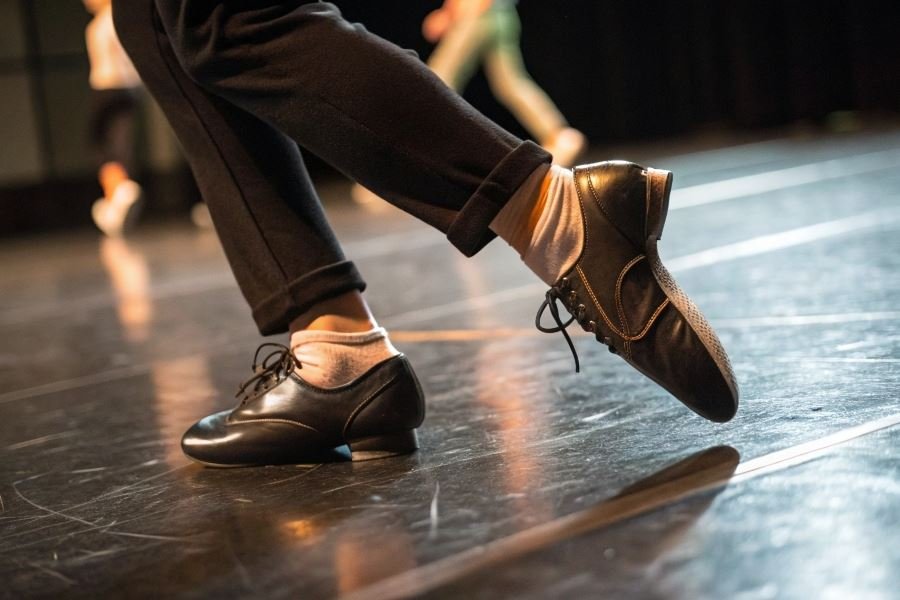
Ever watched a jazz dancer execute a flawless triple pirouette only to slip at the final moment? That split-second between brilliance and disaster often comes down to one thing: their shoes.
When it comes to jazz shoes, durability isn’t just about getting your money’s worth—it’s about consistent performance when every movement counts. Professional dancers can wear through inferior shoes in mere weeks, while students practicing for recitals need footwear that can withstand months of rigorous training. The most durable material for jazz shoes must balance flexibility with longevity, creating that perfect partnership between dancer and floor.
Material choice fundamentally shapes how jazz shoes perform under pressure. Genuine leather has dominated the market for decades because of its remarkable ability to mold to the foot while maintaining structural integrity. Meanwhile, synthetic alternatives have evolved dramatically, with microfiber blends now offering comparable durability at lower price points.
“The right material doesn’t just last longer—it responds better to your movements throughout its lifespan.” – National Dance Education Organization
Three key factors determine material durability in jazz shoes:
- Resistance to friction – How the material holds up against constant sliding, turning, and pivoting
- Moisture management – How it handles sweat (the silent destroyer of dance footwear)
- Structural flexibility – How it maintains shape while allowing necessary movement
The perfect jazz shoe material doesn’t just survive—it thrives under the unique demands of this expressive art form.
The Ultimate Durability Showdown for Jazz Shoes
Leather: The Time-Tested Champion
When dancers ask what is the most durable material for jazz shoes, leather consistently tops the list for serious performers. Full-grain leather offers exceptional longevity, molding to your feet while maintaining structural integrity through countless pirouettes and slides. Split-sole leather jazz shoes from brands like Bloch and Capezio typically outlast their canvas counterparts by 30-40% under identical performance conditions.
The secret to leather’s impressive durability lies in its natural fiber structure. Unlike manufactured materials, genuine leather contains interwoven collagen fibers that flex without breaking down. This translates to shoes that might cost more initially ($60-120) but deliver superior cost-per-wear value over their lifespan.
Not all leather is created equal, however. Consider these variations:
- Full-grain leather: Maximum durability, excellent moisture resistance
- Kid leather: Softer feel, slightly less durable but superior comfort
- Patent leather: Striking appearance for performances, less breathable
The primary limitation? Leather requires proper care—conditioning, appropriate storage, and occasional resoling—to maximize its lifespan.
Canvas and Synthetics: The Practical Contenders
Canvas jazz shoes present a compelling alternative, particularly for growing dancers or those in training programs. Modern canvas options incorporate reinforced stitching and specialized weaves that dramatically improve their durability compared to earlier generations.
| Material | Average Lifespan | Price Range | Best For |
|---|---|---|---|
| Premium Leather | 12-18 months | $60-120 | Professional performers |
| Canvas | 6-10 months | $25-50 | Growing dancers, training |
| Synthetic | 8-12 months | $40-80 | Versatility, vegan options |
Synthetic materials have made remarkable strides since their introduction to dance footwear. Today’s engineered synthetics from Sansha and other manufacturers incorporate microfibers that mimic leather’s durability while offering enhanced breathability. These materials resist scuffing and maintain their shape through rigorous use.
The performance characteristics vary significantly between materials. Canvas provides superior breathability but tends to wear through at stress points. Synthetics offer consistent performance across varying humidity levels—a significant advantage for touring performers who dance in different climate conditions.
Hybrid and Specialty Materials: The Innovative Frontrunners
The most exciting developments in jazz shoe durability come from hybrid constructions that strategically combine materials for optimal performance. These innovative approaches place different materials exactly where they’re needed:
“The future of durable dance footwear isn’t about choosing one material—it’s about engineering the perfect combination for each part of the shoe.” – Dance Magazine, 2023
Mesh-reinforced leather creates breathable zones while maintaining structural integrity. Kevlar-infused soles (yes, the same material used in bulletproof vests) provide extraordinary resistance to wear on the highest-friction areas.
So Danca has pioneered neoprene inserts that extend the life of their jazz shoes by absorbing and distributing impact forces that typically break down traditional materials.
For specialty applications, materials like microfiber suede offer exceptional durability for contemporary jazz styles that incorporate floor work. These materials resist abrasion while maintaining the necessary flexibility for technical movement.
The verdict? While leather remains the durability standard-bearer, today’s hybrid and specialty materials are closing the gap—offering compelling alternatives that combine longevity with performance advantages traditional materials can’t match.
Making the Right Choice: Durable Jazz Shoe Materials
Matching materials to your dance style
The perfect jazz shoe material isn’t universal—it depends entirely on your dance intensity and style. Leather remains the gold standard for professional dancers who perform regularly. Full-grain leather from brands like Bloch offers exceptional durability for high-impact routines and competitive performances. The natural fibers conform to your foot while maintaining structural integrity through countless pirouettes and slides.
For contemporary jazz styles that incorporate more floor work, split-sole canvas shoes provide the flexibility needed while still offering respectable longevity. These shoes, particularly those with reinforced canvas like Capezio’s premium lines, deliver an impressive balance of durability and expressiveness.
Intensity matters more than you think. A weekend workshop dancer might find synthetic materials perfectly adequate, while professional dancers logging 20+ hours weekly need the regenerative properties of genuine leather that can withstand constant friction and moisture.
Maintenance practices that multiply shoe lifespan
The most durable material becomes significantly more resilient with proper care. This isn’t just about extending life—it’s about maintaining performance.
Never leave jazz shoes in your dance bag after use. This simple mistake traps moisture and accelerates material breakdown. Instead, use a breathable mesh bag and allow complete air-drying between sessions.
For leather shoes, apply a specialized leather conditioner quarterly to prevent cracking and maintain suppleness. Canvas shoes benefit from spot-cleaning with mild soap and cool water—never machine wash or fully submerge them.
The difference between a three-month and twelve-month shoe lifespan often comes down to the first five minutes after you take them off.
Create a rotation system if possible. Having two pairs and alternating them can nearly double the lifespan of both, as materials need recovery time between intense sessions.
Cost-benefit analysis of durable materials
When evaluating materials purely on durability-per-dollar, this comparison reveals some surprising insights:
| Material | Initial Cost | Average Lifespan | Cost Per Month | Best For |
|---|---|---|---|---|
| Full-grain leather | $85-120 | 12-18 months | 5.50−10 | Professional performance |
| Split-sole leather | $65-90 | 8-14 months | 5.40−11.25 | Intermediate/advanced practice |
| Canvas | $35-60 | 4-8 months | 7.50−8.75 | Beginners, contemporary styles |
| Synthetic leather | $40-70 | 5-9 months | 6.70−8.00 | Recreational dancers |
While premium leather shoes command higher upfront costs, their superior longevity often results in better long-term value. For serious dancers, investing in top-tier materials isn’t luxury—it’s economy.
The most cost-effective approach combines material selection with maintenance discipline. A well-maintained canvas shoe can outlast a neglected leather one, regardless of inherent material properties.
The ultimate durability equation: Material quality × Maintenance consistency × Appropriate use = Maximum lifespan
Choose materials that match your dance reality, commit to proper care, and you’ll find your jazz shoes becoming reliable partners rather than disposable equipment.