
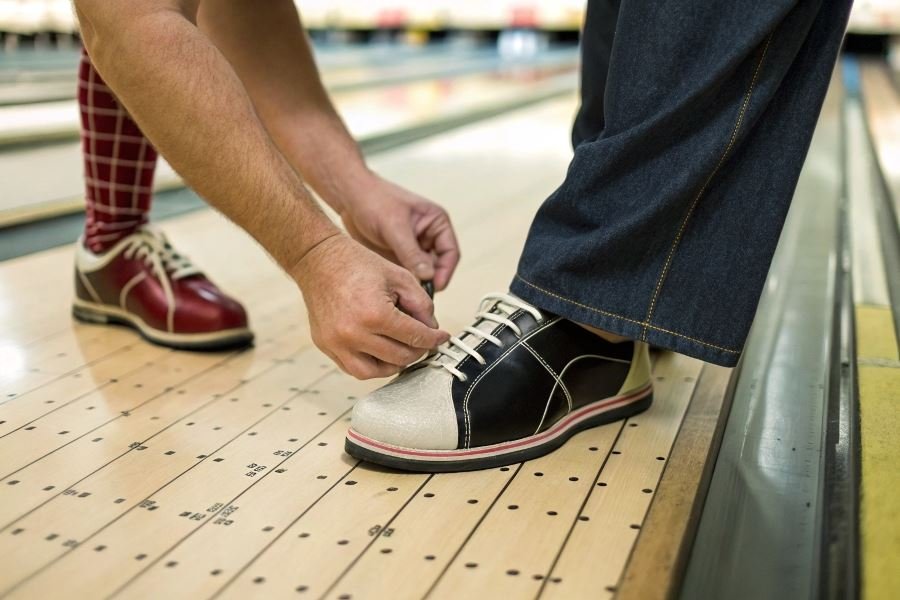
Ever watched a pro bowler glide effortlessly to the line before delivering a perfect strike? That magical moment begins with what’s on their feet. The right bowling shoes aren’t just an accessory—they’re the foundation of your entire game.
Think about it: bowling is one of the few sports where footwear isn’t just equipment, it’s part of the playing surface. Your shoes literally interact with the lane, creating the perfect balance between slide and traction that powers your approach. Choosing the right bowling shoes might seem overwhelming for beginners, but it’s a game-changer that can dramatically improve your scores.
The rental shoe reality check
Let’s be honest—those rainbow-colored rental shoes have seen thousands of feet and countless games. While they’ll get you on the lane, they offer a one-size-fits-all approach to a sport that demands precision. House shoes typically feature identical slide soles on both feet, regardless of whether you’re right or left-handed. Personal bowling shoes, however, are designed with a slide sole on your dominant foot and a brake sole on your non-dominant foot—creating the perfect combination of glide and stability.
The anatomy of performance
What truly separates basic shoes from performance models? It comes down to three critical components:
- Soles: Entry-level shoes have fixed soles, while performance models offer interchangeable slide pads that adapt to different lane conditions
- Upper construction: Premium materials provide better support during your approach
- Heel design: The height and construction affect your stability at the crucial moment of release
The difference between throwing gutter balls and striking consistently often comes down to these seemingly small details. Your shoes aren’t just carrying you to the line—they’re actively participating in every frame you bowl.
The Perfect Bowling Shoe: Your Foundation for Success
Finding the right bowling shoes might seem straightforward, but this crucial piece of equipment can dramatically impact your performance on the lanes. As any seasoned bowler will tell you, the relationship between your feet and the approach is where bowling magic begins.
When starting your journey into selecting bowling shoes, understanding the fundamentals becomes essential. How to choose bowling shoes: a guide for beginners should focus first on identifying your dominant sliding foot, then selecting appropriate materials, and finally ensuring proper fit. Let’s break down these critical factors to help you make an informed decision.
Know Your Sliding Foot
Your dominant hand typically determines your sliding foot—but not always. Most right-handed bowlers slide with their left foot during delivery, while left-handed bowlers slide with their right. This distinction is crucial because bowling shoes are designed with different soles on each foot:
- Sliding foot: Features a smooth, slick sole that allows controlled gliding
- Braking foot: Has a rubber sole providing traction and stability
Many beginners start with universal or “rental-style” shoes that have sliding soles on both feet. However, as you progress, investing in shoes designed specifically for your handedness will significantly improve your approach consistency.
Slide Sole Materials Matter
The material of your slide sole directly impacts your performance and should align with your skill level:
| Sole Material | Sliding Characteristics | Recommended For |
|---|---|---|
| Microfiber | Moderate slide | Beginners |
| Leather | Medium-fast slide | Intermediate |
| Teflon | Very fast slide | Advanced |
Beginners should opt for microfiber soles that provide controlled, moderate sliding. These forgive minor technique flaws while you develop your approach. As your skills advance, you might consider shoes with interchangeable slide soles from brands like Dexter or Brunswick, allowing you to customize your slide based on lane conditions.
Finding Your Perfect Fit
Bowling shoes should fit differently than your everyday footwear. Here’s what to consider:
- Size precision: Measure both feet late in the day when they’re naturally larger
- Width matters: Many bowling shoes come in various widths (narrow, medium, wide)
- Comfort features: Look for padded collars, cushioned insoles, and breathable linings
The right bowling shoes should feel snug but never tight, with approximately a half-inch of space between your longest toe and the shoe’s end.
Performance bowling shoes from manufacturers like Storm often include enhanced comfort features such as moisture-wicking linings and extra arch support. These features become increasingly important during tournament play when you might be on your feet for hours.
Remember that bowling shoes typically run true to size compared to athletic shoes, not dress shoes. If possible, try before buying or ensure the retailer has a good return policy.
By focusing on these three key factors—identifying your sliding foot, selecting appropriate materials, and ensuring proper fit—you’ll establish a solid foundation for your bowling journey. The right shoes won’t just improve your performance; they’ll also enhance your comfort and help prevent injuries as you develop your unique approach to the game.
Seal the Deal: Your Bowling Shoe Selection Checklist
Finding the perfect pair of bowling shoes as a beginner doesn’t have to feel like rolling gutter balls. Let’s cut through the confusion and lock in your final selection with some game-changing recommendations, maintenance wisdom, and upgrade indicators that’ll keep you striking confidently.
Beginner-friendly bowling shoe champions
The market offers countless options, but these three models consistently deliver exceptional value and performance for newcomers:
-
Brunswick Edge – At $69.99, these shoes feature microfiber sliding soles, padded collars, and lightweight construction that won’t weigh you down. The universal sliding sole works for both right and left-handed bowlers, making them perfect for those still developing their approach.
-
Dexter Turbo II – Priced around $54.95, these are the Toyota Corollas of bowling shoes—reliable, comfortable, and built to last. Their non-marking outsoles and textile uppers provide breathability during those marathon bowling sessions.
-
KR Strikeforce Flyer – Coming in at $49.99, these feature Komfort-Fit construction and a FlexSlide technology sole that helps beginners develop proper sliding technique without sacrificing stability.
| Model | Price | Best Feature | Ideal For |
|---|---|---|---|
| Brunswick Edge | $69.99 | Universal sliding sole | Ambidextrous bowlers |
| Dexter Turbo II | $54.95 | Durability | Frequent practice |
| KR Strikeforce Flyer | $49.99 | FlexSlide technology | Slide technique development |
Extend your shoe lifespan with proper care
Your bowling shoes aren’t just another expense—they’re an investment in your game that deserves protection:
-
Post-game ritual – Wipe down your shoes with a dry cloth after each session to remove lane oil and dust. This prevents material breakdown and preserves sliding performance.
-
Storage smarts – Use a dedicated bowling shoe cover or bag rather than tossing them in with your ball. Keeping them separate prevents unnecessary scuffing and protects the sliding soles from picking up debris.
-
Sole maintenance – For sliding soles, use a microfiber cloth with a small amount of sole cleaner every 10-15 games. Never use household cleaners as they can damage the specialized materials.
-
Rotation strategy – Allow 24-48 hours between uses when possible. This gives materials time to fully dry and recover, significantly extending their functional lifespan.
Pro tip: Keep a small brush in your bowling bag to remove lane debris from traction soles before it becomes embedded in the material.
When to level up your footwear game
Your beginner shoes have served you well, but watch for these telltale signs that it’s time for an upgrade:
-
Consistent scoring improvements – Breaking 150 regularly? Your technique has evolved beyond entry-level equipment.
-
Sole inconsistency – When your slides become unpredictable despite proper maintenance, the sole materials have likely compressed or worn unevenly.
-
Approach evolution – As your approach becomes more dynamic with increased speed or a more pronounced hook, you’ll benefit from shoes with interchangeable soles that can be customized to your evolving style.
-
Competitive participation – Once you join a league or enter tournaments, investing in performance shoes with adjustable features becomes less luxury and more necessity.
The journey from rental shoes to your first pair is significant, but knowing when to graduate to intermediate equipment is equally important for continued improvement. Your bowling shoes are the literal foundation of your game—choose wisely, maintain diligently, and upgrade strategically!