
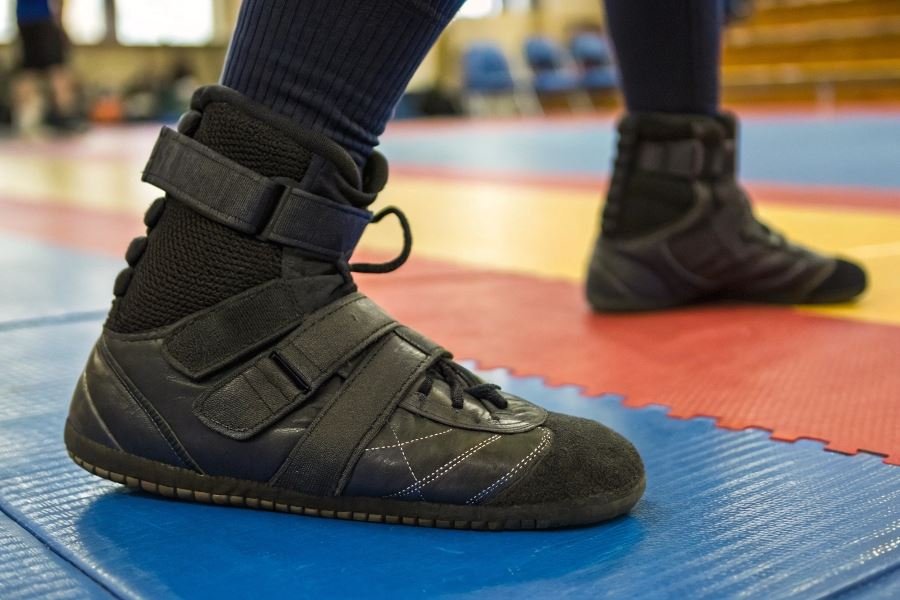
Ever watched a pro bowler execute that perfect strike? It wasn’t just skill—it was also their perfectly fitted bowling shoes. The right bowling footwear can be the difference between sliding gracefully into a turkey (three strikes in a row) or stumbling through a disappointing split.
When selecting bowling shoes, you’re not just picking footwear—you’re choosing specialized equipment designed for a specific athletic purpose. Unlike your everyday sneakers, bowling shoes feature a unique sliding sole on one foot (the non-dominant foot) and a braking sole on the other. This specialized design allows for that smooth approach and controlled slide that powers your delivery.
Why proper fit transforms your game:
- Too loose: Your foot slides inside the shoe, destroying timing and balance
- Too tight: Restricted movement and painful pressure points develop after just a few frames
- Just right: Consistent slides, better balance, and enhanced control
“The difference between rental and personal bowling shoes is like comparing a rental car to your own vehicle—one is functional, the other is tuned perfectly to your needs,” explains veteran pro shop operator Mark Williams.
Rental shoes serve their purpose for occasional bowlers, but they come with significant drawbacks: worn-out soles, questionable hygiene, and a generic fit that rarely matches your exact requirements. Personal bowling shoes, while an investment, provide consistent performance, customized fit, and that confidence boost that comes from using equipment tailored to your specific needs.
Remember: your bowling shoes aren’t just footwear—they’re the foundation of every frame you’ll bowl.
Finding Your Perfect Bowling Shoe Fit
The difference between a strike and a gutter ball often starts with your feet. Proper bowling shoes aren’t just about style—they’re precision instruments designed for optimal performance on the lanes. Getting the right size isn’t merely about comfort; it’s about creating the perfect foundation for your bowling technique.
When approaching how to choose the right shoe size for bowling, you need to understand that bowling shoes differ significantly from your everyday footwear. The specialized design accommodates the sliding and braking motions unique to the sport, making proper sizing even more critical than with regular shoes.
Measure Twice, Bowl Better
Start with accurate measurements. Unlike casual shoe shopping, bowling requires precision:
- Measure your feet in the evening when they’re naturally at their largest
- Stand while measuring to distribute weight naturally
- Measure both feet (most people have one foot slightly larger)
- Record both length and width measurements
Pro tip: Many pro shops offer specialized fitting services with Brannock devices calibrated specifically for bowling footwear.
The Sock Factor
Your choice of socks dramatically impacts your bowling shoe fit:
| Sock Type | Size Adjustment |
|---|---|
| Thin athletic | Standard size |
| Medium thickness | Consider 1/2 size up |
| Thick cushioned | May need full size up |
During extended bowling sessions, feet naturally swell. Always account for this expansion by ensuring about 3/8 to 1/2 inch of space between your longest toe and the shoe end. This prevents painful pressure points that develop during tournament play.
Width Matters
Bowling shoes follow standard width designations:
- B – Narrow
- D – Medium (men’s standard)
- E/EE – Wide
- EEE/EEEE – Extra wide
Many bowlers mistakenly focus only on length while ignoring width, leading to discomfort and reduced performance.
The sliding action in bowling requires shoes that secure your foot without constriction. Too narrow, and you’ll experience pain; too wide, and you’ll lose control during your approach.
Navigating Size Conversions
Bowling shoe sizing varies between manufacturers and gender designations:
Men’s to Women’s Conversion: Women typically need to subtract 1.5-2 sizes from their regular shoe size when selecting men’s bowling shoes. For example, a woman wearing size 8 street shoes would likely need a men’s 6 or 6.5 in bowling shoes.
Youth Sizing: Children’s bowling shoes generally follow these patterns:
- Ages 4-6: Sizes 10-13
- Ages 7-10: Sizes 1-4
- Ages 11-14: Sizes 5-8
International Conversions:
| US Size | EU Size | UK Size |
|---|---|---|
| 8 | 41 | 7.5 |
| 9 | 42.5 | 8.5 |
| 10 | 44 | 9.5 |
| 11 | 45 | 10.5 |
Remember that rental shoes often feel different from personal bowling shoes. When purchasing your own pair from Brunswick or Dexter, expect a more precise fit and better performance than you’ve experienced with rentals.
The perfect bowling shoe fit should feel snug but never tight, with enough room to wiggle your toes while maintaining heel stability. This balance creates the ideal platform for consistent approaches and reliable slides, ultimately improving your scoring potential with every frame.
Perfect Fit: Testing and Confirming Your Bowling Shoe Size
Finding the right bowling shoes isn’t just about comfort—it’s about performance. The perfect fit can dramatically improve your slide, stability, and ultimately, your score. Let’s dive into how to confirm you’ve found your bowling sole mate.
The Slide Test: Your Ultimate Fit Verification
The slide test is bowling’s equivalent of a test drive. After lacing up your potential new shoes:
- Approach the foul line as you normally would
- Take your final step with your sliding foot
- Pay attention to how smoothly you slide and how much control you maintain
Your ideal slide should feel natural and controlled—not abrupt or unstable. If you’re sticking to the approach or sliding too far, your shoes aren’t working with your technique.
The perfect bowling slide should feel like gliding on silk—smooth, controlled, and predictable.
Many pro shops have test areas with approach surfaces where you can perform this test before purchase. Take advantage of these spaces—they’re game-changers for finding your perfect fit.
Red Flags: When Your Bowling Shoes Don’t Fit
Your body sends clear signals when bowling shoes aren’t right. Watch for these warning signs:
Too Small:
- Toes feel cramped or touch the front
- Sides of feet feel compressed
- Blisters form after minimal use
- Foot falls asleep during games
Too Big:
- Heel lifts when walking
- Excessive side-to-side movement
- Inconsistent slides
- Need to overtighten laces
The consequences of ill-fitting shoes extend beyond discomfort—they directly impact your technique. Too-tight shoes restrict your natural motion, while too-loose shoes compromise stability and control.
Brand-Specific Sizing Guide
Different bowling shoe manufacturers use slightly different sizing standards. Here’s what to know about major brands:
| Brand | Sizing Tendency | When to Size Up | When to Size Down |
|---|---|---|---|
| Dexter | Runs narrow | Wide feet | Narrow feet |
| Brunswick | True to size | High arches | Flat feet |
| Storm | Runs slightly large | Never | Most cases |
| KR Strikeforce | Runs small | Most cases | Never |
Performance models typically fit more snugly than recreational shoes. If you’re upgrading from house shoes to performance bowling shoes, you might need to adjust your expectations accordingly.
Breaking In Your New Bowling Shoes
Even perfectly sized bowling shoes need a proper break-in period. Follow these tips:
- Wear them around the house for 30-minute sessions before taking them to the lanes
- Apply leather conditioner to stiff areas (if manufacturer-approved)
- Start with practice games rather than competition
- Bring backup shoes for your first few sessions
Never attempt to speed up break-in by soaking or heating your bowling shoes—this can damage specialized materials and affect performance features.
The sliding sole will naturally become smoother with use. If you’re experiencing inconsistent slides after several sessions, consider a professional adjustment at your local pro shop rather than attempting DIY modifications.
Remember: the perfect bowling shoe fit should feel secure but never restrictive, supportive without being rigid, and provide consistent performance from frame to frame.