
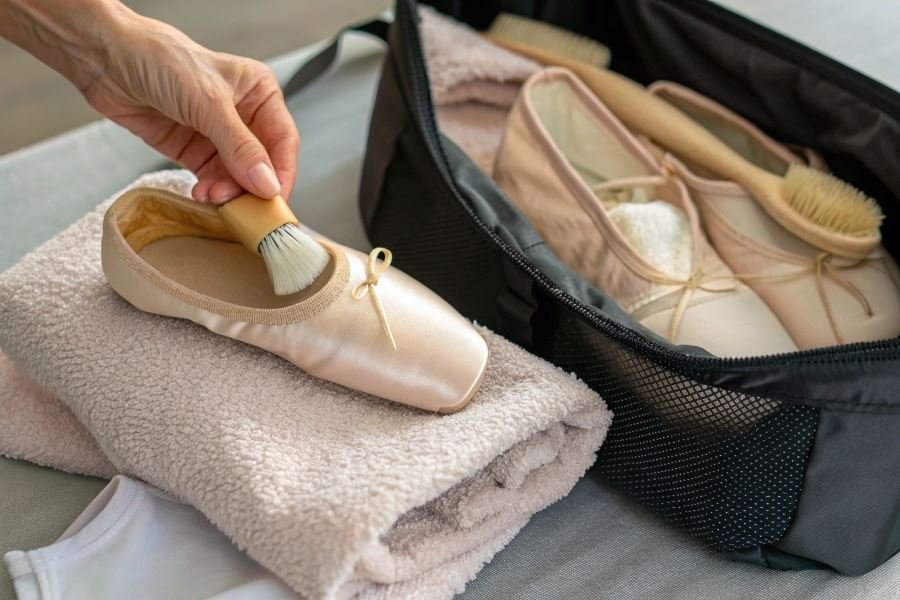
The studio lights dim, the music swells, and suddenly—your feet betray you with blisters and pain. Every adult dancer knows this moment of truth when improper footwear transforms grace into grimace.
Selecting the right ballet shoes as an adult isn’t merely about aesthetics—it’s about protecting your body while maximizing performance. Unlike children whose feet are still developing, adult dancers face unique challenges: established foot structures, varying flexibility levels, and often, the residual effects of previous injuries. This makes proper footwear selection absolutely critical.
The foundation of your dance journey
For adult beginners, ballet shoes should prioritize comfort and support. Look for models with slightly thicker soles and more structured canvas to help maintain proper alignment while your feet develop strength. Experienced dancers, however, often prefer thinner-soled shoes that allow greater floor sensitivity and articulation—essential for advanced techniques.
What truly matters in adult ballet footwear
When evaluating ballet shoes, focus on these essential criteria:
- Proper fit: Shoes should hug your feet without pinching or gapping
- Material quality: Canvas breathes while leather molds to your foot
- Sole construction: Split-sole for flexibility, full-sole for support
- The elastics and ribbons: Crucial for securing the shoe properly
Remember that your ballet shoes are more than just an accessory—they’re specialized equipment designed to enhance your performance while preventing injury. The right pair becomes an extension of your body, allowing you to focus on the artistry rather than discomfort.
Essential Criteria for Adult Ballet Shoes
Finding the perfect ballet shoes as an adult dancer requires attention to detail that goes beyond what younger dancers might need. The right pair can transform your experience at the barre, while ill-fitting shoes can lead to discomfort and even injury. When exploring how to choose ballet shoes for adults: main criteria, three factors stand out above all others: proper fit, material selection, and sole construction.
Finding Your Perfect Fit
Adult feet have fully developed, making proper sizing crucial for ballet performance. Unlike children’s shoes that accommodate growth, adult ballet shoes should fit like a second skin.
Measurement matters: Measure both feet at the end of the day when they’re slightly swollen. Your ballet shoe size often differs from street shoes—typically running 1-2 sizes smaller than your regular footwear.
The perfect fit should feel snug without pinching, with just enough room for your toes to lie flat.
Most professional dancers recommend a fit where you can feel the floor beneath you but without any painful pressure points. Remember that leather shoes will stretch approximately a quarter size with wear, while canvas has minimal give.
| Foot Type | Recommended Fit Adjustment |
|---|---|
| Wide feet | Size up, look for wider cuts |
| Narrow feet | Consider drawstrings for adjustability |
| High arches | Seek softer, more pliable materials |
| Flat feet | Look for shoes with added arch support |
Canvas vs. Leather: Material Decisions
The debate between canvas and leather ballet shoes has raged in dance studios for decades, with each material offering distinct advantages.
Canvas advantages:
- Lightweight and breathable
- Molds to the foot immediately
- Machine washable
- More affordable ($15-30 range)
- Vegan-friendly option
Leather benefits:
- Superior durability (often lasting 2-3x longer)
- Elegant appearance for performances
- Provides more support for adult feet
- Stretches to create a custom fit
- Better moisture management for extended wear
For adult beginners, canvas offers immediate comfort and affordability. Intermediate and advanced dancers often transition to leather for its longevity and support. Many professionals maintain pairs of both—canvas for training and leather for performances.
Sole Construction and Performance Impact
The sole of your ballet shoe directly influences both technique development and comfort level.
Full-sole shoes provide maximum support and are ideal for beginners or dancers returning after a long break. They offer stability and help strengthen foot muscles gradually. The trade-off is less flexibility for pointing.
Split-sole designs feature separate pads at the heel and ball of the foot, allowing for:
- Enhanced arch visibility
- Greater flexibility for pointing
- Improved floor feel and articulation
- Less resistance when rolling through demi-pointe
Most adult dancers find split-sole shoes more comfortable as they accommodate the natural flexibility limitations of mature feet.
The material of the sole also matters significantly. Leather soles provide durability but less grip, while suede soles offer excellent traction but wear faster. Some modern shoes feature microfiber soles that attempt to balance longevity with grip.
Your choice ultimately depends on your experience level, foot strength, and the types of floors in your studio. The right sole can reduce fatigue and help prevent common adult dancer injuries like plantar fasciitis.
The Ballet Shoe Decision: Your Final Steps
Smart budgeting for quality pointe shoes
Ballet shoes represent a significant investment in your dance journey. Quality adult ballet shoes typically range from $20 for basic canvas split-soles to $120+ for professional-grade pointe shoes. The sweet spot for recreational adult dancers often falls between $30-60 for flat slippers that balance durability with performance.
When budgeting, consider your dance frequency. Weekend warriors might prioritize comfort over longevity, while those attending multiple classes weekly should invest in shoes that can withstand consistent wear. Remember that cheaper options often cost more long-term as they require more frequent replacement.
The true cost of ballet shoes isn’t the price tag—it’s how many hours of dance they provide before needing replacement.
Many studios offer discounts through partnerships with dance retailers. Bloch and Capezio frequently run seasonal sales, making higher-end models more accessible. Some specialty shops also offer “slightly imperfect” shoes at 20-30% discounts—these minor cosmetic flaws rarely affect performance.
Brand matchmaking for adult dancers
Different brands excel for different foot types and experience levels:
| Brand | Best For | Notable Features |
|---|---|---|
| Sansha | Wide feet, beginners | Generous toe box, durable canvas |
| Grishko | Narrow feet, intermediate | Excellent arch support, longer vamp |
| Freed of London | Professional, high arches | Hand-crafted, customizable hardness |
| Russian Pointe | Returning dancers | Balanced support, modern design |
For adult beginners, Capezio Hanami and Bloch Synchrony offer exceptional comfort with enough structure to support proper technique development. Those with foot sensitivity might prefer Gaynor Minden pointe shoes, which feature revolutionary foam technology that reduces impact.
Adult male dancers often find Wear Moi and Nikolay offer wider sizing options specifically designed for masculine foot structures.
Extending your ballet shoe lifespan
The average pair of canvas ballet slippers can last 3-6 months with proper care, while pointe shoes might survive 10-30 hours of dancing depending on technique and intensity.
Essential maintenance practices:
- Air dry thoroughly after each use—never leave damp shoes in your dance bag
- Rotate between two pairs to allow complete drying
- Use cedar shoe trees to maintain shape and absorb moisture
- Spot clean with mild soap and water rather than machine washing
- Reinforce stress points with darning or specialized tape before they tear
For pointe shoes, jet glue applied strategically to the platform and shank can extend life by up to 40%. Apply sparingly to avoid changing the shoe’s essential characteristics.
Store your shoes in breathable mesh bags rather than plastic. Many dancers swear by Bunheads Pointe Shoe Refresher spray to neutralize odors without damaging delicate materials.
By investing wisely, selecting the right brand for your unique needs, and implementing these maintenance strategies, your ballet shoes will support your adult dance journey reliably and comfortably—allowing you to focus on the art rather than your aching feet.