
Ever watched Usain Bolt blast down the track at 27.8 mph or marveled at Faith Kipyegon floating over 1500 meters? That blur of excellence isn’t just talent and training—it’s technology on their feet. The right running spikes can shave crucial tenths of a second off your time, transforming good performances into podium finishes.
Running spikes aren’t just shoes; they’re precision instruments engineered for specific battle conditions on the track. A sprinter’s spike bears little resemblance to a distance runner’s weapon of choice, with each designed to solve unique biomechanical challenges.
The science behind the speed
The relationship between spike design and running discipline is beautifully complex. Sprint spikes feature aggressive forefoot plates with maximum stiffness, launching athletes forward with each explosive step. Meanwhile, middle-distance spikes balance responsiveness with cushioning, and cross-country spikes prioritize traction and durability across varied terrain.
When selecting your perfect spike match, three factors reign supreme:
- Event distance – Determines the optimal balance between propulsion and comfort
- Running surface – Indoor tracks, outdoor synthetic, or natural terrain each demand specific traction patterns
- Personal biomechanics – Your unique stride, foot strike, and anatomical needs should guide your selection
The difference between good and great often comes down to millimeters of spike length or degrees of plate stiffness. Elite athletes understand this intimately—their footwear isn’t an afterthought but a critical performance variable meticulously selected for their specific competitive needs.
The Perfect Match: Spike Selection for Every Running Distance
When athletes step onto the track, their footwear becomes their competitive edge. The specialized design elements in running spikes can make milliseconds of difference—often the margin between standing on the podium or watching from the sidelines. A thoughtful comparison of spikes for different types of running disciplines reveals how manufacturers have engineered distinct solutions for the unique demands of each distance category.
Sprint Spikes: Built for Explosive Power (100m-400m)
Sprint spikes are the Formula 1 cars of the running world—aggressive, uncompromising, and built purely for speed. These spikes feature:
Maximum rigidity with full-length carbon fiber plates that transfer 100% of power into forward propulsion. The Nike Superfly Elite 2 exemplifies this with its aerospace-grade carbon plate that weighs less than 20 grams.
Aggressive spike configuration with 6-8 pins positioned primarily in the forefoot to create optimal traction during acceleration phases. This arrangement prevents slippage when athletes generate forces exceeding 4-5 times their body weight.
Minimal heel cushioning since sprinters remain on their toes throughout races. The Puma EvoSpeed Tokyo Future features a heel stack height of just 4mm compared to 15-20mm in distance shoes.
The spike plate extends nearly the entire length of the shoe, creating a “springboard effect” that propels athletes forward with each powerful stride.
| Feature | Sprint Spike Specification | Benefit |
|---|---|---|
| Weight | 100-150g | Reduces energy expenditure |
| Spike Count | 6-8 pins | Maximum traction on start |
| Plate Stiffness | 9-10/10 | Complete power transfer |
| Heel-to-Toe Drop | 0-4mm | Promotes forefoot running |
Middle-Distance Spikes: The Hybrid Solution (800m-3000m)
Middle-distance events demand versatility—athletes need explosive speed for tactical moves and sustainable comfort for extended efforts. These specialized spikes strike a delicate balance:
Semi-rigid plates typically made from Pebax or carbon-composite materials provide responsiveness without the punishing stiffness of sprint spikes. The Adidas Adizero Avanti uses a three-quarter length plate that flexes precisely at the metatarsal break point.
Strategic cushioning appears in the midfoot and heel, with foam densities calibrated to compress under race pace impacts but remain supportive during sustained efforts.
Anatomical spike placement with 4-6 pins distributed to support both acceleration and rhythm maintenance. Engineers position pins to maximize traction during both the push-off phase and mid-race surges.
Long-Distance and Cross-Country Spikes: Endurance Engineered
When races extend beyond 5000m or move onto varied terrain, spike design prioritizes:
Enhanced durability with reinforced upper materials and abrasion-resistant toe caps. The Saucony Havok XC3 incorporates Kevlar-infused mesh that withstands mud, rocks, and thousands of impact cycles without degradation.
Balanced cushioning systems that protect against repetitive impact while maintaining ground feel. Most elite models feature dual-density midsoles with firmer compounds beneath the forefoot and softer materials supporting the heel.
Versatile traction patterns with removable spike configurations (typically 4-5 pins) and supplemental rubber lugs that provide grip when spikes can’t penetrate hard surfaces. This hybrid approach ensures consistent performance across varying course conditions.
The strategic differences between spike categories demonstrate how specialized footwear technology has evolved to meet the precise demands of each running discipline, giving athletes the confidence to push their physiological limits without footwear limitations.
Spike Selection Mastery for Running Excellence
The Science Behind Spike Design Across Disciplines
The evolution of running spikes represents one of track and field’s most fascinating equipment stories. Each discipline demands unique spike configurations, with differences that might seem subtle but deliver dramatic performance impacts. Sprint spikes feature rigid plates with aggressive traction positioned toward the forefoot, maximizing power transfer during explosive starts. Middle-distance spikes strike a delicate balance with semi-rigid plates and strategic cushioning. Distance spikes prioritize flexibility and comfort with minimal plates and lighter construction.
The placement of spike pins tells its own story—sprinters benefit from 6-8 pins concentrated at the forefoot for maximum grip during powerful pushoffs, while distance runners typically use 4-5 pins distributed more evenly to support natural foot movement across longer races. These design variations aren’t marketing gimmicks but essential performance tools calibrated to event-specific biomechanics.
Matching Spikes to Your Racing Reality
Selecting the perfect spike requires honest assessment of your racing needs. Event specialization should drive your decision, not just brand preference or aesthetics.
For 100-400m specialists:
- Prioritize rigid plates with aggressive 7-9mm pins
- Accept minimal heel cushioning as a worthwhile trade for power transfer
- Consider weight as a critical factor (optimal range: 4-6 ounces)
For 800-1500m competitors:
- Seek semi-rigid plates that balance power with comfort
- Choose 5-7mm pins for versatile traction
- Look for moderate heel-to-toe drop (4-6mm) supporting midfoot striking
For 3000m+ events:
- Embrace flexible plates that allow natural foot movement
- Select shorter 3-5mm pins to reduce pressure points
- Ensure adequate cushioning for prolonged impact protection
The right spike doesn’t just fit your foot—it fits your racing strategy, biomechanics, and competitive goals.
Track surface considerations matter tremendously. Mondo surfaces respond best to shorter pins, while older synthetic tracks or wet conditions may require longer pins for adequate traction. Many elite athletes maintain multiple spike configurations for different track surfaces and weather conditions.
Extending Spike Lifespan Through Smart Maintenance
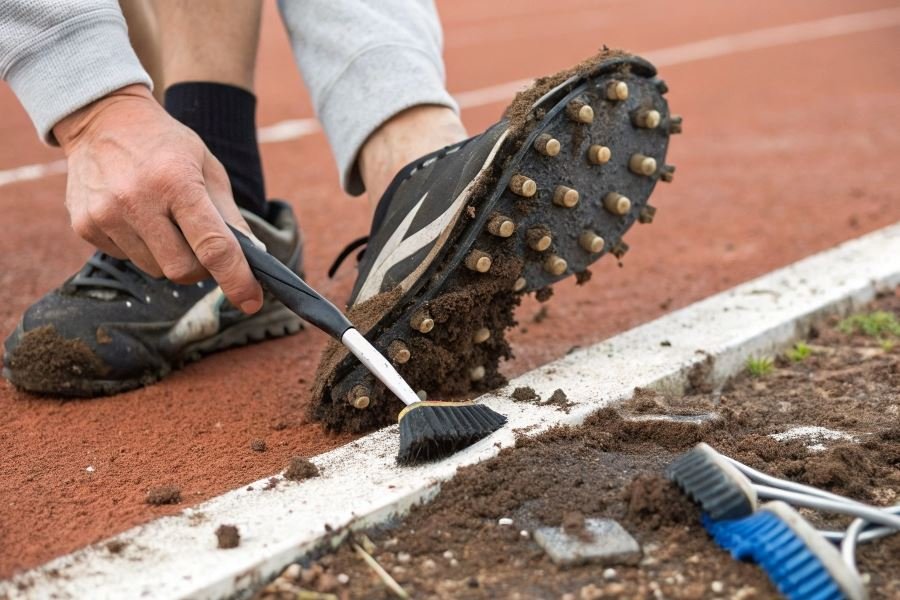
The lifespan of quality spikes can be dramatically extended through proper care. After each use, remove embedded track material from the plate and pins using a small brush—this prevents premature wear and maintains optimal traction. Never machine wash your spikes; instead, clean them with mild soap and cold water, then air dry away from direct heat sources.
Pin management represents another crucial maintenance aspect. Regularly inspect pins for wear and replace them before they become dull or damaged. Most manufacturers recommend replacing pins after 20-30 races depending on surface conditions. Keep a spike wrench in your bag for quick adjustments, and apply a drop of penetrating oil to pins that become difficult to remove.
Storage matters too—keep spikes in a ventilated bag rather than sealed containers to prevent moisture accumulation. For serious competitors, rotating between two pairs extends the structural integrity of both.
The investment in proper spike selection and maintenance pays dividends in performance consistency and injury prevention. Your spikes represent the critical interface between your training investment and the track—give them the attention they deserve.