
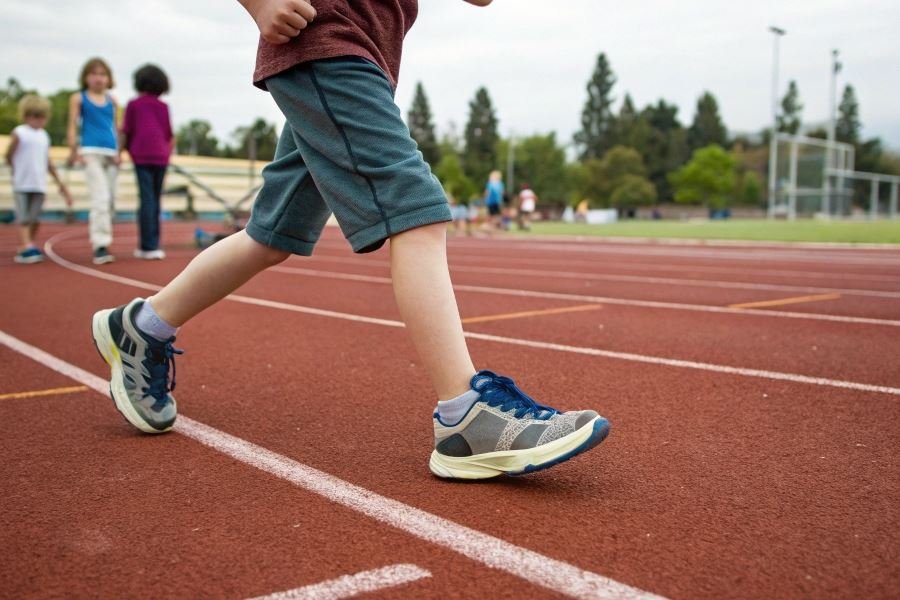
Ever watched a child sprint across a playground, only to wince as they slip in shoes that clearly weren’t designed for the task? That’s not just uncomfortable—it’s potentially harmful to developing feet that will carry them for decades to come.
When it comes to children’s footwear, we’re not just buying smaller versions of adult shoes. We’re investing in proper development, comfort, and safety for rapidly growing feet that change with each passing season. The right sneaker can make the difference between confident strides and painful stumbles.
Children’s feet respond differently to seasonal challenges than adult feet do. Summer heat causes swelling and sweating, while winter brings the need for insulation without compromising mobility. Spring mud demands water resistance, and fall’s variable conditions require versatility that many standard sneakers simply can’t provide.
The foundation matters: Children’s feet contain soft cartilage that gradually ossifies into 26 bones per foot—a process not complete until late teens. Proper support during these formative years prevents issues that could follow them into adulthood.
Temperature regulation isn’t just about comfort—it’s about health. Excessive moisture in summer can lead to fungal infections, while inadequate insulation in winter can restrict circulation to developing toes.
Three essential considerations stand above all others:
- Growth accommodation: Children’s feet can grow up to half a size every 2-3 months
- Seasonal appropriateness: Materials that breathe in summer, insulate in winter
- Activity matching: Different activities demand different support structures
Your child’s seasonal sneakers aren’t just fashion statements—they’re developmental tools that deserve thoughtful consideration.
Smart Choices for Kids’ Seasonal Footwear
Finding the perfect seasonal sneakers for your child can feel like solving a complex puzzle. The right pair needs to balance comfort, durability, and style while accommodating growing feet and seasonal challenges. When considering seasonal sneakers for children, what to consider when buying goes beyond just picking the cutest design or the brand their friends are wearing. Let’s dive into the essential factors that make all the difference in your child’s comfort and foot health.
Growing Room Without Compromise
Children’s feet grow at an astonishing pace – approximately half a shoe size every 2-3 months for toddlers and every 3-4 months for school-age kids. This growth pattern demands strategic sizing:
- Thumb width rule: Ensure there’s roughly a thumb’s width (0.5-0.6 inches) of space between the longest toe and the shoe’s end
- Width matters equally: Look for shoes that don’t squeeze at the widest part of the foot
- Avoid the temptation to size up excessively – more than an inch of growing room can cause tripping and blisters
For accurate sizing, shop later in the day when feet are naturally more swollen, and always measure both feet, as they’re rarely identical.
| Age Group | Typical Growth Rate | Recommended Replacement |
|---|---|---|
| Toddlers (1-3) | Every 2-3 months | Every 3-4 months |
| Preschool (3-5) | Every 3-4 months | Every 4-5 months |
| School-age (5-12) | Every 4-6 months | Every 5-6 months |
| Teens (12+) | Varies significantly | When worn out or outgrown |
Weather Warriors: Materials That Perform
Seasonal conditions demand specific materials and construction techniques. Summer sneakers should feature breathable mesh uppers and moisture-wicking linings to prevent sweaty discomfort and potential fungal issues. Nike Flyknit and Adidas Primeknit technologies offer excellent ventilation while maintaining structure.
For spring and fall transitions, look for:
- Water-resistant uppers with sealed seams
- Quick-drying materials that won’t stay soggy after puddle encounters
- Antimicrobial treatments to combat odor in fluctuating temperatures
Winter demands more substantial protection. Columbia and Merrell offer excellent cold-weather options featuring:
The best winter sneakers combine waterproof membranes with insulation that doesn’t compromise flexibility – crucial for developing feet that need natural movement.
Thermal ratings on winter footwear provide valuable guidance, with quality children’s sneakers typically offering comfort down to 15-20°F for active play.
Built to Last Through Seasonal Adventures
Children’s activities change dramatically with the seasons, from summer sprints through sprinklers to autumn trail explorations and winter snowball fights. Durability features should match these seasonal demands:
Summer durability essentials:
- Reinforced toe caps to withstand scuffing on concrete and pool decks
- Machine-washable materials that can handle sand and grass stains
- Quick-connect fastening systems that won’t degrade with water exposure
Fall/Spring construction priorities:
- Deeper tread patterns for grip on wet surfaces
- Mud-shedding outsole designs
- Reinforced heel counters that maintain shape through puddle-jumping
Winter durability requirements:
- Sealed seams with waterproof guarantees
- Non-marking rubber compounds that remain flexible in cold
- Integrated gaiters or extended collars to block snow entry
The investment in season-appropriate footwear pays dividends in both foot health and longevity of the shoes themselves. Quality seasonal sneakers from brands like New Balance and Keen might cost more initially but often outlast multiple pairs of less specialized options.
Top Sneaker Picks for Every Season
Summer Superstars for Active Kids
When temperatures climb and summer adventures beckon, your child needs footwear that can keep pace. The Nike Dynamo Go stands out with its slip-on design and breathable mesh upper that allows air to circulate freely—crucial when those tiny feet are racing through sprinklers or conquering playground equipment. What makes these exceptional is the collapsible heel that kids can step on to easily slide in and out.
The Adidas Terrex series delivers outstanding grip on slippery surfaces—perfect for those beach excursions or pool days. Their quick-drying materials mean less time sitting on the sidelines after water play.
For budget-conscious parents, the Saucony Jazz Lite offers remarkable breathability at approximately $45, featuring antimicrobial linings that combat odor—a genuine blessing during sweat-intensive summer months.
The ideal summer sneaker combines breathability, quick-drying materials, and washability—because summer adventures are messy business!
Transition Champions for Spring and Fall
The unpredictable weather of transitional seasons demands versatile footwear. The New Balance 574 Core excels here with its durable suede/mesh combination that provides both breathability and protection from light rain. The cushioned midsole offers exceptional comfort for those longer school days.
Merrell’s Trail Chaser models feature impressive water resistance without sacrificing breathability—ideal for puddle-jumping expeditions after spring showers. Their reinforced toe caps provide extra protection during increasingly adventurous playground activities.
The Keen Chandler CNX deserves special mention for its remarkable adaptability. These sneakers offer:
| Feature | Benefit |
|---|---|
| Water-resistant upper | Handles morning dew and light rain |
| Breathable mesh panels | Prevents overheating on warmer days |
| Contoured arch support | Supports developing feet during active play |
| Machine-washable construction | Easy cleanup after muddy adventures |
Winter-Light Warriors
For milder winter conditions, the Columbia Youth Redmond provides impressive insulation without excessive bulk. Their Omni-Grip rubber outsoles deliver exceptional traction on slippery surfaces—crucial for navigating icy sidewalks on school mornings.
The Under Armour Assert 9 features a synthetic leather upper that repels light snow while its cushioned midsole maintains flexibility in colder temperatures—a significant advantage when other sneakers stiffen uncomfortably.
For truly versatile winter-appropriate sneakers, Geox’s Respira technology creates a breathable waterproof barrier that keeps feet dry from both external moisture and internal perspiration. Their Flexyper model includes:
- Thermal insulation that maintains warmth without overheating
- Reflective details for visibility during shorter winter days
- Specially formulated rubber compounds that maintain grip even at lower temperatures
When selecting light winter sneakers, prioritize water resistance over full waterproofing to maintain breathability, and look for slightly deeper tread patterns to handle occasional slush without requiring a complete switch to snow boots.
Remember that seasonal sneakers should still follow the fundamental principles of proper fit and support—the perfect seasonal features can’t compensate for improper sizing or inadequate arch support for your child’s unique foot structure.