
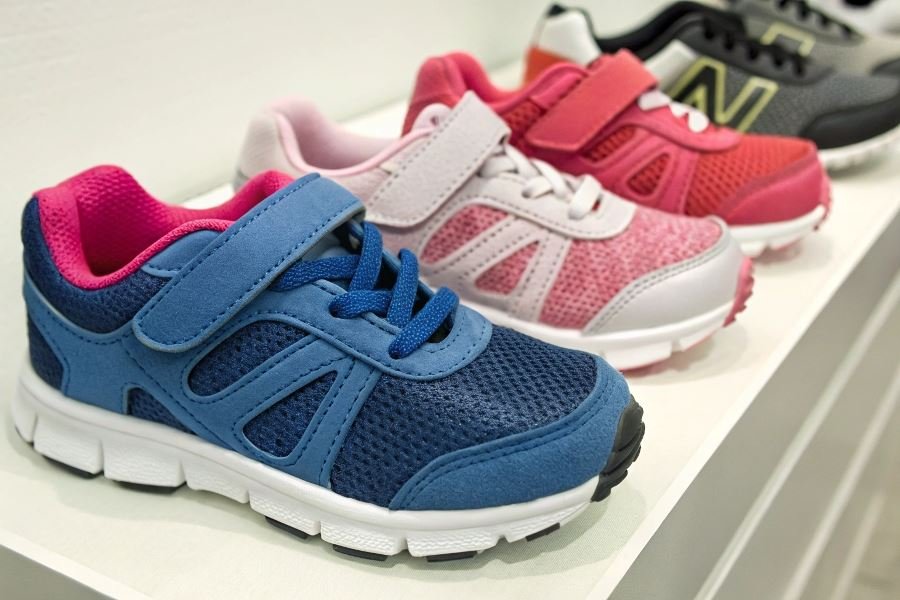
Ever watched a young athlete grimace with each step on the court? That’s not competitive spirit—that’s ill-fitting footwear sabotaging potential. The right sports shoes aren’t just an accessory; they’re the literal foundation upon which your child builds their athletic journey.
Children’s feet are architectural marvels in progress—constantly growing, developing, and forming. Unlike adult feet with their established structure, kids’ feet contain cartilage that gradually ossifies into 26 bones per foot. This development continues until approximately age 18, making proper support during these formative years absolutely critical.
The consequences of poor footwear choices extend far beyond temporary discomfort. Research from the American Academy of Pediatrics shows that improper athletic shoes can lead to stress fractures, growth plate injuries, and even long-term gait abnormalities. More immediately, they can transform what should be joyful physical activity into a painful ordeal—potentially turning kids away from sports altogether.
Selecting the right sports shoes involves navigating several key considerations: proper sizing techniques that account for growth, sport-specific design features that provide appropriate support, durability factors that withstand playground punishment, and finding that sweet spot between quality and value. The difference between “good enough” and “perfect fit” might seem subtle at the store, but becomes dramatically apparent after that first full-speed sprint or lateral cut on the playing field.
The Ultimate Guide to Children’s Athletic Footwear
Finding the perfect sports shoes for your child isn’t just about picking the cutest design or grabbing whatever’s on sale. It’s about understanding the intricate balance between support, growth accommodation, and sport-specific features that can make or break your young athlete’s performance and comfort.
When parents approach the challenge of how to choose sports shoes for a child, they often overlook critical factors that professional coaches and pediatric podiatrists consider essential. The right footwear doesn’t just prevent injuries—it can enhance performance, build confidence, and foster a lifelong love of physical activity.
Age-Appropriate Design Matters
Children’s feet aren’t simply miniature versions of adult feet—they’re structurally different and developing rapidly. This fundamental reality drives every aspect of quality youth athletic footwear design.
Toddlers (ages 1-3) need flexible, lightweight shoes with rounded toes and minimal structure. Their developing arches require shoes that allow natural foot movement rather than rigid support.
Elementary-aged children (4-8) benefit from shoes with more defined heel cups and moderate cushioning, but still maintaining significant flexibility.
Pre-teens and teenagers (9-16) require footwear that more closely resembles adult models, with proper arch support and sport-specific features.
The transition between these stages isn’t universal—always prioritize your child’s individual foot development over age guidelines.
Sport-Specific Requirements
| Sport | Key Footwear Features | Common Mistakes |
|---|---|---|
| Soccer | Low-profile cleats, lateral support | Choosing adult-style firm ground cleats for young players |
| Basketball | High ankle support, cushioned midsole | Prioritizing style over ankle protection |
| Running | Lightweight, flexible forefoot, heel cushioning | Selecting fashion sneakers instead of true running shoes |
| Tennis | Non-marking outsoles, lateral stability | Ignoring court-specific designs |
Different sports place unique demands on growing feet. Nike and Adidas offer youth-specific lines designed with sport biomechanics in mind, while specialized brands like New Balance provide width options crucial for proper fit.
The Growth Factor Equation
The thumb rule isn’t just an old wives’ tale—children genuinely need about a thumb’s width (½ inch) of space beyond their longest toe to accommodate growth without compromising support.
However, too much growth allowance creates slippage and instability. The ideal balance:
- Heel: Should fit snugly without slipping
- Midfoot: Secure but not constrictive
- Toe box: Room for growth and natural toe splaying
Many parents make the costly mistake of sizing up excessively, inadvertently creating biomechanical issues that can affect gait development.
Measurement Mastery
Accurate sizing requires more than just a quick in-store measurement. For optimal results:
- Measure late in the day when feet are naturally at their largest
- Measure both feet while standing (and fit to the larger foot)
- Consider width as crucial as length—especially for children with wide or narrow feet
- Bring the socks your child will wear during sports
- Test functionality with sport-specific movements (lateral cuts, jumps, sprints)
Digital measurement tools from retailers like Foot Locker have revolutionized the fitting process, but nothing replaces having your child try on and test shoes before purchase.
Remember that proper athletic footwear isn’t just equipment—it’s an investment in your child’s athletic development and injury prevention that pays dividends through every season.
Winning the Footwear Game: Smart Tips for Kids’ Sports Shoes
Team up with your young athlete
Getting your child involved in choosing their sports shoes isn’t just fun—it’s strategic. Kids who help select their footwear are more likely to wear them consistently and report any fit issues. For younger children (ages 4-7), offer limited choices between pre-selected options that meet your quality standards. As they reach 8-12 years, let them voice preferences on style while you focus on function. Teenagers can take more ownership, but always guide them toward proper fit over trending designs.
Wisdom kick: Shop in the afternoon when feet are naturally at their largest to ensure proper sizing throughout the day.
Quality markers that matter
The difference between quality sports shoes and subpar options often comes down to specific features:
Flexibility test: Quality children’s athletic shoes bend at the ball of the foot—not in the middle. Try the twist test: if you can wring it like a towel, it lacks proper support.
Construction details: Look for double stitching along seams, reinforced toe caps, and heel counters that don’t collapse when pressed firmly.
Material matters: Breathable mesh uppers prevent moisture buildup, while durable rubber outsoles with proper tread patterns provide traction specific to the sport.
Sport-specific considerations
| Sport | Key Features | Replacement Frequency |
|---|---|---|
| Basketball | High ankle support, cushioned midsole | Every 3-4 months of regular play |
| Soccer | Flexible forefoot, appropriate stud pattern | One season or when studs wear down |
| Running | Lightweight, cushioned heel, breathable | 300-350 miles or visible compression |
| Tennis | Non-marking outsoles, lateral support | When outsole pattern fades or upper tears |
Extending the life span
Proper maintenance dramatically extends the usability of sports shoes:
-
Rotation strategy: Having two pairs to alternate between extends the life of both by allowing compression materials to fully recover.
-
Cleaning protocol: Remove excess dirt after each use. For mesh and synthetic materials, use a soft brush with mild soap and water—never machine wash or dry.
-
Storage smarts: Keep shoes in a cool, dry place away from direct sunlight, which can break down adhesives and materials.
-
Insole replacement: Consider replacing insoles before replacing the entire shoe—this refreshes cushioning when the outer shoe still has life.
When to make the switch
Don’t wait for complaints—children often adapt to uncomfortable footwear without mentioning issues. Replace sports shoes when:
- The tread pattern has worn smooth in high-impact areas
- Midsoles show visible compression lines or feel noticeably less supportive
- Upper materials have stretched or torn
- Your child has grown approximately half a size
- The heel counter no longer holds its shape firmly
Most importantly, if your child mentions discomfort or you notice changes in their gait or posture during activity, it’s time for new footwear—regardless of the shoe’s apparent condition.
Remember that investing in quality sports shoes isn’t just about performance—it’s about protecting developing feet from potential long-term issues that could sideline your young athlete.