
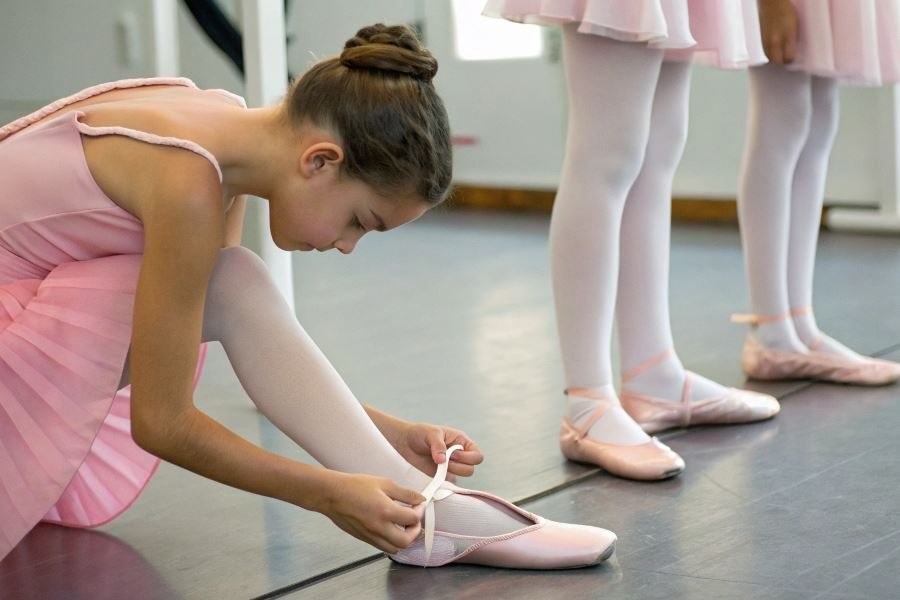
Ever watched a young athlete grimace with each step, their potential limited not by talent but by what’s on their feet? A shocking study from the American Academy of Pediatrics found that nearly 40% of youth sports injuries involve improper footwear. This isn’t just about comfort—it’s about safeguarding your child’s athletic future.
The right sports shoes serve as the foundation for everything your young athlete accomplishes. Think of them as the technological interface between your child’s developing body and the playing surface. Quality footwear doesn’t just protect growing feet; it actively supports proper biomechanical development during those crucial formative years.
The performance equation
When children wear properly designed sports shoes, their performance improves measurably. Research shows that appropriate footwear can enhance:
- Stability during quick directional changes
- Shock absorption on hard surfaces
- Balance and proprioception (body awareness)
Injury prevention isn’t optional
The statistics are clear: children in ill-fitting or poor-quality sports shoes face up to 3x higher risk of developing overuse injuries. These aren’t just temporary setbacks—they can lead to chronic issues that follow them into adulthood.
When evaluating children’s athletic footwear, three critical factors stand above all others: proper fit (allowing for growth without excess movement), sport-specific design features, and durability that withstands the unique punishment only kids can deliver to their gear.
The Ultimate Guide to Quality Kids’ Sports Footwear
Finding the perfect sports shoes for your child can feel like navigating an obstacle course. With countless options flooding store shelves, distinguishing quality footwear from flashy imposters becomes crucial for your young athlete’s performance and safety. Parents often struggle with how to distinguish quality sports shoes for children amid marketing hype and trendy designs that may sacrifice function for fashion. Let’s dive into the essential features that separate championship-worthy kicks from the pretenders.
The Perfect Fit: More Than Just Size
The foundation of quality children’s athletic footwear starts with proper sizing. Unlike adult shoes, kids’ feet require special consideration due to their rapid growth and developing structure.
Thumb-width rule: Always ensure there’s approximately a thumb’s width of space between the longest toe and the shoe’s end.
Growth happens quickly, but resist buying shoes that are too large hoping they’ll “grow into them” – this can cause tripping, blisters, and improper gait development.
When fitting sports shoes, have your child:
- Wear the same socks they’ll use during activities
- Try shoes later in the day when feet are naturally more swollen
- Stand and walk to assess comfort in motion
- Try both shoes (feet aren’t always identical in size)
Material Matters: Durability Decoded
The materials used in children’s sports footwear directly impact both performance and longevity.
| Material Type | Benefits | Best For |
|---|---|---|
| Mesh uppers | Breathability, lightweight | Running, everyday sports |
| Leather | Durability, support | Basketball, tennis |
| Synthetic leather | Water resistance, easy cleaning | Outdoor sports |
| Rubber outsoles | Traction, shock absorption | Most activities |
Quality indicators: Look for double stitching at stress points, reinforced toe caps, and seamless construction to prevent irritation. Examine the shoe’s interior for smooth linings without rough edges that might cause blisters.
Premium materials might cost more initially but typically outlast cheaper alternatives by 2-3 times, making them more economical in the long run.
Support Systems: The Invisible Performance Enhancers
Different sports demand different levels of support and cushioning in footwear.
High-impact activities like basketball and tennis require:
- Enhanced heel cushioning
- Lateral support structures
- Reinforced ankle collars
- Firm midsole for stability
Endurance sports such as running benefit from:
- Responsive cushioning technology
- Arch support appropriate to foot type
- Heel-to-toe drop suited to running style
- Lightweight shock absorption
For younger children (ages 3-5), prioritize shoes with adequate ankle support as they’re still developing balance and coordination skills.
Flexibility and Weight: Age-Appropriate Engineering
The perfect balance between flexibility and structure varies dramatically based on your child’s age and chosen activity.
For preschoolers (ages 3-5):
- Highly flexible soles that bend easily at the ball of the foot
- Lightweight construction (under 6 oz per shoe)
- Wider toe boxes to accommodate developing feet
For elementary-age children (6-10):
- Moderate flexibility with some structure
- Strategic support in key areas
- Weight proportional to activity needs
For pre-teens and teenagers (11+):
- Sport-specific flexibility patterns
- Advanced support systems
- Weight optimized for performance
The shoe should move with your child’s foot, not against it. Quality footwear bends where the foot naturally bends and provides stability where needed.
Remember that investing in proper sports footwear isn’t just about performance—it’s about protecting developing bones and preventing injuries that could sideline your young athlete. When quality meets proper fit, your child gains the foundation they need to thrive in any sport they choose.
Smart Steps for Lasting Footwear Decisions
Quality indicators that matter most
When selecting sports shoes for your child, remember that quality isn’t just about brand names—it’s about construction fundamentals. The best athletic footwear combines proper arch support, shock absorption, and breathable materials. Look for reinforced toe caps and heel counters that maintain their shape when pressed. Quality stitching with no loose threads and even glue application indicate careful manufacturing processes.
Weight distribution matters tremendously—quality shoes balance protection without unnecessary bulk. The outsole should flex at the ball of the foot, not the middle, mimicking natural foot movement. Many parents overlook this crucial detail, but it’s what separates truly functional footwear from merely decorative options.
The difference between adequate and exceptional children’s sports shoes often comes down to how they handle impact forces—something you can’t see but your child will definitely feel.
Investment that pays dividends
Spending more upfront on quality athletic footwear creates substantial long-term benefits. Premium shoes typically last 2-3 times longer than budget alternatives, making them more economical over time despite higher initial costs. More importantly, proper footwear supports healthy foot development during crucial growth years.
Children wearing appropriate sports shoes experience:
- Fewer foot and ankle injuries
- Better posture development
- Increased comfort during physical activity
- More consistent athletic performance
The American Podiatric Medical Association reports that proper footwear during childhood can prevent numerous foot problems in adulthood. This preventative aspect represents perhaps the most valuable return on your investment—helping establish healthy movement patterns that last a lifetime.
Extending footwear lifespan
Quality shoes deserve quality care. Implement these maintenance practices to maximize your investment:
| Maintenance Task | Frequency | Benefits |
|---|---|---|
| Air dry after use | After each wear | Prevents odor and material breakdown |
| Hand wash with mild soap | Monthly or when visibly dirty | Preserves materials and adhesives |
| Rotate between pairs | Every other day when possible | Allows complete drying and reduces wear patterns |
| Replace insoles | Every 6-8 months of regular use | Maintains cushioning and support |
Never machine wash or dry quality athletic shoes—this dramatically accelerates material degradation. Instead, remove excess dirt with a soft brush, then clean with a damp cloth and mild soap. For stubborn odors, sprinkle baking soda inside overnight rather than using harsh chemicals that can break down supportive materials.
Store shoes in a cool, dry place away from direct sunlight, which can weaken adhesives and cause materials to warp or fade. For seasonal storage, stuff shoes with acid-free paper to help maintain their shape.
By combining informed purchasing decisions with proper maintenance, you’re not just buying footwear—you’re investing in your child’s comfort, performance, and long-term foot health. The right shoes, properly maintained, become reliable partners in your child’s active lifestyle journey.