
Ever watched a child sprint across a playground in ill-fitting shoes? Their natural grace transforms into an awkward shuffle, and that boundless energy? Gone. The right footwear isn’t just about comfort—it’s the foundation for your child’s athletic future.
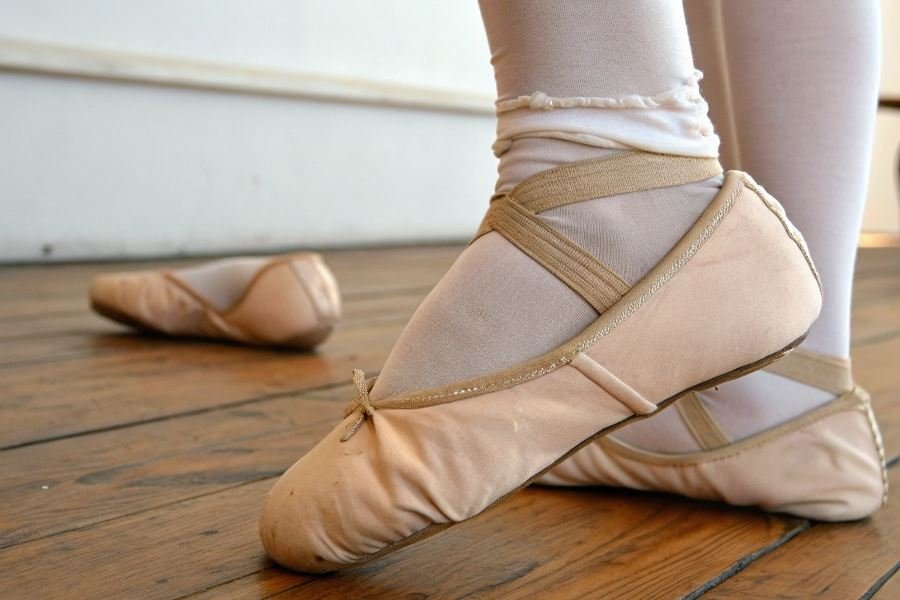
Sports ballet flats have revolutionized how children move during physical activities. Unlike traditional athletic shoes that can be bulky and restrictive, these specialized flats combine the flexibility of dance footwear with the support needed for developing feet. They’re not just smaller versions of adult shoes; they’re engineered specifically for growing bodies.
The developmental stakes are high. Children’s feet contain soft cartilage that gradually ossifies into bone—a process continuing until late teens. Proper support during these formative years prevents issues like flat feet, pronation problems, and even posture complications that can follow them into adulthood.
What separates quality sports ballet flats from ordinary shoes? Look for these critical features:
- Flexible soles that allow natural foot movement while providing necessary support
- Breathable materials to prevent moisture buildup and blisters
- Secure closures that keep the foot properly positioned without restricting circulation
- Lightweight design that doesn’t fatigue young muscles
Measuring for the perfect fit
Finding the right size requires more than just the standard shoe store measurement. For optimal fit:
- Measure at day’s end when feet are slightly larger
- Have your child stand with weight distributed evenly on both feet
- Allow 0.5 inches of growth room from the longest toe
- Check width by ensuring no bulging occurs at the sides
Remember: children’s feet grow rapidly—sometimes gaining a full size in just 3-4 months. Regular measurement is your secret weapon for keeping their development on track.
Finding the Perfect Sports Ballet Flats for Your Child
When it comes to children’s footwear, the right balance of comfort, support, and durability can make all the difference in their physical development and activity levels. The best sports ballet flats for children of different ages need to address specific developmental needs while standing up to the unique challenges each age group presents. Let’s dive into the top performers that have consistently impressed both parents and young athletes alike.
Tiny Dancers: Top Picks for Toddlers (2-4 Years)
Toddlers require flexible yet supportive footwear that accommodates their developing feet while providing stability for those wobbly first steps and eventual runs.
-
Stride Rite Soft Motion Esme – These ballet-inspired athletic shoes feature rounded edges to decrease stumbles and a memory foam footbed that molds to tiny feet. The seamless construction prevents irritation, while the rubber outsole offers just enough traction without being too rigid. ($49.95)
-
Pediped Flex Betty – With a genuine leather upper and breathable mesh lining, these shoes grow with your child thanks to their removable insole system. The diamond-pattern tread provides excellent grip for playground adventures. ($54.00)
-
See Kai Run Sophia – Featuring an extra-wide toe box that allows for natural toe splaying and foot development, these shoes combine the elegance of ballet flats with athletic functionality. The padded collar prevents ankle irritation during active play. ($48.00)
Elementary Essentials: Best Choices for Ages 5-9
Elementary school children need more durable options that can withstand recess, physical education classes, and after-school activities.
| Model | Key Features | Price |
|---|---|---|
| Bloch Pulse | Lightweight mesh upper, non-marking sole, cushioned arch support | $39.99 |
| Capezio Hanami | Canvas construction, split-sole design, moisture-wicking lining | $45.00 |
| Nike Dynamo Free | Slip-on design, collapsible heel, flexible grooved outsole | $55.00 |
The Bloch Pulse offers exceptional breathability for active feet, while the Capezio Hanami provides superior flexibility for children who transition between dance and sports. Nike’s Dynamo Free stands out with its innovative design that makes independent shoe-wearing a breeze for this age group.
Teen Territory: Superior Options for Ages 10-16
Pre-teens and teenagers need sports ballet flats that combine performance features with style considerations as they become more conscious of their appearance.
-
Adidas Cloudfoam Pure – These sleek, minimalist shoes feature memory foam sockliner and Cloudfoam cushioning that delivers exceptional comfort during extended wear. The knit upper provides a sock-like fit that appeals to style-conscious teens. ($70.00)
-
Skechers Go Walk Joy – With responsive 5Gen® cushioning and a high-rebound insole, these lightweight slip-ons provide excellent energy return for active teens. The mesh fabric upper keeps feet cool during intense activity. ($65.00)
-
Under Armour Charged Pursuit 2 – Though more athletic in appearance, these shoes maintain the lightweight, flexible feel of ballet flats while offering superior cushioning through UA’s Charged Cushioning® technology. The engineered mesh upper zones provide strategic breathability. ($75.00)
When selecting sports ballet flats for your child, remember that proper fit trumps all other considerations. A thumb’s width of space between the longest toe and shoe end ensures room for growth without compromising support. The right pair will encourage activity while protecting developing feet through every cartwheel, sprint, and playground adventure.
Making the Right Choice in Sports Ballet Flats for Children
Finding the perfect sports ballet flats for your child isn’t just about picking the right size—it’s about understanding when and how to use them, maintaining them properly, and knowing when it’s time for a replacement. Let’s dive into these crucial considerations that will help your young dancer perform their best while staying comfortable and injury-free.
Adapting to seasons and activities
Sports ballet flats requirements change dramatically with the seasons. During summer months, breathable mesh-enhanced flats prevent overheating and reduce moisture buildup that can lead to blisters. Many parents don’t realize that summer dance intensives can involve 6+ hours of daily wear, making ventilation critical.
For winter training, look for slightly thicker canvas options with insulating properties. Bloch and Capezio both offer seasonal variations designed specifically for temperature regulation.
Activity matching matters too! Competition flats should offer more support than practice pairs. For performances, many instructors recommend a fresh pair with optimal grip and appearance.
“The right seasonal ballet flat can make the difference between a comfortable practice and a miserable one. Children’s feet are particularly sensitive to temperature extremes.”
Extending the lifespan through proper care
The average sports ballet flat lasts 3-6 months with regular use, but proper maintenance can significantly extend this timeframe:
| Maintenance Task | Frequency | Benefits |
|---|---|---|
| Hand washing | Bi-weekly | Preserves fabric integrity, removes sweat buildup |
| Air drying | After each use | Prevents mildew and odor development |
| Rotation system | Daily | Extends lifespan by 40-60% |
| Spot cleaning | As needed | Maintains appearance between washes |
Never machine wash or dry sports ballet flats! The agitation breaks down essential support structures and can warp the shape. Instead, use lukewarm water with mild soap, gently scrubbing with a soft brush.
For canvas flats, a mixture of baking soda and water creates an effective paste for removing stubborn stains without damaging the material. Allow them to dry completely before the next use—stuffing with newspaper accelerates drying while maintaining shape.
Recognizing replacement signals
Children’s sports ballet flats need replacement more frequently than adults’ due to both growth and wear patterns. Watch for these telltale signs:
-
Visible sole wear – When the sole thins unevenly or develops holes, it’s time for replacement regardless of appearance.
-
Elastics losing tension – Once elastics stretch out, they no longer provide proper support, potentially leading to ankle instability.
-
Growth-related fit issues – Children typically need new sizes every 3-4 months during growth spurts. Too-tight flats can cause toe compression and nail problems.
-
Structural breakdown – If the heel counter collapses or the arch support flattens, performance and safety are compromised.
Don’t wait for complete failure before replacing. Transitioning between pairs gradually allows for proper breaking-in without disrupting training progress. Many professional dance instructors recommend having two pairs in rotation—this practice not only extends the life of each pair but ensures your child always has a backup for important classes or performances.
Remember that proper fitting sports ballet flats are an investment in both performance and injury prevention. The $20-40 spent on quality replacements when needed is minimal compared to the potential cost of addressing foot problems that develop from worn-out footwear.