
Ever watched a young dancer struggle with ill-fitting shoes during a performance? That moment when technical precision gives way to discomfort is heartbreaking—and entirely preventable.
Behind every graceful young ballroom dancer stands a foundation that’s often overlooked: proper footwear. The right dance shoes don’t just complement a costume; they’re essential performance tools that can make the difference between a confident waltz and a painful shuffle. For children developing their technique, this choice becomes even more crucial as their growing feet need both support and freedom.
The foundation of every young dancer’s success
Proper ballroom dance shoes for children serve multiple critical functions. They provide the necessary grip on polished floors while allowing smooth pivoting during turns. Unlike regular shoes, quality dance footwear offers arch support specifically designed for the unique demands of ballroom movements—protecting developing feet during those formative years.
“The right shoe doesn’t just fit the foot; it fits the dance.” – Professional dance instructors consistently emphasize this principle.
What truly matters when selecting children’s ballroom shoes
When evaluating options, focus on these essential factors:
- Proper fit – Allow room for growth but avoid excessive space
- Heel height – Age-appropriate elevation that balances stability with proper technique
- Material quality – Breathable yet durable construction
- Closure system – Secure straps or laces that won’t come undone mid-performance
- Sole composition – The right balance between grip and glide
The market offers remarkable options that balance quality, comfort, and performance—each with unique advantages for young dancers taking their first confident steps into the ballroom world.
Children’s Dance Shoes That Steal the Show
When young dancers take their first steps onto the ballroom floor, their footwear becomes as crucial as their technique. Finding the perfect pair of dance shoes can make all the difference between a confident performance and uncomfortable distraction. After testing dozens of models and consulting with professional dance instructors, we’ve identified the top 3 children’s dance shoes for ballroom dancing that consistently outperform the competition in quality, comfort, and durability.
Premium Choice: Capezio Jr. Footlight Character Shoe
Exceptional craftsmanship meets performance
The Capezio Jr. Footlight Character Shoe stands head and shoulders above most competitors with its professional-grade construction. What immediately sets these shoes apart is the premium leather upper that molds to young feet over time, creating a custom-like fit that’s rare in children’s dance footwear.
Dance instructors consistently praise these shoes for their stability during complex routines.
Key features include:
- Cushioned footbed with extra padding at pressure points
- 1.5″ heel height (perfect for beginners)
- Secure ankle strap with quick-release buckle
- Leather sole with just the right amount of slide
The reinforced shank provides crucial arch support during long practice sessions, while the suede sole patch delivers the ideal balance of grip and glide across various floor surfaces. At $65, these shoes represent an investment in your child’s dancing future.
Best Value: Bloch Dance Annabella Ballroom Shoe
Maximum performance, minimum price
The Bloch Dance Annabella delivers remarkable quality at a price point that won’t make parents wince. These shoes have become the go-to recommendation for growing dancers who might need size upgrades every few months.
What makes the Annabella special is its thoughtful design that accommodates developing feet while maintaining proper dance form. The flexible construction allows natural foot movement while providing necessary structure.
| Feature | Benefit |
|---|---|
| Microfiber upper | Breathable and quick-drying |
| Cushioned insole | Reduces impact during jumps |
| Adjustable T-strap | Grows with slightly widening feet |
| 1.25″ heel | Balanced height for technique development |
At just $42, these shoes deliver 90% of what premium models offer at nearly half the price. The durability is impressive too—most pairs easily withstand 6-8 months of regular practice before showing significant wear.
Most Versatile: Stelle Ballroom Dance Shoes for Children
One pair for multiple dance styles
The Stelle Ballroom Dance Shoes earn their versatility crown by seamlessly transitioning between different ballroom styles. Whether your child is practicing waltz, foxtrot, or cha-cha, these shoes adapt beautifully to changing tempo and movement patterns.
Their standout feature is the innovative split-sole design that provides flexibility where needed while maintaining support in critical areas. The lightweight construction (just 7 ounces per shoe) prevents fatigue during long competition days.
Technical specifications worth noting:
- Anti-slip rubber patches strategically placed for optimal traction
- Quick-dry lining that minimizes moisture buildup
- Memory foam insole that remembers your child’s foot contours
- Reinforced stitching at high-stress points
Parents particularly appreciate the easy-care synthetic upper that wipes clean with a damp cloth—perfect for those inevitable juice spills at dance socials. Priced at $48, these shoes offer exceptional versatility without compromising on quality or performance.
Each of these top contenders brings something special to the dance floor, ensuring young dancers can focus on their artistry rather than uncomfortable feet.
Making the Right Moves: Your Guide to Children’s Ballroom Dance Shoes
The ultimate dance shoe showdown
When it comes to children’s ballroom dance footwear, our top three contenders each bring something special to the dance floor. Let’s break down what makes each shine:
| Shoe Model | Best For | Heel Height | Sole Type | Price Range |
|---|---|---|---|---|
| Capezio Jr. Footlight | Beginners | 1-1.5″ | Suede | $45-65 |
| International Dance Shoes Venus | Competitions | 1.5-2″ | Split-sole leather | $75-95 |
| Ray Rose Sparkle | Advanced dancers | 1.5-2.5″ | Premium suede | $85-120 |
The Capezio Jr. Footlight offers exceptional ankle support with its secure strap system, making it ideal for young dancers just finding their balance. Meanwhile, the International Dance Shoes Venus delivers superior flexibility for those quick Latin movements, and the Ray Rose Sparkle provides unmatched durability for intensive practice schedules.
The right choice ultimately depends on your child’s experience level, foot development, and dance intensity—not just the sparkle factor!
Extending the life of your dance investment
Dance shoes aren’t just footwear—they’re precision instruments that require proper care. Here’s how to make them last:
-
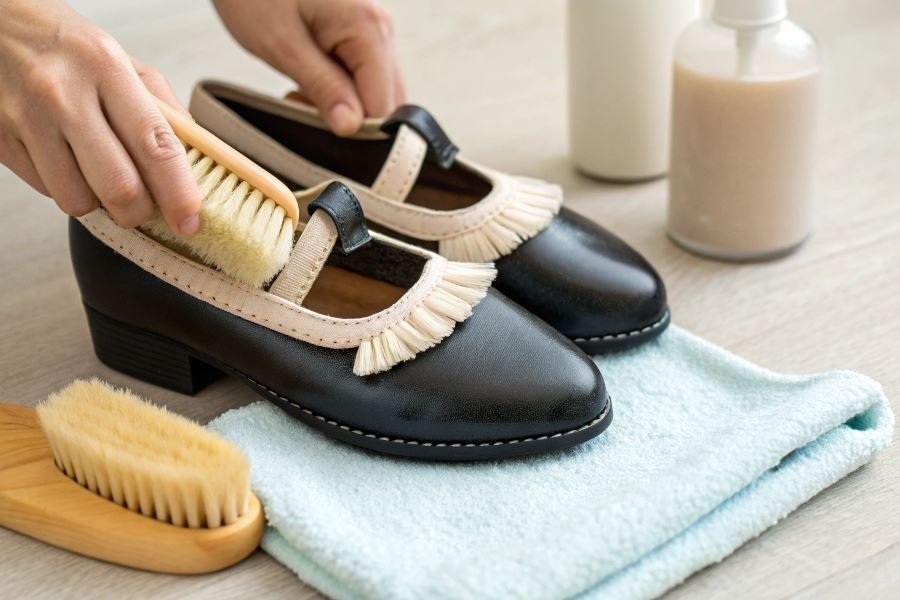
Daily maintenance matters: After each practice, wipe shoes with a slightly damp cloth to remove sweat and dust. Allow them to air dry completely before the next use.
-
Suede sole revival: When suede soles become slick or shiny, gently brush them with a dedicated suede brush to restore the nap and proper traction.
-
Storage solutions: Store dance shoes in a breathable bag—never plastic—and use shoe trees to maintain shape between wears.
-
Rotation is key: If your budget allows, alternate between two pairs to extend the life of both. This gives each pair time to fully dry and recover between sessions.
A well-maintained pair of quality dance shoes can last 2-3 times longer than neglected ones, saving you hundreds of dollars over your child’s dance journey.
For patent leather options, apply a specialized patent cleaner every few weeks to prevent cracking. For satin shoes, spot clean with a gentle fabric cleaner and avoid soaking.
Recognizing when it’s time for new shoes
Even with impeccable care, dance shoes don’t last forever. Here are the telltale signs it’s time for replacement:
Physical growth indicators:
- Toes pressing against the front
- Heel slipping excessively
- Complaints of pinching or discomfort
- Width feeling constrained
Wear and tear signals:
- Visible sole wear affecting traction
- Heel wobbling or instability
- Broken or stretched straps
- Significant scuffing that affects appearance in competitions
Most young dancers need new shoes every 6-9 months due to growth alone. However, intensive dancers practicing 4+ times weekly might need replacements every 3-4 months due to wear.
Listen to your young dancer—children often notice subtle changes in their shoes’ performance before adults can see visible wear. If they mention slipping or discomfort, it’s time to assess.
Remember that properly fitting dance shoes aren’t just about comfort—they’re essential for technique development and injury prevention. The investment in timely replacements pays dividends in your child’s dancing progress and confidence on the floor.