
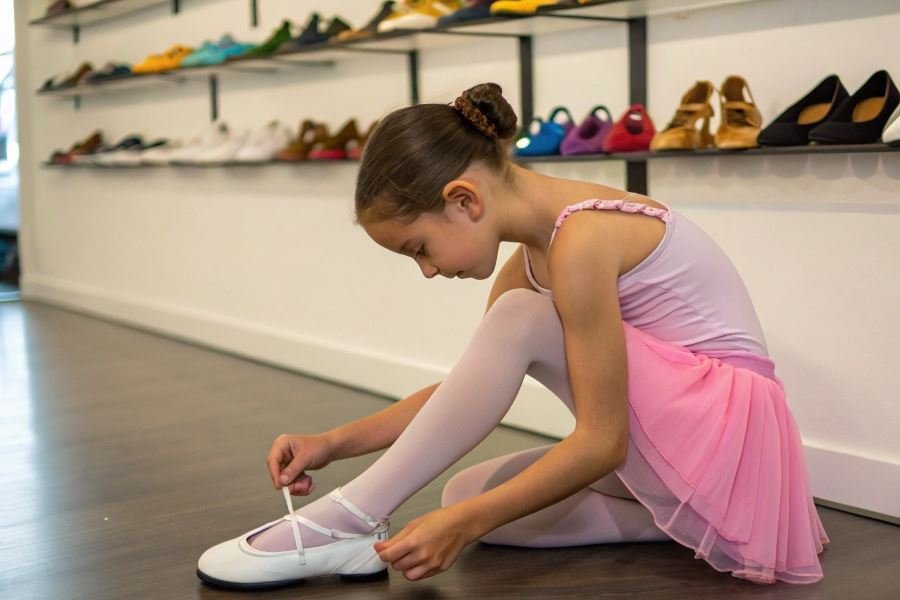
Did you know that 68% of dance-related injuries in children stem from ill-fitting footwear? That statistic alone should have every parent reaching for the measuring tape before their next dance shoe purchase.
When your child takes those first graceful steps across the studio floor, what they wear on their feet matters more than you might think. Dance shoes aren’t just miniature versions of adult footwear—they’re specialized equipment designed to enhance performance while protecting developing feet. The right fit can be the difference between your young dancer floating across the floor or struggling with painful blisters and potential injuries.
Different dance styles demand different footwear solutions. Ballet requires snug-fitting slippers that allow for proper pointing of the feet, while tap shoes need enough room for ankle flexibility without slipping. Jazz shoes should fit like a second skin, and hip-hop often calls for specialized sneakers with the right amount of grip and pivot points.
The home measuring toolkit doesn’t need to be complicated. Gather a piece of paper, a pencil, a ruler, and a measuring tape. These simple tools will help you capture the essential measurements: foot length, width, and arch height. For the most accurate results, measure in the afternoon when feet are naturally at their largest.
Remember: children’s feet grow rapidly—sometimes gaining a full size in just a few months. What fits perfectly in September might be painfully tight by December. Establishing a regular measuring routine ensures your child’s dance shoes support rather than restrict their developing technique.
“The right dance shoe should feel like an extension of the foot, not a constraint on it.” – Professional dance instructors agree this principle applies to dancers of all ages.
Finding the Perfect Fit: Dance Shoe Sizing for Growing Feet
Let’s face it—nothing ruins a child’s dance experience faster than ill-fitting shoes! Whether your young dancer is taking their first ballet steps or perfecting their tap routine, proper shoe sizing is absolutely critical. The right fit doesn’t just prevent discomfort; it enhances performance, prevents injuries, and helps develop proper technique from day one.
Determining the correct size of dance shoes for a child requires precision and understanding of how dance footwear differs from everyday shoes. Unlike regular footwear, dance shoes need to fit like a second skin while still allowing for proper foot development. This delicate balance makes measuring and fitting a bit of an art form—one that pays dividends in your child’s dance journey.
Measuring Like a Pro
Getting accurate measurements is your foundation for success. Here’s how to nail it:
- Measure late in the day when feet are naturally at their largest
- Have your child stand with weight evenly distributed
- Measure both feet (most children have one foot slightly larger)
- Record three key measurements:
- Length (heel to longest toe)
- Width (widest part of foot)
- Arch length (heel to ball of foot)
Pro tip: Use a proper foot measuring device or trace the foot on paper and measure the tracing for greater accuracy.
For ballet shoes specifically, the arch measurement is crucial as it determines where the shoe will bend with the foot during relevés and pointe work preparation.
Navigating Size Charts Like an Expert
Dance shoe sizing can feel like learning a foreign language! Different brands and styles use different systems:
| Dance Style | Sizing System | Common Brands | Typical Fit |
|---|---|---|---|
| Ballet | European | Bloch, Capezio | Snug, no extra room |
| Tap | American | So Danca, Theatricals | Room for toes to lie flat |
| Jazz | Varies | Sansha, Balera | Glove-like fit |
When using conversion charts, remember that a US size 13 child might be a 31 in European sizing or a 12.5 in UK sizing. Always refer to the specific brand’s size chart rather than relying on general conversion tables.
The Growth Factor
Children’s feet grow rapidly—approximately half a size every 2-3 months for younger children! This creates a unique challenge:
Too small: Restricts movement, causes pain, and can lead to foot problems
Too large: Compromises support, causes blisters, and affects technique
Finding the sweet spot means:
- Allow 1/4 to 1/2 inch growth room for styles that permit it (tap, jazz)
- Test the fit by having your child relevé (rise to the balls of their feet)
- Check for compression around the widest part of the foot
- Observe the heel for slippage when walking
For ballet slippers, a slight “scrunch” in the leather is normal and preferable to excess material. For tap shoes, ensure there’s just enough room for toes to lie flat without sliding forward during shuffles and flaps.
Remember that different dance styles have different fitting requirements. Ballet shoes should fit like a glove, while character shoes might need a bit more room for growth. By mastering these measurement techniques and understanding size charts, you’ll ensure your young dancer can focus on their art rather than their aching feet!
Growing Feet, Growing Needs: When to Update Your Child’s Dance Shoes
Every young dancer knows the thrill of perfectly fitting dance shoes—they’re not just footwear, they’re performance tools. But children’s feet grow with alarming speed, and yesterday’s perfect fit can quickly become today’s uncomfortable constraint. Recognizing when dance shoes have outlived their usefulness isn’t just about comfort—it’s about protecting developing feet and maximizing performance potential.
Unmistakable signs your child has outgrown their dance shoes
The body has a remarkable way of communicating when something isn’t right, and dance shoes are no exception. Watch for these telltale indicators:
- Visible compression marks on feet after removing shoes
- Complaints of pinching or pain during or after class
- Toes pressing against the front edge of the shoe
- Heels slipping out when executing movements
- Blisters or calluses forming in new locations
- Decreased technical execution of previously mastered steps
Perhaps the most definitive test is the “thumb test”—there should be approximately a thumb’s width of space between the longest toe and the shoe end. When this space disappears, so does proper foot function.
The right dance shoe disappears on the foot. The wrong one announces itself with every step.
Ballet shoes that bunch at the toes, tap shoes that prevent clear sounds, or jazz shoes that restrict pointing—these aren’t just annoyances, they’re developmental roadblocks that can lead to improper technique formation.
The growth chart reality check
Children’s feet grow at astonishing rates, particularly during key developmental periods:
| Age Range | Average Growth Rate | Recommended Measuring Frequency |
|---|---|---|
| 1-3 years | 1/2 size every 2-3 months | Every 2 months |
| 3-5 years | 1/2 size every 3-4 months | Every 3 months |
| 5-8 years | 1/2 size every 4-6 months | Every 4 months |
| 8-12 years | 1/2 size every 6 months | Every 4-6 months |
| 12+ years | Varies significantly | Every 6 months |
These are averages—growth spurts can accelerate these timelines dramatically. Establishing a regular measuring routine prevents the “surprise” of suddenly outgrown shoes before important performances.
Many professional dance studios recommend formal measurement every three months for children under 10, and every six months for older children. However, monthly at-home checks using a simple measuring tape can catch rapid changes between professional fittings.
The financial choreography of growing feet
The financial reality of replacing dance shoes frequently can be daunting. A strategic approach balances proper fit with budget considerations:
Smart investment strategies:
- Purchase adjustable designs when possible (some ballet slippers offer growth room)
- Consider slightly roomier fit (without compromising security) for styles used in less technical classes
- Establish shoe-sharing networks with other dance families
- Watch for seasonal sales at specialty retailers like Capezio or Bloch
When to absolutely replace, no exceptions:
- When shoes affect technique execution
- When pain or discomfort occurs
- When safety is compromised (especially in pointe, tap, or character shoes)
Remember that investing in properly fitting dance shoes isn’t just about comfort—it’s about preventing potential injuries that could sideline a dancer for weeks or months, ultimately costing far more than replacement footwear.
The most successful dance families build shoe replacement into their regular budget, treating it as an expected part of the dance journey rather than an unwelcome surprise. With proper planning, your young dancer can always have the foundation they need to leap, turn, and shine.