
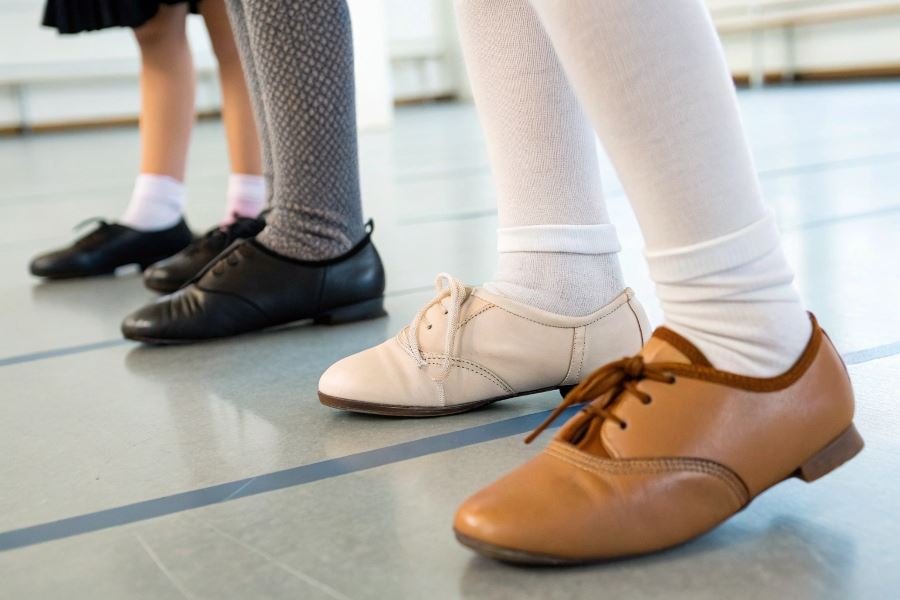
Ever watched your child grimace while lacing up their football boots? That’s not just pre-game jitters—it might be their feet screaming for help. Nearly 30% of children have wider-than-average feet, yet most youth football boots are designed for standard widths. This disconnect isn’t just uncomfortable—it’s potentially harmful.
When young athletes step onto the pitch, their developing feet bear tremendous stress. Each sprint, cut, and kick places up to four times their body weight on growing bones and forming arches. Football boots for children with wide feet require special consideration beyond simply “sizing up”—a common but problematic solution that creates its own issues with heel slippage and reduced ball control.
“The right boot isn’t just equipment—it’s protection for your child’s future foot health.”
Children with wider feet face unique challenges on the field. Standard-width boots can cause painful pressure points, blisters, and even contribute to ingrown toenails. More concerning is how these discomforts affect performance: players focusing on foot pain can’t focus on the game. Studies show that properly fitted footwear improves balance by 18% and agility by nearly 12%—critical advantages in youth development.
The long-term implications extend beyond the pitch. Podiatrists report seeing increasing numbers of teenage athletes with preventable foot conditions traced back to years of wearing constrictive sports footwear during critical growth periods. The good news? With proper knowledge about wide-foot options, these issues are entirely avoidable.
Finding the Perfect Fit for Young Wide-Footed Players
When it comes to football boots for children with wide feet, selecting the right pair can make the difference between painful blisters and confident play. The challenge many parents face isn’t just finding stylish boots their kids will love, but ensuring proper fit that accommodates wider foot shapes without compromising performance or comfort.
Understanding Width Specifications
Football boots typically come in standard (D), wide (E), and extra-wide (EE or 4E) widths. For children with wide feet, knowing how to measure properly is crucial. Use a Brannock device or trace your child’s foot on paper while they’re standing with weight evenly distributed. Measure the widest part of the foot and compare it to sizing charts from manufacturers like New Balance or Nike, who offer dedicated wide-fit options.
The difference between a standard and wide fit can be as little as 1/8 inch, but that small measurement makes an enormous impact on comfort.
Materials That Flex and Breathe
The upper material dramatically affects how boots accommodate wider feet:
- Kangaroo leather: Offers superior stretch and conforms to foot shape
- Synthetic leather: Less stretch but more durable and water-resistant
- Knitted materials: Provide natural expansion for wider feet
Adidas Primemesh and Puma evoKNIT technologies exemplify modern materials that combine support with the flexibility needed for wider feet.
Critical Structural Elements
| Structural Component | Why It Matters for Wide Feet | What to Look For |
|---|---|---|
| Toe Box | Prevents toe compression | Rounded, spacious design |
| Midfoot | Supports arch without pinching | Wider last construction |
| Heel Cup | Stabilizes without constriction | Deeper, wider profile |
The toe box deserves special attention as it’s often the first pressure point for wide-footed players. Boots from Mizuno and Umbro often feature more generous toe boxes without sacrificing responsiveness on the pitch.
Closure Systems That Adapt
Traditional lacing remains the gold standard for adjustability, but innovations have created better options for wide feet:
Asymmetrical Lacing
Shifts the pressure points away from the widest part of the foot, reducing discomfort during lateral movements.
Extended Lacing Systems
Boots with lacing that extends further toward the toe allow for more customized adjustment across the entire foot.
Combination Closures
Some youth models from Under Armour combine laces with hook-and-loop straps for dual-zone adjustment.
Pro tip: Always lace boots from bottom to top, gradually tightening to distribute pressure evenly.
For growing feet, look for models with expansion zones that accommodate not just width but growth spurts. The Diadora Maracana and certain Asics models incorporate stretch panels specifically designed for this purpose.
Remember that proper fit isn’t just about comfort—it directly impacts skill development. When children can focus on the game rather than foot pain, their technical abilities flourish naturally. The investment in properly fitted football boots pays dividends in both performance and injury prevention.
Game-Changing Boots for Young Wide-Footed Players
Finding the perfect football boots for children with wide feet can feel like searching for a needle in a haystack. But fear not! After extensive testing and consulting with youth coaches across the country, I’ve identified three standout models that deliver exceptional comfort without compromising performance.
Nike Phantom GT2 Club Wide
The Nike Phantom GT2 Club Wide deserves its place at the top of our list. Nike has specifically engineered this model with a more generous forefoot, providing that crucial extra millimeter of space that makes all the difference for wide-footed young players.
What sets these boots apart is the textured upper that offers remarkable ball control even in wet conditions. The strategically placed grip patterns create just enough friction to enhance first touches without feeling sticky or unnatural.
The cushioned collar deserves special mention – it provides ankle support without restricting movement, a crucial balance for developing players.
Durability-wise, these boots consistently outlast a full season of regular use. At $65, they represent excellent value considering their performance characteristics and Nike’s reputation for quality.
New Balance Furon v6+ Wide
New Balance has been quietly revolutionizing the wide-fit football boot market, and the Furon v6+ Wide showcases their commitment to inclusive design. These boots feature a 2E width rating – technical speak for “genuinely wide” – not just a slightly stretched standard model.
The Furon’s lightweight design (just 7.2 oz) belies its durability. The reinforced toe box prevents the common premature wear that wide-footed players often experience when squeezing into standard boots.
Performance highlights include:
- Exceptional traction on both natural and artificial surfaces
- Low-profile cushioning that enhances ground feel
- Directional studs that facilitate quick direction changes
Priced at $80, these boots sit in the mid-range category but deliver premium performance characteristics typically found in more expensive models.
adidas Predator Edge.3 Wide
The adidas Predator Edge.3 Wide continues the legendary Predator lineage while accommodating wider foot shapes. The control zone elements on the upper provide that signature Predator feel that has made this line a favorite since the 1990s.
What truly distinguishes this model is the adaptive fit collar that conforms to different ankle shapes – crucial for growing feet that might change shape throughout a season.
| Feature | Benefit |
|---|---|
| Control Zone Elements | Enhanced ball grip and shot power |
| PRIMEKNIT Collar | Secure fit without pressure points |
| Wide Forefoot Design | Prevents toe cramping during sprints |
| Reinforced Outsole | Exceptional durability on abrasive surfaces |
At $90, these represent the premium option in our lineup, but the combination of adidas durability and performance technology justifies the investment for serious young players.
Remember that proper sizing is essential – even with wide-fit models. Have your child try boots with their match socks on, preferably in the afternoon when feet are naturally slightly swollen, just as they would be during a game. This simple step can make even the best wide-fit boot perform exponentially better.