
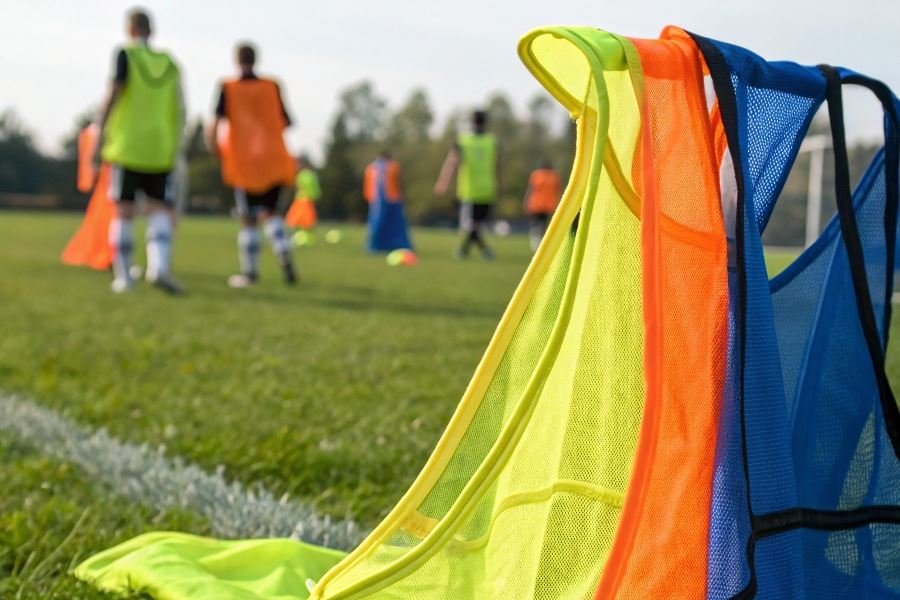
Ever watched a professional football training session and noticed those vibrant, sometimes neon vests dividing players into teams? Those aren’t just random fashion statements—they’re strategic tools that can make or break effective practice sessions. The difference between chaotic kickabouts and precision training often comes down to these simple garments.
Training vests (or bibs as they’re called in some regions) serve as the visual foundation for organized football practice. They transform individual players into cohesive units, allowing coaches to implement tactical systems and players to instantly recognize teammates during high-intensity drills. The best teams in the world, from Premier League champions to World Cup winners, rely on quality vests to maximize every minute of practice time.
When selecting training vests for your team, three factors stand above all: visibility, durability, and comfort. Bright, contrasting colors ensure split-second recognition during fast-paced scenarios. Materials matter tremendously—breathable, moisture-wicking fabrics keep players focused on their performance rather than their discomfort, especially during summer training sessions.
“The right training vest might seem like a small detail, but it’s often what separates efficient practices from wasted time on the pitch.” – Professional football coach
Quality vests directly impact training efficiency by reducing confusion and increasing tempo. Teams using well-designed, properly sized vests typically experience fewer interruptions, clearer communication, and ultimately, more effective skill development. The investment pays dividends through sharper passing sequences, more organized defensive drills, and ultimately, better match-day performance.
Essential Factors for Choosing Football Training Vests
When practice intensity ramps up and team drills begin, quality training vests become your unsung heroes on the field. These seemingly simple garments can significantly impact training effectiveness, team organization, and even player performance.
The process of how to choose football training vests requires attention to several critical factors that many coaches and players overlook. The right vest doesn’t just separate teams—it withstands countless training sessions, fits properly without restricting movement, and creates clear visual distinction during high-intensity drills. Let’s break down what truly matters when selecting these essential training tools.
Material That Withstands the Battle
Training vests face brutal conditions: sweat, stretching, tugging, and repeated washing cycles. Premium options typically feature polyester mesh construction—lightweight enough for comfort while durable enough for season after season of intense use.
Breathability factors should top your priority list. Mesh panels allow air circulation during those grueling summer training sessions when heat management becomes crucial for performance.
Look for reinforced stitching at stress points—particularly around the shoulders and sides where most pulling occurs during competitive drills.
| Material Type | Advantages | Best For |
|---|---|---|
| Polyester Mesh | Lightweight, quick-drying, durable | Year-round training |
| Nylon Blend | Superior strength, water-resistant | Rough play, wet conditions |
| Eco-Friendly Recycled | Sustainable, often moisture-wicking | Environmentally conscious programs |
Perfect Fit for Peak Performance
Nothing hampers training effectiveness like ill-fitting vests that constantly need adjustment. The best training vests feature:
- Elastic side panels that accommodate different body types
- Adjustable straps for customized fit
- Length considerations that prevent riding up during sprints
Most manufacturers offer adult sizes in S/M and L/XL configurations, while youth sizes typically come in standard junior dimensions. Teams with diverse player builds should consider adjustable options rather than one-size-fits-all solutions.
The difference between a properly fitted training vest and a poor one becomes apparent within the first five minutes of high-intensity drills.
Color Strategy for Training Clarity
Color selection transcends mere aesthetics—it serves a tactical purpose in training environments.
High-visibility neon colors (fluorescent yellow, orange, and green) maximize player recognition during twilight sessions or in shadowy conditions. For standard daylight training, traditional color contrasts like red vs. blue provide clear team delineation.
Consider these color strategy approaches:
- Primary/secondary color system for three-team rotation drills
- Reversible vests with contrasting colors for flexible team assignments
- Numbered vests for position-specific training exercises
The most versatile training kits include multiple color sets, allowing coaches to quickly reorganize teams or create complex training scenarios involving several groups with distinct objectives.
When selecting colors, also consider your regular match kit colors—choosing training vests in contrasting shades helps players mentally separate practice drills from match situations, potentially enhancing focus on specific training objectives.
The Ultimate Guide to Football Training Vests
Football training vests—those vibrant, lightweight garments that separate the “blues” from the “reds” during practice—are far more sophisticated than they appear. The right vest can enhance performance, improve team coordination, and even affect your comfort during those grueling two-hour sessions. Let’s dive into the top three types that dominate the training grounds of champions.
Mesh vests breathe when you can’t
Mesh training vests are the workhorses of summer sessions and high-intensity drills. Constructed from lightweight polyester with strategically placed perforations, these vests allow maximum airflow when your body temperature soars.
Why mesh matters: During the NFL Combine in 2023, researchers found that core temperature regulation improved by up to 15% when athletes wore properly ventilated training gear compared to standard cotton alternatives.
The best mesh vests feature:
- Ultra-lightweight construction (typically 2-4 oz)
- 4-way stretch capability
- Machine-washable materials that resist color bleeding
Pro tip: Look for mesh vests with reinforced stitching at stress points—they’ll survive those aggressive marking drills that would shred lesser options.
Reversible vests double your tactical options
The reversible training vest is the Swiss Army knife in a coach’s arsenal. With contrasting colors on each side, these vests transform a single squad into multiple teams with just a quick flip.
Nike and Adidas lead the market with reversible options that feature:
| Feature | Benefit |
|---|---|
| Color-fast dyes | Maintains vibrant team distinction even after 100+ washes |
| Elastic side panels | Accommodates various player builds without restricting movement |
| Numbered options | Facilitates position-specific drills and player tracking |
These vests shine in scenario-based training where coaches need to quickly reorganize teams without disrupting flow. The U.S. Women’s National Team uses reversible vests during their famous “transition drills” where players must rapidly switch between offensive and defensive mindsets.
Premium performance vests redefine comfort
The evolution of training vest technology has culminated in premium performance options that incorporate moisture-wicking fabrics similar to those found in high-end match jerseys.
These elite vests utilize:
- Hydrophobic fibers that pull sweat away from the body
- Anti-microbial treatments that reduce odor during multi-day training camps
- Lightweight compression elements that improve proprioception
Under Armour revolutionized this category with their HeatGear® technology, creating vests that weigh less than 3 ounces yet outperform traditional options in moisture management by nearly 40%.
The difference becomes apparent during those final 20 minutes of training when standard vests become sweat-soaked anchors while performance vests remain light and functional.
Premium vests typically command prices between $25-45 per unit, but professional teams report extended lifespan—often lasting 3-4 seasons compared to the single-season durability of basic options.
Whether you’re running drills in July heat, organizing complex tactical sessions, or prioritizing player comfort during high-intensity training, selecting the right vest type transforms this simple piece of equipment from mere team identifier to performance enhancer.