
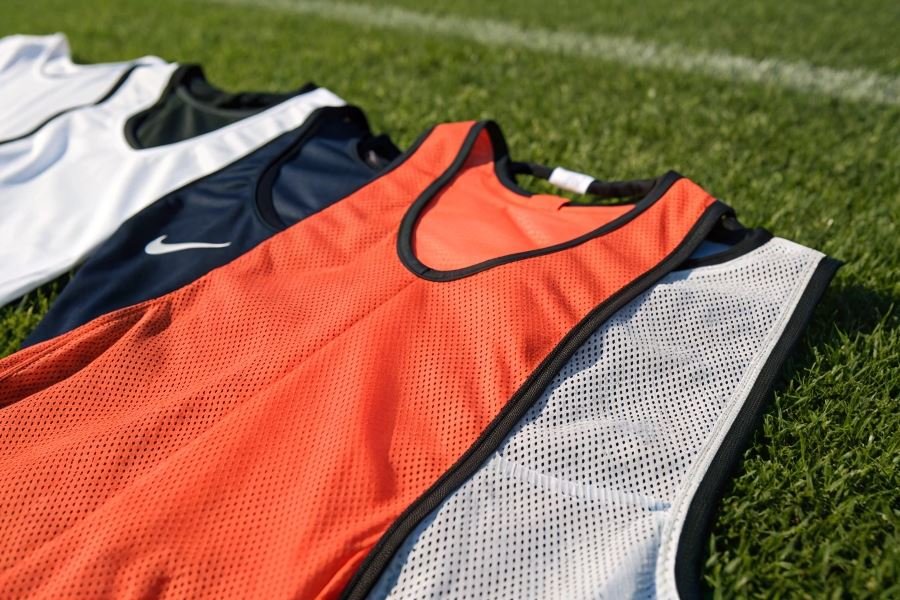
Ever watched a player sprint across the field, their vest seemingly moving with them like a second skin? That’s no accident. The right football vest material can be the difference between peak performance and mid-game misery. Just ask any professional who’s played in both cutting-edge gear and outdated equipment—they’ll tell you the evolution has been nothing short of revolutionary.
The fabric against your skin during those crucial 90 minutes isn’t just about comfort—it’s a technological battlefield where innovation meets athletic demands. Today’s football vests are engineering marvels, designed to enhance performance while providing protection and comfort in equal measure.
When evaluating what makes a truly exceptional football vest, three key factors stand tall: moisture management (because nobody performs at their best in a sweat-soaked shirt), durability (to withstand those aggressive tackles and countless washes), and temperature regulation (keeping cool under pressure isn’t just a mental game).
The journey from cotton jerseys that absorbed sweat like sponges to today’s high-tech fabrics is fascinating. In the 1970s, players endured heavy, water-retaining materials that could add pounds of weight during rainy matches. By the 1990s, synthetic blends emerged, offering improved performance. Fast forward to today, and we’re seeing materials that actively work with an athlete’s body—wicking moisture, regulating temperature, and even reducing aerodynamic drag.
Material evolution timeline:
- Traditional cotton → Polyester blends → Engineered performance fabrics
The right material doesn’t just feel good—it performs when you need it most.
Polyester: The Versatile Leader in Football Vests
When you’re sprinting down the field, cutting through defenders, the last thing you need is your vest weighing you down like a soaked sponge. That’s where polyester steps in—not just as a participant in the game of football apparel, but as the undisputed MVP.
Examining the Top 3 materials for football vests reveals that polyester consistently outperforms competitors thanks to its remarkable combination of technical properties and practical benefits. While other fabrics might excel in specific categories, polyester delivers the complete package that athletes demand when performance matters most.
Sweat-wicking wizardry that keeps you dry
Polyester’s moisture-wicking capabilities aren’t just good—they’re game-changing. The synthetic fibers actively transport sweat away from your skin to the outer surface of the fabric where it can evaporate quickly. This isn’t just about comfort; it’s about performance science.
“The difference between being weighed down by sweat and staying dry can mean the difference between making that crucial play or missing it by milliseconds.”
In high-intensity situations, polyester vests can move up to 30% more moisture than traditional cotton alternatives. This translates to:
| Performance Factor | Cotton | Polyester |
|---|---|---|
| Moisture retention | 7-10% of weight | 0.4-1% of weight |
| Drying time | 45-60 minutes | 15-20 minutes |
| Weight increase when wet | Up to 7x | Less than 2x |
Built to last through seasons of glory
The durability of polyester football vests is nothing short of remarkable. These garments can withstand:
- Hundreds of wash cycles without significant degradation
- Intense UV exposure during outdoor training sessions
- Constant stretching and movement without losing shape
Color retention is another area where polyester shines brilliantly. The synthetic fibers accept dyes at the molecular level, creating a bond that resists fading even after repeated washing and sun exposure. Teams wearing Nike or Adidas polyester vests can maintain their vibrant team colors from season opener to championship game.
Economical excellence for every budget
Perhaps most impressively, polyester achieves all these technical feats while remaining remarkably cost-effective. The manufacturing process has been refined since polyester’s introduction to sportswear in the 1970s, creating economies of scale that benefit everyone from professional clubs to weekend warriors.
A quality polyester football vest typically costs between $15-45, depending on brand and features—roughly 30-40% less than comparable performance materials like high-end merino wool blends or specialized technical fabrics.
For team purchases, this cost advantage multiplies dramatically:
Team Cost Comparison (25 players)
- Premium polyester vests: $625-875
- Equivalent performance in alternative materials: $1,100-1,500
This accessibility has democratized high-performance sportswear, ensuring that athletes at all levels can benefit from moisture-wicking, durable, and comfortable football vests without breaking the bank. Whether you’re outfitting a youth league or purchasing for yourself, polyester delivers championship-level performance at a price point that respects your budget.
Making the Right Choice for Your Football Vest
When it comes to football vests, the material you choose can make the difference between peak performance and uncomfortable distraction. After exploring polyester, mesh, and compression fabrics, it’s time to bring everything together and determine which option aligns with your specific needs on the field.
Performance face-off between top materials
Each material brings distinct advantages to your game. Let’s compare their critical performance characteristics:
| Material | Moisture Management | Breathability | Durability | Weight | Temperature Regulation |
|---|---|---|---|---|---|
| Polyester | Excellent | Good | Very High | Light | Moderate |
| Mesh | Good | Excellent | Moderate | Very Light | Excellent |
| Compression | Moderate | Moderate | High | Medium | Good |
Polyester dominates in moisture-wicking capability, pulling sweat away from your body at remarkable speeds. This makes it the go-to for high-intensity games where you’re constantly on the move.
Mesh fabrics offer unparalleled ventilation that can’t be matched, creating a microclimate that keeps you cool even during summer tournaments. As one professional player put it: “Mesh vests feel like you’re barely wearing anything, even when you’re drenched in sweat.”
Compression materials provide that muscle-supporting structure that many athletes swear by, particularly those recovering from minor injuries or seeking additional stability during play.
Keeping your gear game-ready
Your investment in quality football vests should be protected with proper care:
Polyester vests require minimal maintenance—cold machine wash, tumble dry on low heat, and they’re ready for your next match. Their synthetic fibers resist staining and maintain color vibrancy even after hundreds of washes.
Mesh materials need slightly more attention. While machine-washable, they benefit from air-drying to maintain their structure and prevent the tiny holes from stretching or warping over time.
Compression fabrics demand the most care. To preserve their elasticity and supportive properties, hand-washing is often recommended, with air-drying away from direct sunlight to prevent degradation of the elastic fibers.
The longevity of your football vest isn’t just about the material—it’s about how you treat it between games. Even the most durable polyester will break down if repeatedly exposed to harsh detergents or high-heat drying.
Matching materials to your playing reality
Your perfect football vest depends on several personal factors:
Climate considerations: In hot, humid environments, mesh vests from brands like Nike or Adidas provide that crucial airflow that prevents overheating. For cooler conditions, polyester’s insulating properties make it ideal.
Position-specific needs: Defenders and midfielders who engage in frequent physical contact might benefit from the durability of polyester or the support of compression materials from Under Armour.
Playing frequency: Weekend warriors might prioritize durability and easy maintenance with polyester, while daily trainers might invest in multiple mesh options for rotation.
Physical comfort preferences: Some players simply can’t stand the tight feel of compression materials, while others find loose-fitting mesh distracting during play.
The ultimate recommendation isn’t one-size-fits-all. For most players, a polyester vest offers the best balance of performance, durability, and maintenance ease. However, those playing in extreme heat should strongly consider mesh, while players seeking additional muscle support will find compression materials worth the extra care requirements.
Your football vest is more than just practice wear—it’s equipment that can enhance or hinder your performance. Choose wisely, and you’ll feel the difference with every sprint, tackle, and goal.