
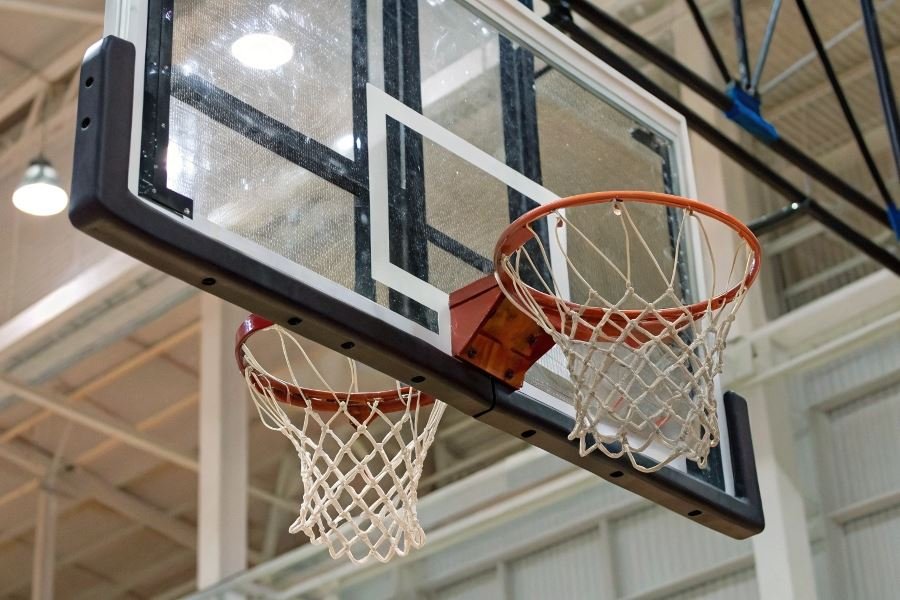
Ever watched an NBA game and thought, “I could do that”? Well, maybe not the slam dunks, but you can definitely bring the game home! Installing your own basketball hoop isn’t just a money-saver—it’s a slam dunk for family fun, fitness, and those spontaneous neighborhood tournaments that become legendary.
Why DIY your basketball hoop installation?
Taking the installation into your own hands delivers multiple benefits. First, you’ll save approximately $150-300 on professional installation costs. But beyond the financial win, there’s something deeply satisfying about shooting your first basket on equipment you assembled yourself. Plus, DIY installation gives you complete control over placement, height adjustments, and stability factors that matter for your specific playing style.
Essential tools for the job
Before breaking ground, gather these must-haves:
- Tape measure and level
- Socket wrench set and adjustable wrench
- Post hole digger or power auger
- Concrete mix (approximately 4-6 bags)
- Wheelbarrow for mixing concrete
- Safety glasses and work gloves
Most basketball systems come with mounting hardware, but double-check your package contents against the manufacturer’s list before starting.
Safety first: Pre-installation considerations
Location planning is crucial—ensure at least 20 feet of clear playing space and check for overhead obstacles like power lines. Before digging, contact utility companies to mark underground lines (typically a free service through the national 811 “Call Before You Dig” hotline).
When working with concrete, wear protective gear and have a partner help with heavy lifting. Remember that proper foundation setting requires 2-3 days of curing time before mounting the backboard—patience here prevents dangerous collapses later.
With proper preparation, your DIY basketball hoop will provide years of game-winning shots and priceless memories right in your own driveway!
Transform Your Driveway Into a Basketball Court
Preparing the Perfect Foundation
The journey to basketball glory begins with proper site preparation. Selecting the right location for your hoop installation is crucial – you need a flat, stable surface with enough clearance for gameplay and no overhead obstructions. Most residential basketball hoops require at least a 20’ x 20’ playing area.
Before you grab your tools and start the process of how to install a basketball hoop by yourself, survey your driveway or chosen location. Check for underground utilities by calling 811 (the national “Call Before You Dig” hotline) at least 72 hours before digging. This simple step prevents potentially dangerous and costly accidents.
For in-ground systems, you’ll need to dig a hole approximately 24″ deep and 18″ in diameter. The dimensions may vary based on your specific hoop model and local frost line depth. Always check your manufacturer’s specifications for exact measurements. In colder climates, you might need to dig deeper to get below the frost line.
Assembling Your Basketball System
Once your site is prepared, it’s time to tackle assembly. Lay out all components on a clean, flat surface and inventory everything against the parts list. Missing even one bolt can derail your entire project.
Most basketball systems come with these core components:
- Backboard and rim assembly
- Support pole (often in sections)
- Base or anchor kit
- Hardware package (nuts, bolts, washers)
Follow this assembly sequence for optimal results:
- Assemble the support pole sections
- Attach the backboard mounting bracket
- Connect the backboard to the mounting bracket
- Install the rim and net
| Component | Assembly Tip | Common Mistake |
|---|---|---|
| Support Pole | Lay flat while connecting sections | Forcing connections without proper alignment |
| Backboard | Use a helper to hold while securing | Overtightening mounting bolts |
| Rim | Install after backboard is secure | Hanging from rim before cement cures |
For portable systems, fill the base with sand or water according to manufacturer specifications. Sand provides better stability but makes the unit harder to move. Water works well in warmer climates but may need antifreeze additives in colder regions.
Securing Your Hoop for Slam-Dunk Safety
The mounting phase is where amateur installations often fail. For in-ground systems, mix concrete according to package directions – typically 8-10 bags of Quikrete for a standard installation. Pour the concrete into your prepared hole, leaving 1-2 inches of space at the top for water drainage.
Critical safety tip: Use temporary bracing to hold the pole perfectly vertical while the concrete sets. A slight tilt now becomes a major problem later. Use a carpenter’s level on multiple sides of the pole to ensure true vertical alignment.
For concrete anchored systems, position the anchor kit precisely according to the template, ensuring it’s level before pouring concrete. Allow the concrete to cure fully – typically 72 hours minimum, though a full week is better for maximum strength.
When mounting the backboard, enlist a helper. These units are awkward and heavy, often weighing 150+ pounds. Proper mounting height is crucial – regulation height places the rim exactly 10 feet from the ground. For family use, consider adjustable systems from manufacturers like Spalding or Lifetime that can be lowered for younger players.
After installation, perform a thorough safety check. Verify all bolts are tight, the structure is stable, and the rim is secure. Wait the full concrete curing time before using the hoop for aggressive play. Your patience now ensures years of safe enjoyment later.
Finishing Touches and Maintenance: The Unsung Heroes of Hoop Longevity
You’ve muscled through the installation process, conquered concrete mixing, and successfully mounted your basketball hoop. Congratulations! But before you start practicing those three-pointers, let’s talk about what separates a wobbly weekend project from a professional-grade installation that will serve your driveway battles for years to come.
Testing stability like a pro engineer
First things first—stability testing isn’t optional, it’s essential. Give that newly installed hoop a thorough shake test from multiple angles. A properly installed system should feel rock-solid with minimal movement. If you detect concerning wobbles:
- Check all bolts and fasteners with a torque wrench
- Verify the concrete has fully cured (typically 72+ hours for full strength)
- Examine the base plate for proper leveling
- Test the backboard for excessive vibration during shots
Pro tip: Use a basketball to test backboard vibration. A properly installed system should dampen vibration within 2-3 seconds after a direct hit. If vibrations persist longer, additional bracing may be necessary.
Weatherproofing your investment
Basketball hoops face relentless environmental assault. From scorching summer sun to winter freeze-thaw cycles, Mother Nature is determined to deteriorate your setup. Fight back with these weatherproofing essentials:
Apply a high-quality clear polyurethane sealant to all exposed metal components, especially connection points where water might pool.
For in-ground systems, create a slight grade around the pole base to prevent water accumulation. Standing water is the silent killer of basketball systems!
| Component | Recommended Protection | Application Frequency |
|---|---|---|
| Metal pole | Rust-inhibiting paint | Every 2 years |
| Backboard | UV-resistant sealant | Annually |
| Rim | Zinc-based protective spray | Bi-annually |
| Hardware | Silicone lubricant | Quarterly |
Maintenance routines that add years of playtime
The difference between a hoop that lasts 3 years versus 10+ years often comes down to simple, consistent maintenance. Implement these practices into your seasonal routine:
-
Quarterly hardware check: Tighten all accessible bolts and screws. Temperature fluctuations naturally loosen connections over time.
-
Seasonal rim inspection: Check for bending or warping, especially if your hoop sees aggressive dunking. A Spalding rim gauge tool can help identify when replacement is needed.
-
Net replacement: Don’t wait until your net is hanging by threads. Weather-resistant nets from Lifetime or Goalsetter provide better longevity than standard cotton versions.
-
Backboard cleaning: Use non-abrasive cleaners to maintain visibility and prevent UV damage to clear backboards. Avoid ammonia-based products that can cloud acrylic surfaces.
-
Adjustment mechanism maintenance: Lubricate height adjustment systems twice yearly with silicone-based lubricant, never WD-40 which attracts dirt.
The most overlooked maintenance task? Checking the breakaway spring tension on the rim. Too tight and you risk backboard damage; too loose and you’ll experience excessive movement during play.
Remember that preventative maintenance is always less expensive than repairs or replacement. A quick 15-minute inspection each season can identify small issues before they become game-ending problems. Your future self will thank you when you’re still enjoying perfect shots on a rock-solid hoop while your neighbors are shopping for replacements!