
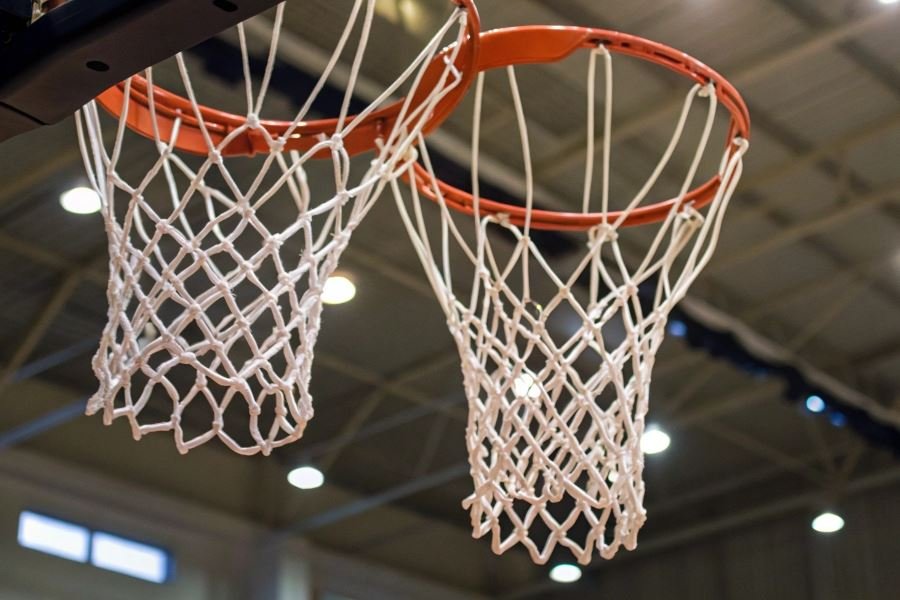
Ever watched a perfect swish through a tattered net? That disappointing thunk instead of the satisfying swish we all crave? The difference isn’t just aesthetic—it’s fundamental to the basketball experience.
Basketball nets might seem like mere accessories, but they’re crucial performance components that face brutal conditions. From scorching summer heat to freezing winter temperatures, from constant UV exposure to relentless moisture, your net endures environmental warfare while delivering that satisfying swish after every perfect shot.
The material matters more than you think. Traditional nylon nets might be the standard at professional arenas, but they deteriorate quickly in outdoor settings. Meanwhile, chain metal nets offer incredible durability but sacrifice that classic swish sound that’s practically the soundtrack of basketball.
“The right net doesn’t just last longer—it enhances the entire playing experience,” notes veteran court designer Marcus Thompson, who’s installed courts from neighborhood parks to professional arenas.
When evaluating basketball net materials, durability shouldn’t be your only consideration. The weight of the material affects how the net responds to shots. The noise it produces impacts player satisfaction. Even the visibility against the backboard can subtly influence shooting accuracy.
Environmental compatibility is equally crucial. A net that performs beautifully in Arizona’s dry heat might quickly deteriorate in Florida’s humidity. Materials that withstand freezing temperatures are essential for year-round outdoor courts in northern regions.
The perfect basketball net balances longevity with performance—creating that sweet spot where durability meets the pure joy of the game.
The Ultimate Durability Showdown: Basketball Net Materials
When that perfect swish happens, the satisfying sound of the ball passing through the net completes the experience. But not all nets are created equal, and choosing the right material can mean the difference between frequent replacements and years of reliable performance. Let’s dive into the three champions of basketball net materials and see how they stack up in the durability department.
Nylon: The All-Weather Performer
Nylon basketball nets have become the industry standard for good reason. When evaluating materials for basketball nets and determining which is better for durability, nylon consistently ranks at the top for its balance of performance and longevity.
Key durability characteristics:
- Resistant to moisture absorption
- Maintains flexibility in cold temperatures (down to -40°F)
- Typically lasts 1-3 years outdoors with proper care
- Excellent resistance to abrasion from repeated ball contact
The weather resistance of nylon is particularly impressive. Unlike cotton nets (which have largely disappeared from serious courts), nylon won’t rot when exposed to rain and won’t become brittle during winter months. This resilience makes it the preferred choice for outdoor courts in variable climates.
Performance benefits extend beyond durability. Nylon provides that classic “swish” sound players love while offering enough weight to prevent excessive movement in windy conditions. Premium nylon nets from brands like Spalding and Wilson often feature UV inhibitors that extend outdoor lifespan significantly.
Chain: The Indestructible Option
For locations where vandalism or extreme weather conditions are concerns, chain basketball nets represent the nuclear option in durability.
Superior durability factors:
- Virtually indestructible under normal playing conditions
- Lifespan measured in decades rather than years
- Zero susceptibility to UV degradation
- Impervious to moisture, mold, and mildew
| Chain Type | Expected Lifespan | Noise Level | Maintenance Needs |
|---|---|---|---|
| Galvanized | 10-15+ years | High | Minimal |
| Stainless | 20+ years | High | None |
| Zinc-coated | 8-12 years | High | Occasional check |
The maintenance requirements for chain nets are minimal—an occasional inspection for sharp edges and perhaps a light lubrication of connecting points every few years. However, the playing experience differs dramatically from fabric nets. The distinctive clanking sound and faster ball return can be either a benefit or drawback depending on player preference.
Chain nets are particularly popular in inner-city courts and facilities where maintenance budgets are limited. The initial investment ($25-45) is higher than fabric alternatives but pays for itself many times over through eliminated replacement costs.
Polyester: The Cost-Effective Contender
Polyester basketball nets have emerged as a compelling middle-ground option, offering impressive durability at a price point that won’t break the bank.
Durability profile highlights:
- Superior UV resistance compared to nylon
- Excellent color retention even after years of sun exposure
- Typically lasts 2-4 years in outdoor settings
- Resistant to chemical damage from court cleaning products
The UV resistance properties of polyester deserve special attention. While nylon will eventually weaken and fray under constant sun exposure, polyester nets from manufacturers like Porter Athletic maintain their structural integrity significantly longer in sunny environments.
Cost-effectiveness is where polyester truly shines. At roughly the same price point as nylon ($8-15 for quality options), polyester delivers approximately 30-50% longer lifespan in outdoor settings. This value proposition makes it increasingly popular for school and community courts operating with limited maintenance budgets.
The only significant drawback? Polyester lacks some of the pleasant acoustic properties of nylon, producing a slightly different sound on that perfect swish.
Making the Right Call: Basketball Net Materials for Maximum Durability
Environmental factors that shape your net choice
Basketball nets face a constant battle against the elements. Outdoor courts expose nets to UV rays, rain, snow, and temperature fluctuations that can quickly degrade inferior materials. Nylon nets, while popular, can become brittle after prolonged sun exposure. In contrast, chain nets made from galvanized steel offer exceptional weather resistance, with some models from Spalding lasting up to 5 years in harsh conditions.
Climate considerations should drive your decision. In coastal areas with high humidity and salt exposure, stainless steel or zinc-coated chain nets prevent corrosion. For courts in regions with heavy snowfall, all-weather polyester nets from Lifetime provide flexibility that prevents cracking during freeze-thaw cycles.
Net wisdom: The most durable net for your court is the one designed specifically for your local climate conditions.
Indoor facilities face different challenges. Constant use in community centers or schools demands materials that withstand thousands of shots without fraying. High-density polyethylene nets offer an environmentally responsible choice for indoor courts, as they’re often recyclable while maintaining excellent durability profiles.
Cost-benefit breakdown of durable net materials
| Material | Initial Cost | Lifespan | Cost Per Year | Durability Rating |
|---|---|---|---|---|
| Standard Nylon | $10-15 | 6-12 months | $10-30 | ★★☆☆☆ |
| All-Weather Nylon | $20-30 | 1-2 years | $10-30 | ★★★☆☆ |
| Polyester | $25-40 | 2-3 years | $8-20 | ★★★★☆ |
| Chain (Steel) | $40-60 | 3-5+ years | $8-20 | ★★★★★ |
The initial investment in premium materials pays dividends over time. While standard nylon nets from discount retailers might seem economical at $10-15, their frequent replacement schedule makes them the most expensive option long-term.
High-performance polyester nets from Nike or Wilson represent the sweet spot for many facilities, balancing upfront costs with impressive longevity. Their 2-3 year lifespan under regular use translates to approximately $8-20 per year – comparable to chain nets but with different performance characteristics.
For maximum durability regardless of budget constraints, galvanized steel chain nets remain unmatched. Their $40-60 price tag delivers 3-5+ years of consistent performance, making them the most cost-effective solution for high-traffic courts where maintenance resources are limited.
Maintenance strategies for extended net life
Even the most durable basketball nets benefit from proper maintenance. Regular inspection should become part of your court management routine. Check for frayed threads on nylon and polyester nets monthly, as small damage can quickly expand with continued use.
For fabric nets, an annual cleaning with mild soap and water removes accumulated dirt and pollutants that can weaken fibers. Allow nets to dry completely before reinstallation to prevent mildew growth that accelerates deterioration.
Chain nets require different care. Apply a light coating of silicone lubricant annually to prevent rust formation at link junctions. This simple 10-minute maintenance task can extend chain net lifespan by up to 30%.
Rotation matters. Courts with multiple baskets benefit from implementing a net rotation schedule. By switching nets between high and low-usage baskets quarterly, wear patterns distribute more evenly, extending the functional life of all nets in your facility.
Remember that proper installation significantly impacts longevity. Nets installed with excessive tension wear faster at attachment points. Follow manufacturer guidelines precisely when replacing nets to ensure optimal performance and durability.