
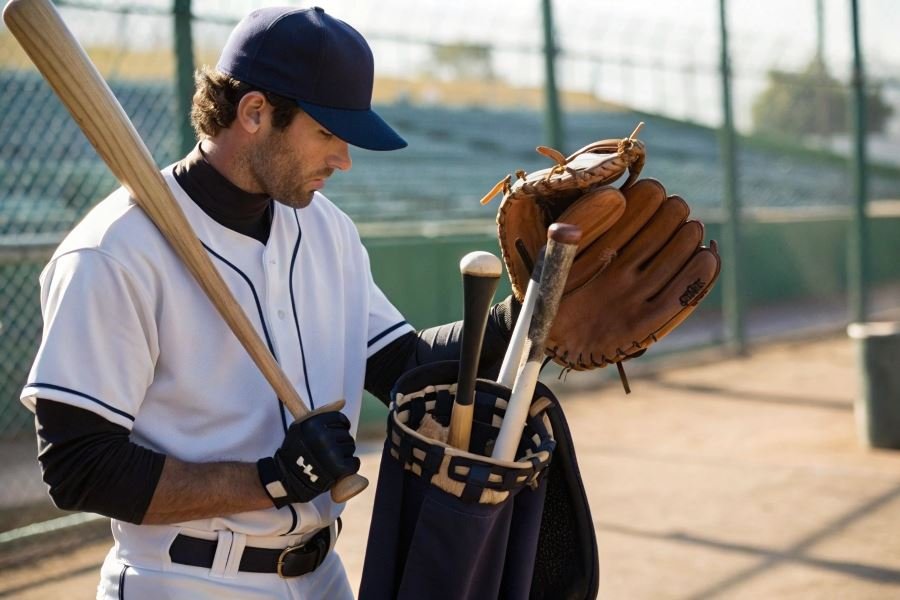
Ever watched a rookie swing wildly at pitches with equipment that seems to fight against them? The right gear isn’t just about looking the part—it’s your ticket to faster improvement and safer play.
The journey into America’s favorite pastime begins long before you step onto the diamond. Selecting your first baseball set might seem overwhelming with countless options lining sporting goods shelves, but breaking it down into essentials transforms this challenge into your first victory in the sport.
The building blocks of your baseball arsenal
Every beginner’s baseball set revolves around four core components: a properly sized glove that feels like an extension of your hand, a bat with the right weight-to-strength ratio, a helmet that protects without restricting vision, and balls designed for your skill level. These fundamentals create the foundation upon which all baseball skills are built.
Why equipment quality matters more than you think
Quality equipment isn’t just about durability—it’s about development. A well-fitted glove can improve catching percentage by up to 30%, while an appropriately weighted bat dramatically increases contact rates. Beyond performance, proper protective gear prevents the injuries that sideline eager beginners before they’ve truly begun.
Matching equipment to age and development
A 7-year-old needs fundamentally different equipment than a 15-year-old, and not just in size. Youth equipment features softer materials, lighter weights, and specialized designs that build confidence while teaching proper technique. As players grow, their equipment should evolve alongside their developing strength, coordination, and game understanding.
Essential Equipment for Baseball Beginners
Baseball isn’t just America’s pastime—it’s a gateway to lifelong athletic development, team building, and pure enjoyment. When stepping onto the diamond for the first time, having the right equipment makes all the difference between frustration and fun. How to choose a baseball set for beginners doesn’t need to be overwhelming when you understand the essentials that create a foundation for success.
Finding Your Perfect Glove
Your baseball glove is essentially an extension of your hand—and finding the right one deserves careful consideration.
Size matters significantly with gloves. Infielders typically need smaller gloves (11-12 inches) for quick ball transfers, while outfielders benefit from larger pockets (12-13 inches) to snag those deep fly balls. Youth players should start with appropriately sized gloves—usually 9-11 inches depending on age and position.
Material selection affects both performance and longevity:
- Premium leather offers exceptional durability but requires break-in time
- Synthetic leather provides immediate playability at lower cost
- Steerhide balances durability and comfort for intermediate players
The fit should feel snug but comfortable. Your fingers should extend nearly to the end of the finger stalls, with the web positioned between your thumb and index finger creating a natural pocket.
Selecting the Right Bat
The perfect bat creates that sweet crack when connecting with the ball—but finding it requires understanding three critical factors:
| Factor | Recommendation | Why It Matters |
|---|---|---|
| Length | Stand bat beside leg; should reach mid-hip | Too long slows swing; too short limits reach |
| Weight | Drop weight (length minus weight) between -5 to -10 for beginners | Heavier = power; Lighter = bat speed |
| Material | Aluminum for beginners; composite for advanced | Aluminum offers durability and value |
For youth players, a general guideline is to start with a bat that’s approximately the same length in inches as their height in feet plus 4. A 4’8″ player might start with a 28″ bat.
Grip test: Hold the bat handle at a 45-degree angle with one hand. If you can hold it steady for 30 seconds without strain, the weight is appropriate.
Protective Gear: Non-Negotiable Safety
Baseball involves hard objects moving at high speeds—making protective equipment absolutely essential.
Helmets should meet NOCSAE certification standards and fit snugly without excessive movement. Modern helmets feature:
- Impact-absorbing foam liners
- Face guards for added protection (especially for younger players)
- Proper ventilation to prevent overheating
Batting gloves serve dual purposes—they absorb vibration from contact and prevent blisters during extended practice. Look for:
- Leather palms for durability
- Breathable back materials
- Secure wrist closures
Additional protective equipment worth considering includes:
- Chest protectors for catchers and pitchers
- Athletic cups for male players
- Leg guards for catchers
- Mouth guards for all positions
When selecting protective gear, never compromise safety for cost. Quality equipment from established manufacturers like Rawlings, Wilson, or Easton might cost more initially but provides superior protection and typically lasts through multiple seasons.
Remember that properly fitted equipment not only enhances safety but also improves performance—allowing new players to develop skills with confidence as they learn America’s beloved game.
Sealing the Deal on Your First Baseball Set
Smart spending for maximum diamond value
Let’s face it—baseball equipment isn’t always cheap, but that doesn’t mean you need to empty your wallet to get started. The sweet spot for a complete beginner’s baseball set typically falls between $75-150. This investment covers your essential bases: a quality glove, aluminum bat, and protective gear.
Value tip: Look for package deals during off-season months (November-January) when retailers clear inventory. These bundles often include extras like batting gloves or bags at 20-30% below regular pricing.
For those on tighter budgets, consider these money-saving approaches:
- Start with just a quality glove ($30-50) and add pieces gradually
- Explore gently-used equipment from Play It Again Sports or local sports exchanges
- Join community baseball groups where equipment swapping happens naturally
The most expensive gear rarely makes the best player. Focus on fundamentals first, upgrades later.
Equipment that grows with your game
The baseball journey doesn’t end after your first season. Smart beginners choose equipment with runway for skill development.
Gloves with growth potential feature:
- Slightly larger pocket than currently needed (½-1 inch)
- Quality leather that breaks in gradually
- Adjustable wrist straps for changing hand sizes
For youth players, consider these durability factors:
| Equipment | Growth-Friendly Features | Expected Lifespan |
|---|---|---|
| Gloves | Full-grain leather, reinforced webbing | 2-3 seasons |
| Bats | Length-to-weight ratio (-10 to -8) | 1-2 seasons |
| Helmets | Adjustable padding systems | 2-4 seasons |
The Rawlings Players Series youth equipment line strikes an excellent balance between immediate usability and room for development. Their gloves typically accommodate 1-2 years of hand growth while maintaining playability.
Where the pros shop for starter gear
Finding quality beginner equipment means knowing where to look. Each purchasing channel offers distinct advantages:
Specialty baseball retailers like Baseball Express and Baseball Warehouse provide expert guidance and proper fitting services. Their staff can demonstrate proper grip techniques and help match equipment to your specific needs.
Sporting goods chains such as Dick’s Sporting Goods offer convenience and frequent sales events. Their broader selection lets you compare multiple brands side-by-side.
For the budget-conscious, online marketplaces like SidelineSwap connect you with quality pre-owned gear at substantial discounts. Just verify seller ratings and equipment condition before purchasing.
Local baseball academies and training facilities often maintain pro shops with carefully curated beginner equipment. Their coaching staff can provide personalized recommendations based on your physical attributes and playing style.
Remember that the perfect baseball set balances immediate needs with future growth. Start with fundamentals, invest strategically in pieces that will last, and you’ll be rounding the bases with confidence in no time.