
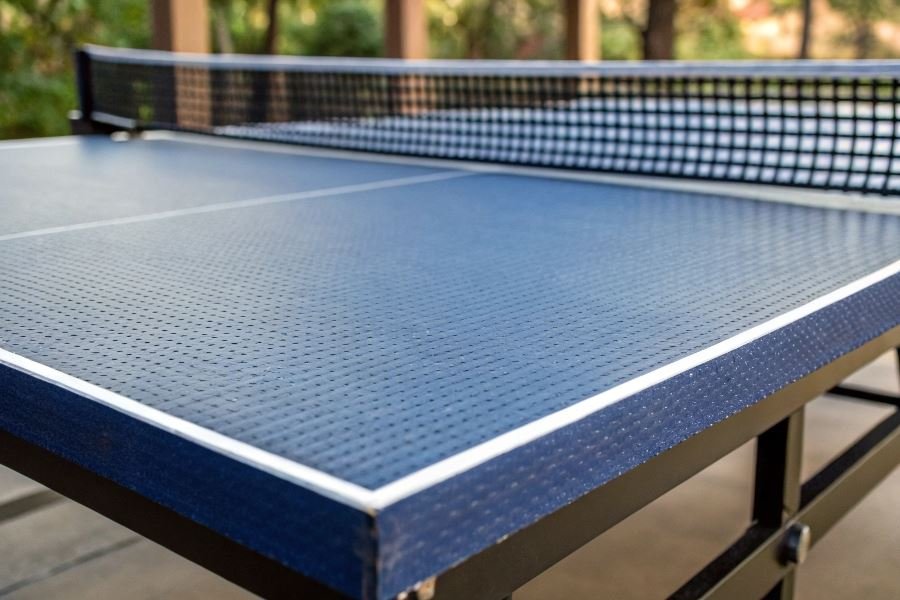
Ever watched a championship-level rally screech to a halt because of a net controversy? That split-second when the ball clips the net and everyone freezes, waiting for the official ruling? It happens more than you’d think, and often the culprit isn’t player error—it’s the net itself.
The humble table tennis net sits at the literal center of every game, yet many players overlook its importance when setting up their play space. Whether you’re training for competitive play or setting up a recreational table in your basement, your choice between adjustable and fixed nets can significantly impact your game experience.
Fixed nets offer stability and consistency—the same height and tension every time you play. They’re typically pre-installed on tournament-grade tables and provide the regulation 15.25cm height without any fuss. Meanwhile, adjustable nets bring versatility to the table (literally), allowing players to modify tension and sometimes height to match different playing conditions or training needs.
The decision between these two options hinges on several critical factors:
“The net you choose should match your playing style and environment, not just your budget.” — Table Tennis World Championship commentator
Your playing environment matters tremendously. Permanent setups in dedicated spaces often benefit from fixed nets, while multi-purpose areas might require the flexibility of adjustable options. Consider also your skill level—beginners might not notice subtle differences in net tension, while advanced players can find their game significantly affected by even minor variations.
The perfect net doesn’t just divide the table—it elevates your game.
The Ultimate Showdown: Adjustable vs Fixed Nets
When you’re locked in an intense rally across the table, the last thing you need is your net failing you at the crucial moment. The debate between adjustable and fixed nets for table tennis isn’t just about preference—it’s about performance, convenience, and getting exactly what you need from your equipment.
Let’s dive deep into what separates these two contenders in the table tennis world. When considering adjustable vs fixed nets for table tennis, several factors come into play that can significantly impact your game experience, from casual basement matches to competitive tournament play. The right choice depends on your specific needs, playing environment, and level of commitment to the sport.
Built to Last or Built to Adapt
The construction quality difference between these net types is immediately apparent when you handle them. Fixed nets typically feature robust metal posts with permanent attachment mechanisms, often constructed from higher-grade materials that withstand years of use. The legendary Butterfly National League fixed nets, for instance, use aircraft-grade aluminum that’s practically indestructible.
Adjustable nets, meanwhile, trade some durability for versatility. They incorporate moving parts—height adjustment mechanisms, tension springs, and clamps—that inevitably create more potential failure points. However, premium models like the JOOLA WX use reinforced components that significantly narrow this durability gap.
The Portability Factor
| Net Type | Setup Time | Portability Rating | Storage Space |
|---|---|---|---|
| Fixed | 1-2 minutes | ★★☆☆☆ | Larger |
| Adjustable | 2-4 minutes | ★★★★★ | Compact |
When it comes to setup and portability, adjustable nets take a commanding lead. Most can be disassembled in seconds, packed into compact carrying cases, and transported with minimal effort. This makes them ideal for players who don’t have a dedicated table or who frequently play in different locations.
Fixed nets, while quicker to set up once you’re familiar with them, are generally designed to stay put. They excel in club environments, schools, or homes with permanent table setups where frequent removal isn’t necessary.
Tension Perfect or Tension Flexible
Tension control is where adjustable nets truly shine. The ability to fine-tune net height and tension means you can achieve tournament-standard conditions regardless of table thickness or slight manufacturing variations. This precision becomes particularly valuable when practicing for competitions.
Fixed nets offer rock-solid stability once properly installed, with virtually zero movement during play. This consistency is why many professional training facilities prefer them—what you lose in adjustability, you gain in dependable performance game after game.
Value Proposition: The Cost Factor
Price points vary significantly across both categories, but the general pattern holds true: quality fixed nets typically start around $30 and can exceed $100 for professional models, while adjustable options begin at approximately $15 with premium versions reaching $70.
The value equation isn’t just about upfront cost, however. Fixed nets generally offer longer lifespans—often 5+ years of regular use compared to 2-3 years for adjustable alternatives. For dedicated players with permanent setups, the higher initial investment in a fixed net often pays dividends through extended service life and consistent performance.
For recreational players, beginners, or those with space constraints, the flexibility and lower entry price of adjustable nets present compelling advantages that often outweigh their shorter lifespan.
Making the Final Decision: Adjustable vs Fixed Nets for Table Tennis
Let’s cut to the chase—choosing between adjustable and fixed nets isn’t just about preference; it’s about matching your equipment to your playing style, environment, and ambitions. As someone who’s spent countless hours analyzing ping pong setups, I can tell you that this decision can significantly impact your game experience.
When adjustable nets shine brightest
Adjustable nets are the Swiss Army knives of table tennis equipment. They excel in several key scenarios:
Multi-surface play environments: If you’re setting up on different tables or surfaces that vary in thickness (from 12mm to 30mm), an adjustable net like the JOOLA Spring Pressure Clip gives you the flexibility to maintain regulation height regardless of your table.
Tournament preparation: Players who compete regularly need to practice with precisely calibrated nets. Adjustable models allow you to fine-tune the tension and height to match official tournament specifications (15.25cm).
Training facilities that serve multiple skill levels benefit tremendously from adjustable nets, as coaches can modify setups based on training objectives.
Portable setups: If you’re constantly moving your ping pong setup between locations, adjustable nets with clip-on mechanisms make for quick assembly and disassembly without sacrificing quality of play.
Fixed nets and their perfect matches
Fixed nets have their own sweet spots where they outperform their adjustable counterparts:
Dedicated game rooms: When you have a permanent table tennis setup in a consistent location, a fixed net provides stability and eliminates the need for regular adjustments.
Recreational family play: For households where table tennis is primarily for fun rather than competitive training, the simplicity of a fixed net means less fussing with equipment and more time playing.
Durability requirements: High-traffic environments like community centers, schools, or offices benefit from fixed nets that can withstand constant use without losing tension or requiring readjustment.
Matching nets to player profiles
Your skill level and how often you play should heavily influence your choice:
| Player Type | Usage Pattern | Recommended Net Type | Key Benefit |
|---|---|---|---|
| Beginner | Occasional | Fixed | Simplicity and ease of use |
| Intermediate | Weekly | Adjustable | Ability to experiment with different tensions |
| Advanced | Daily | Premium Adjustable | Precise control over playing conditions |
| Professional | Training Regimen | Competition-Grade Adjustable | Replication of tournament conditions |
For beginners and casual players, fixed nets eliminate a variable that might otherwise distract from developing basic skills. The STIGA Classic Net Set offers excellent value for recreational players who want reliability without complexity.
Intermediate players who play 1-3 times weekly will benefit from an adjustable net as they begin to notice how net tension affects ball bounce and develop preferences for their playing style.
Advanced players often report that adjustable nets help them develop a more nuanced touch game, particularly for drop shots that barely clear the net.
Competitive and professional players should invest in high-quality adjustable nets like the Butterfly National League Net that allow precise tension control and height adjustment to match official competition specifications.
Remember that your net choice should evolve with your skill level. Many players start with fixed nets for simplicity, then graduate to adjustable models as they develop a more sophisticated understanding of how equipment affects their game performance.
The perfect net isn’t just about adjustability—it’s about finding the right match for your specific table tennis journey.