
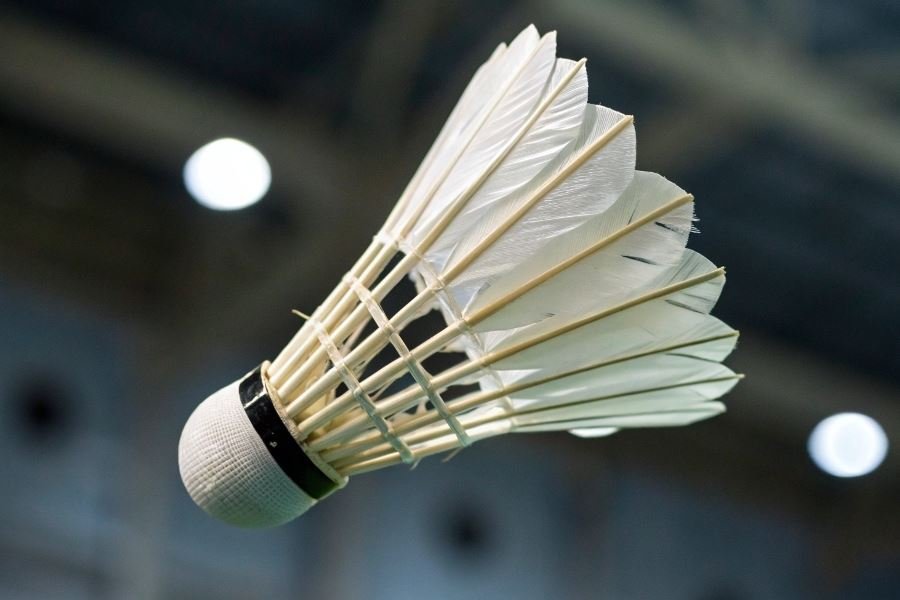
Ever watched a 7-year-old struggle with an adult shuttlecock, swinging desperately as the birdie plummets to the ground before they can make contact? That frustration can turn potential champions away from badminton before they’ve truly begun. The right shuttlecock isn’t just equipment—it’s the difference between developing a lifelong passion or abandoning the sport entirely.
When selecting shuttlecocks for children, we’re not simply looking for “smaller versions” of adult equipment. The science behind youth badminton equipment has evolved dramatically, with manufacturers now engineering shuttlecocks specifically for developing players. These specialized shuttlecocks feature lighter weights (typically 4.5-5.0 grams compared to the standard 5.2 grams), more forgiving flight patterns, and enhanced durability to withstand erratic hits.
The trajectory difference is striking: children’s shuttlecocks travel approximately 15-20% slower through the air, creating that crucial extra split-second for young reflexes to respond. This seemingly small adjustment transforms the learning experience from frustrating to fulfilling.
Flight characteristics that foster development
The most significant difference lies in the cork base and feather/nylon configuration. Youth shuttlecocks typically feature:
- Modified cork bases: Slightly larger and lighter for improved contact
- Shorter feathers/nylon: Creating more air resistance and slower descent
- Enhanced visibility: Often incorporating bright colors for easier tracking
This thoughtful engineering directly impacts three critical development areas: hand-eye coordination, proper stroke mechanics, and—perhaps most importantly—confidence. When children can actually hit the shuttlecock consistently, their enthusiasm for practice multiplies exponentially.
Essential Features for Selecting the Perfect Junior Shuttlecock
When it comes to introducing children to the lightning-fast world of badminton, having the right shuttlecock makes all the difference between frustration and fascination. The perfect junior shuttlecock can transform a child’s first experience from “this is hard” to “this is AWESOME!” Let’s dive into what makes a shuttlecock truly child-friendly.
Finding the right shuttlecocks for children requires understanding several key selection features that differ significantly from adult equipment. Young players need equipment that matches their developing skills while still providing an authentic playing experience that grows with them. The weight, flight characteristics, and durability all play crucial roles in keeping young athletes engaged and developing proper technique from day one.
Flight Speed That Builds Confidence
The speed rating of a shuttlecock is arguably the most critical factor for young players. Children need slower shuttles that give them time to react and position themselves properly.
Speed ratings explained:
- Speed 75-78: Perfect for beginners ages 5-8
- Speed 78-80: Ideal for intermediate junior players ages 9-12
- Speed 80-82: Suitable for advanced juniors ages 13-16
Most manufacturers color-code their shuttlecocks, with green or blue typically indicating slower speeds perfect for children. The slower flight allows young players to develop proper form without becoming discouraged by shuttles that move too quickly for their reaction time.
Durability That Survives Enthusiastic Practice
Let’s be honest—children aren’t exactly gentle with equipment! Junior players often hit shuttlecocks into the ground, walls, or completely miss them, sending them bouncing across the court.
The durability factor becomes even more important when you consider that a typical junior practice session might involve dozens of mishits.
Durability Comparison by Material
| Material | Durability Rating | Cost Per Hour of Play | Best For |
|---|---|---|---|
| Nylon/Plastic | High (100+ hits) | $0.10-0.25 | Beginners, outdoor play |
| Synthetic Hybrid | Medium (50-80 hits) | $0.30-0.50 | Intermediate players |
| Feather | Low (20-30 hits) | $1.00-2.00 | Advanced juniors, competitions |
For most children, nylon shuttlecocks from brands like Yonex or Carlton provide the best balance of performance and durability, especially during the learning phase.
Weight and Size Specifications by Age Group
The standard adult shuttlecock weighs between 4.74-5.50 grams, but this can be too heavy for younger players. Here’s a breakdown of appropriate specifications:
Ages 5-8: 4.2-4.5 grams with a slightly smaller cork base
Ages 9-12: 4.5-5.0 grams with standard diameter
Ages 13-16: Standard adult weight (4.74-5.50 grams)
The lighter weight for younger players reduces strain on developing wrists and shoulders while allowing for proper technique development. Some manufacturers like Victor offer junior-specific shuttlecocks with these precise specifications.
Plastic vs. Feather: The Great Debate for Junior Players
Plastic advantages:
- Nearly indestructible compared to feather alternatives
- Consistent performance regardless of humidity or temperature
- Cost-effective for high-volume practice sessions
- Washable when they inevitably end up in puddles or dirt
Feather considerations:
- Authentic flight characteristics that better prepare juniors for competition
- Superior feel and feedback for developing proper technique
- Quieter impact sound that some children find less intimidating
- Requires more careful storage and handling
For most children under 12, high-quality plastic shuttlecocks from Mavis provide the ideal balance of performance and practicality. As juniors advance to competitive play around ages 13-16, introducing feather shuttlecocks during controlled practice sessions helps them transition to tournament standards.
Remember that the right shuttlecock can make the difference between a lifelong badminton enthusiast and a child who gives up after the first frustrating session!
Top Shuttlecock Models That Kids Actually Love
Beginner-friendly shuttlecocks for the under-10 crowd
Young badminton enthusiasts need equipment that matches their developing skills. The Yonex Mavis 300 stands out as the perfect entry-level shuttlecock for children under 10. With a nylon skirt and synthetic cork base, these shuttles fly at a moderate speed—exactly what beginners need to build confidence. Their distinctive yellow color makes tracking easier during play, and they maintain impressive stability even in outdoor conditions.
The Carlton T800 offers another excellent option with its slightly heavier base, providing more predictable flight patterns that help children develop proper technique. Parents consistently report these shuttles surviving weeks of enthusiastic (if somewhat erratic) play.
Rounding out the beginner options, the Senston S-302 features a unique training design with a larger-than-standard cork head that increases the hitting surface—perfect for building hand-eye coordination in younger players.
| Model | Material | Speed | Durability | Best Environment |
|---|---|---|---|---|
| Yonex Mavis 300 | Nylon/Synthetic Cork | Medium | Good | Indoor/Outdoor |
| Carlton T800 | Nylon/Cork | Medium-Slow | Very Good | Indoor |
| Senston S-302 | Nylon/Oversized Cork | Slow | Good | Indoor |
Durable shuttlecocks that survive school gymnasiums
When it comes to withstanding the punishment of school PE classes and recreational play, durability becomes the priority. The Wilson Tour 77 reigns supreme in this category with reinforced nylon feathers that resist crushing and maintain shape even after hundreds of hits. These shuttles feature a specialized adhesive that keeps the skirt firmly attached to the cork base—a common failure point in lesser models.
For schools on a budget, the Perfly BSC800 offers remarkable longevity at a lower price point. These shuttles incorporate a plastic-reinforced tip that prevents the typical splitting seen after repeated wall and floor impacts.
The Victor Gold Champion deserves special mention for its weather-resistant properties, making it ideal for summer camps and outdoor programs. Its synthetic feathers maintain consistent flight characteristics in varying humidity levels—a game-changer for consistent practice conditions.
Premium shuttlecocks for junior competitors
Young athletes with competitive aspirations require tournament-grade equipment that mimics what they’ll encounter in sanctioned events. The Li-Ning A+600 features premium goose feathers that provide exceptional flight stability and speed control. These shuttles respond beautifully to advanced techniques like drop shots and smashes, giving junior players authentic feedback on their developing skills.
The Babolat Tournament stands out for its precision-sorted feathers that ensure consistent weight distribution and aerodynamics. Coaches particularly value these shuttles for training sessions focused on shot accuracy and placement.
For young players transitioning to competitive play, the Yonex Aerosensa 30 offers the perfect middle ground between durability and performance. These shuttles feature a cork base wrapped in premium leather for improved durability while maintaining the authentic feel of tournament-grade equipment.
“The right shuttlecock can make the difference between a child who gives up after a few frustrating sessions and one who develops a lifelong passion for badminton.” – National Junior Badminton Development Program
Whether your child is just starting their badminton journey or already showing competitive potential, investing in appropriate shuttlecocks will significantly impact their development and enjoyment of the sport.