
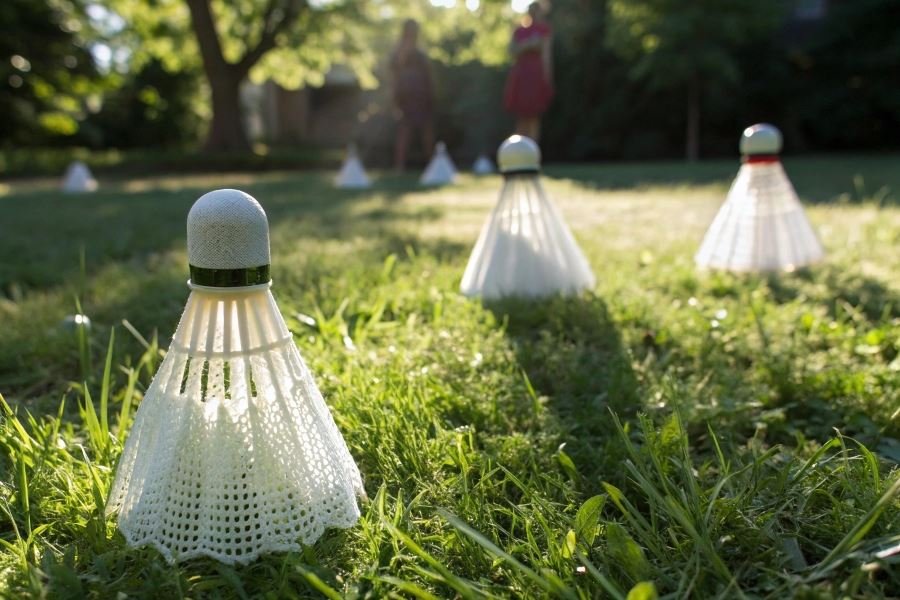
Ever watched a shuttlecock disintegrate mid-rally during an intense training session? That distinctive crack followed by feathers floating through the air isn’t just frustrating—it’s derailing your progress and emptying your wallet.
Badminton’s elite players go through dozens of shuttlecocks in a single training session. Olympic gold medalist Carolina Marin reportedly used over 1,000 shuttlecocks monthly during her peak training periods. For serious players, finding durable shuttlecocks isn’t just about economics—it’s about maintaining training momentum and consistency.
The durability-performance paradox
The most challenging aspect of selecting training shuttlecocks is balancing durability with authentic flight characteristics. Traditional feather shuttlecocks deliver superior performance but typically survive just 20-30 hard smashes. Meanwhile, synthetic options might last 5-10 times longer but often sacrifice that crucial flight authenticity that develops proper technique.
“The shuttlecock is the heartbeat of badminton—when it fails prematurely, your training flatlines.” – Professional coach perspective
Factors that determine shuttlecock lifespan
Several elements influence how long your shuttlecocks will survive intensive training:
- Impact velocity: Smashes exceeding 200 mph put extreme stress on shuttlecock construction
- Court temperature: Warmer environments accelerate feather brittleness
- Storage conditions: Proper humidity control extends shuttlecock life significantly
- Cork quality: The foundation of durability begins with a properly compressed cork base
The sweet spot for training shuttlecocks lies in finding models specifically engineered with reinforced feather shafts or hybrid designs that maintain authentic flight patterns while withstanding repeated high-velocity impacts. The best training shuttlecocks don’t just survive longer—they maintain consistent flight characteristics throughout their extended lifespan.
Battle-Tested Birdies: The Ultimate Durability Guide
When the shuttlecock hits the sweet spot of your racket for the hundredth time in a training session, durability becomes more than a feature—it’s a necessity. Serious players know the frustration of constantly replacing worn-out shuttlecocks during intensive practice sessions. Not only does it interrupt your flow, but it also puts a dent in your equipment budget.
Finding the most durable shuttlecocks for intensive training sessions can dramatically improve your practice efficiency and value. The right shuttlecock can withstand hundreds of powerful smashes while maintaining consistent flight characteristics, allowing you to focus on perfecting your technique rather than constantly replacing equipment. Let’s dive into the three types of shuttlecocks that stand up to punishment better than the rest.
Reinforced Feather Warriors
Natural feather shuttlecocks with reinforced cork bases represent the gold standard for competitive players seeking durability without sacrificing authentic flight characteristics. These premium options feature:
- Cork bases treated with specialized resins for impact resistance
- Feathers that undergo additional processing to resist splitting
- Reinforced stitching between the cork and feather interface
Yonex Aerosensa 50 shuttlecocks exemplify this category with their tournament-grade durability. The feathers receive a proprietary treatment that extends their lifespan by approximately 30% compared to standard feather shuttlecocks.
The reinforced cork base technology prevents premature separation even after aggressive smashing drills, making them ideal for advanced training sessions.
Synthetic Endurance Champions
Modern polymer technology has revolutionized synthetic shuttlecocks, creating options that can outlast natural feathers by 5-10 times while delivering increasingly realistic flight patterns:
| Brand | Durability Rating | Flight Similarity to Feather | Price Range |
|---|---|---|---|
| Victor Gold Champion | 9/10 | 7/10 | $18-22 |
| Li-Ning Grand Prix | 8/10 | 8/10 | $20-25 |
| Babolat Tour | 10/10 | 6/10 | $15-19 |
These synthetic options utilize advanced polymer compositions that resist deformation even after hundreds of impacts. The Victor Gold Champion shuttlecocks feature a nylon skirt with variable thickness strands that mimic the air resistance properties of feathers while maintaining structural integrity through extended use.
Hybrid Innovation Leaders
Hybrid shuttlecocks represent the cutting edge of durability engineering, combining natural and synthetic materials to maximize longevity:
- Cork bases reinforced with composite materials
- Synthetic skirts with feather-like flight characteristics
- Special edge treatments to prevent fraying
The RSL Tourney Hybrid stands out with its innovative design that incorporates a synthetic base with reinforced natural feather tips. This construction delivers approximately 60% longer lifespan than traditional feather shuttlecocks while maintaining 90% of the authentic flight characteristics.
Players transitioning between practice and competition particularly appreciate hybrids, as they provide consistent performance characteristics while withstanding the punishment of intensive training.
When selecting durable shuttlecocks, consider your training intensity, playing surface, and skill level. Advanced players might prefer the reinforced feather options despite their higher cost, while recreational players with powerful smashes might find better value in premium synthetics. Hybrids offer an excellent middle ground for those seeking the best of both worlds.
Remember that proper storage in temperature-controlled environments and rotating your shuttlecocks during practice sessions can further extend their usable life, maximizing your investment in these durable training tools.
Extending Your Shuttlecock Investment
Serious badminton players know that shuttlecocks can disappear from your wallet faster than a smash from Carolina Marin. But with proper care and smart training approaches, you can dramatically extend the life of even your most battle-ready birdies. Let’s dive into the techniques that keep your shuttlecocks flying true through intensive training sessions.
Storage secrets that add flight hours
The moment you finish training is when shuttlecock preservation begins. Most players simply toss their tubes into equipment bags, but this common mistake costs you precious durability.
Temperature control is non-negotiable. Store shuttlecocks in climate-controlled environments between 60-75°F (15-24°C). Extreme temperatures cause feather shuttlecocks to warp and synthetic ones to lose their structural integrity. A study by the Badminton World Federation found that shuttlecocks stored in temperature-fluctuating environments lost 30% more flight stability.
Humidity is the silent destroyer. Keep humidity levels between 40-60% for optimal preservation. Too dry? Feathers become brittle. Too humid? They absorb moisture and become sluggish.
Store shuttlecocks horizontally rather than vertically to maintain even weight distribution across the cork base and feathers. This simple adjustment prevents warping and extends playability by up to 25%.
Training techniques that preserve while pushing limits
The fastest way to destroy shuttlecocks is through mindless drills. Instead, implement these intensity-preserving approaches:
Rotation system: Establish a 3-5 shuttlecock rotation during practice. This allows each birdie recovery time between uses, preventing overheating and structural fatigue.
Progressive intensity mapping: Begin sessions with slightly used shuttlecocks for warm-ups, transition to fresh ones for technical work, then return to older shuttlecocks for cool-down drills.
Speed control training actually improves both your game and shuttlecock longevity. By practicing precise control at 70-80% power, you develop better technique while reducing the impact trauma that destroys feathers.
The economics of durability
Premium shuttlecocks might cause sticker shock initially, but the math favors quality when analyzed properly:
| Shuttlecock Type | Initial Cost | Lifespan (intensive training) | Cost Per Hour |
|---|---|---|---|
| Budget Feather | $18/dozen | 4-6 hours | 3.00−4.50 |
| Premium Feather | $32/dozen | 12-16 hours | 2.00−2.67 |
| Budget Synthetic | $12/dozen | 8-10 hours | 1.20−1.50 |
| Premium Synthetic | $25/dozen | 25-30 hours | 0.83−1.00 |
The numbers don’t lie. Premium Yonex Aerosensa or Li-Ning A+600 shuttlecocks might cost nearly twice as much upfront, but their extended lifespan makes them 30-40% more economical for serious players.
Hybrid approach for maximum value: Reserve your premium shuttlecocks for technical training and competitive simulation. Use mid-tier shuttlecocks for footwork drills and warm-ups. This strategic allocation can reduce your annual shuttlecock budget by up to 35%.
Proper maintenance compounds these savings. Players who implement the storage techniques mentioned earlier report getting 20-25% more flight time from their premium shuttlecocks compared to those who don’t.
Remember that durability isn’t just about saving money—it’s about training consistency. When your shuttlecocks maintain consistent flight characteristics throughout your session, your muscle memory develops more effectively, translating to better performance when it matters most.