
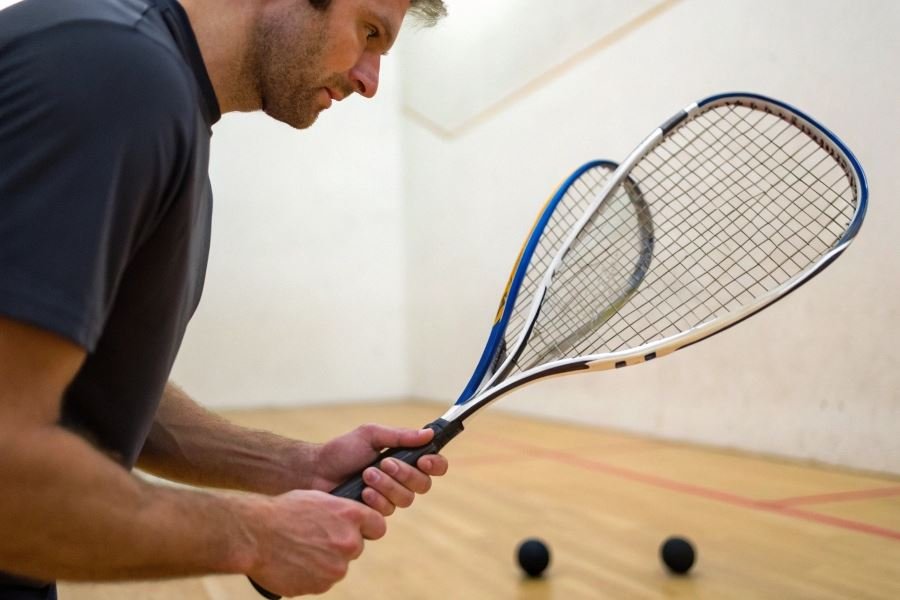
Ever missed that perfect shot because your racket slipped at the crucial moment? That split-second failure might not be your technique—it could be your grip betraying you. For squash players, the grip isn’t just a comfort feature; it’s the critical connection between player and racket that can make or break your performance.
The question of how often to change your squash racket grip isn’t just about aesthetics—it’s about maintaining peak performance and protecting your body. Top professionals typically replace their grips every 6-10 playing sessions, but recreational players often stretch this far beyond what’s optimal.
Your grip deteriorates faster than you think. Sweat, oils from your hands, and environmental factors all contribute to breakdown. Players in humid climates or those with particularly sweaty hands might need replacements twice as frequently as others. The intensity of play matters too—aggressive players who generate more friction will wear through grips faster than defensive players.
How do you know it’s time for a change? Look for these telltale signs:
- Visible smoothing or shininess on the grip surface
- Decreased tackiness when you touch it
- Noticeable slipping during play
- Hardening or cracking of the material
- Persistent odor that won’t wash away
Remember: a worn grip doesn’t just affect your game—it forces subtle compensations in your technique that can lead to tennis elbow and wrist injuries. The $8-15 investment in a new grip is trivial compared to weeks of recovery from preventable injuries.
Grip Replacement Guide for Every Squash Player
Let’s face it—your squash racket grip is the unsung hero of your game. That thin layer of material between your hand and the racket handle makes all the difference between a confident shot and a costly slip. But how often should you change the grip on a squash racket? The answer varies dramatically depending on how frequently you’re hitting the courts.
Weekend Warriors: The Recreational Schedule
For recreational players who hit the courts once or twice weekly, your grip replacement needs are relatively modest. These casual sessions don’t create the same wear and tear as intensive training.
Recommended replacement interval: Every 2-3 months
This schedule works because:
- Weekend play allows grips to dry completely between sessions
- Less exposure to sweat means slower deterioration
- Lower volume of play reduces physical abrasion
Pay attention to visual cues. When your grip starts showing discoloration, develops a slick feel, or loses its tackiness, it’s signaling for replacement—regardless of the timeline. Some recreational players with particularly sweaty hands might need to replace grips monthly, while others with drier palms might stretch to 4 months.
Club Players: Finding the Sweet Spot
Regular club players hitting the courts 2-4 times weekly need a more vigilant approach to grip maintenance. At this level of play, performance matters, and a compromised grip can affect your game significantly.
Recommended replacement interval: Every 3-6 weeks
| Playing Frequency | Climate Conditions | Recommended Replacement |
|---|---|---|
| 2 times weekly | Moderate humidity | Every 6 weeks |
| 3 times weekly | Moderate humidity | Every 4-5 weeks |
| 4 times weekly | Moderate humidity | Every 3-4 weeks |
| Any frequency | High humidity | Reduce by 1-2 weeks |
Club players should consider keeping a spare Karakal PU Super Grip or Dunlop Hydra Max in their bag for emergency mid-season replacements. Nothing derails your league match momentum like a grip that suddenly gives up mid-game.
Professional Maintenance: Daily Diligence
For those training at professional or near-professional levels with daily practice sessions, grip management becomes part of your daily routine—as essential as stringing and hydration.
Recommended replacement interval: Every 1-2 weeks
Professional players often develop personalized systems:
- Some replace overgrips before every tournament match
- Many pros use a rotation system of 2-3 rackets with fresh grips
- Daily inspection becomes second nature
The pro approach includes preventative replacement. Rather than waiting for signs of wear, professionals replace grips on a strict schedule to ensure consistent performance. They understand that grip deterioration is subtle—by the time you notice it affecting your play, it’s already compromised several shots.
Pro tip: Top players often use an overgrip on top of their base grip. This allows for more frequent replacement of just the outer layer (every 1-2 sessions) while maintaining the base grip for longer periods (every 4-6 weeks).
Remember that these are guidelines, not rules. Your personal sweat rate, playing style, and grip pressure all influence how quickly your grip deteriorates. The ultimate test is always performance—if your racket feels even slightly insecure in your hand, it’s time for a fresh grip.
Grip Game: Maximizing Your Squash Performance
Extending Your Grip’s Lifespan
Let’s face it—a fresh grip can make the difference between a winning shot and a disappointing miss. But quality Karakal or Wilson grips aren’t cheap, and replacing them too frequently can add up. Implementing these best practices can significantly extend your grip’s useful life:
Daily maintenance is non-negotiable. After each session, take 30 seconds to wipe down your grip with a slightly damp cloth. This removes sweat salts and court dust that accelerate deterioration. Players who implement this simple habit report up to 40% longer grip life.
Store your racket properly. Leaving your racket in a hot car or damp bag creates the perfect environment for grip degradation. Use a dedicated racket bag with temperature control features, and always remove your racket after play.
The most overlooked grip-killer? Hand lotion residue. Always wash your hands before play, especially after applying sunscreen or moisturizer.
For tournament players, consider applying a thin layer of grip enhancer like Tourna Grip Enhancer between sessions. This product forms a protective barrier while maintaining tackiness.
Grip Types and Their Durability Differences
Not all grips are created equal. Understanding the durability spectrum helps you make informed choices:
| Grip Type | Average Lifespan | Best For | Price Range |
|---|---|---|---|
| Basic Synthetic | 2-4 weeks | Casual players | $5-10 |
| Premium Synthetic | 4-8 weeks | Club players | $10-15 |
| Leather | 3-6 months | Professionals | $20-30 |
| Hybrid (Leather base/Synthetic overlay) | 2-3 months | Serious amateurs | $15-25 |
Overgrips deserve special attention. While they add only minimal cushioning, they can extend your main grip’s life substantially. Players using Yonex Super Grap overgrips report changing their main grip half as often.
Material matters enormously. Polyurethane grips with moisture-wicking technology, like those from Tecnifibre, maintain their tackiness significantly longer than basic cotton options.
Creating Your Personal Grip Change Schedule
The one-size-fits-all approach fails when it comes to grip replacement. Your personal schedule should account for:
Playing frequency and intensity. Weekend warriors might change grips monthly, while daily players competing at high levels might need weekly replacements.
Sweat factor matters. Heavy sweaters should consider changing grips twice as often as those with drier hands. If your grip feels slippery midway through a match, you’re waiting too long.
Environmental conditions dramatically impact grip longevity. Players in humid climates like Florida report changing grips up to 3 times more frequently than those in arid regions like Arizona.
Create a grip rotation system based on visual and tactile cues:
- When grip color darkens significantly
- When tackiness diminishes noticeably
- When grip texture feels smooth rather than textured
- When grip compression becomes uneven
Track your performance metrics. Many elite players notice a 5-8% decrease in shot accuracy when using worn grips. Use a training app to monitor your performance and correlate it with grip condition.
Remember that preventative replacement before major tournaments is always wise. The minimal cost of a fresh grip pales in comparison to the advantage of optimal racket control when it matters most.