
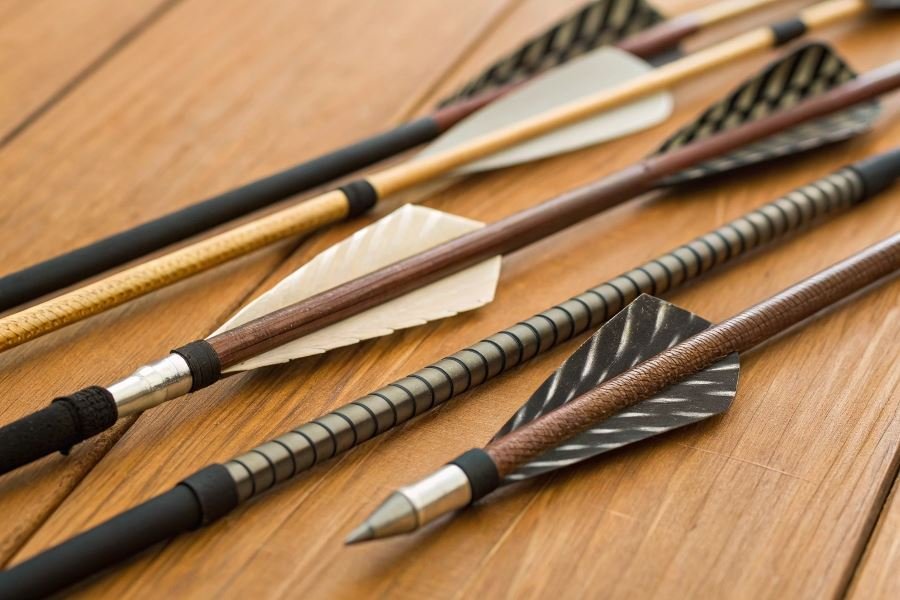
Ever wondered why some archers consistently hit their mark while others struggle? The secret might be sitting right at the business end of their arrows.
When that arrow leaves your bow, its tip becomes the ambassador of your intent—whether you’re targeting a paper bullseye or pursuing game in the field. The material comprising that critical point isn’t just a detail; it’s the difference between success and disappointment.
Why material selection matters more than you think
The physics is undeniable: arrow tips account for up to 20% of your arrow’s total weight, dramatically influencing trajectory, penetration, and accuracy. This isn’t merely about preference—it’s about performance engineering at its finest.
“The right arrow tip material can be the difference between a clean, ethical harvest and a wounded animal that escapes.” — Professional bowhunter insight
How materials shape your hunting narrative
Each material creates a different story when your arrow meets its target:
- Penetration depth varies by up to 30% between materials
- Flight stability changes based on weight distribution
- Durability determines whether you’ll need replacement after a single shot or can rely on the same tips season after season
The triumvirate of excellence: Top materials dominating the field
The archery world has largely settled on three superior materials for arrow tips, each offering distinct advantages depending on your shooting style, target medium, and environmental conditions. From the battlefield-inspired steel alloys to aerospace-grade aluminum and cutting-edge carbon composites, these materials represent the pinnacle of arrow tip technology.
Understanding these materials isn’t just about equipment knowledge—it’s about aligning your gear with your goals and maximizing every shot opportunity.
Arrow Tip Materials That Define Performance
When precision meets power in archery, the material at the business end of your arrow makes all the difference. The evolution of arrow tips has transformed how we hunt, compete, and practice this ancient skill. Today’s archers have access to engineering marvels that our ancestors could only dream about.
The selection of arrow tips can dramatically influence flight characteristics, penetration, and overall effectiveness. Understanding the top 3 materials for arrow tips and their features allows archers to make informed decisions based on their specific needs, whether hunting big game or competing in target archery. Each material brings distinct advantages to the table, creating a spectrum of options for every shooting scenario.
Steel Tips: The Penetration Powerhouse
Steel arrow tips remain the gold standard for hunters seeking maximum penetration and durability. These robust tips deliver exceptional performance when encountering bone or dense tissue, making them ideal for big game hunting.
Weight advantages: Steel tips typically range from 100-150 grains, providing the forward-of-center balance that serious hunters demand. This weight distribution stabilizes arrow flight and enhances downrange energy transfer.
The durability factor cannot be overstated – while other materials might deform on impact, quality steel tips from manufacturers like Muzzy maintain their edge and structural integrity even after passing through tough hide and bone.
One drawback worth noting: the additional weight can reduce initial velocity. However, many hunters gladly accept this trade-off for the devastating terminal performance steel delivers.
| Steel Tip Attribute | Performance Rating | Best Application |
|---|---|---|
| Penetration | Excellent | Big game hunting |
| Durability | Superior | Multiple uses |
| Weight | Heavy (100-150gr) | Deep penetration scenarios |
| Cost | Moderate | Long-term investment |
Carbon Tips: Speed Demons
Carbon technology has revolutionized arrow components, and tips are no exception. These ultralight options have become the darling of competitive archers and speed-focused hunters.
The velocity advantage: Carbon tips can weigh 25-30% less than their steel counterparts while maintaining structural integrity. This translates to flatter trajectories and faster target acquisition – critical factors in competitive settings.
Carbon tips from companies like Carbon Express pair perfectly with carbon shafts, creating a harmonious system that maximizes energy efficiency. The reduced weight means less kinetic energy loss over distance, resulting in tighter groups at longer ranges.
Modern applications have expanded dramatically as manufacturing techniques improve. What was once considered too fragile for hunting has evolved into a legitimate option for medium-sized game when paired with razor-sharp broadheads.
| Carbon Tip Attribute | Performance Rating | Best Application |
|---|---|---|
| Speed | Exceptional | Target competition |
| Weight | Ultralight (70-100gr) | Long-distance shooting |
| Durability | Good | Target practice, small game |
| Cost | Premium | Competitive archery |
Aluminum Tips: Versatile Performers
Aluminum tips represent the sweet spot in the archery world – balancing performance characteristics with accessibility. Their versatility makes them the go-to choice for archers who participate in multiple disciplines.
Cost-effectiveness without compromise: Aluminum tips from Easton deliver consistent performance at a price point that won’t break the bank. This accessibility has made them the foundation of many archery programs and clubs nationwide.
The weight-to-strength ratio hits a practical middle ground – typically ranging from 85-125 grains, these tips provide enough forward weight for stability without excessive velocity loss. This balance makes aluminum tips particularly forgiving for developing archers.
The versatility factor shines brightest in their adaptability across disciplines. The same aluminum-tipped arrows can transition from 3D tournaments to hunting season with minimal adjustments, making them ideal for the archer who doesn’t want separate setups for different applications.
| Aluminum Tip Attribute | Performance Rating | Best Application |
|---|---|---|
| Versatility | Outstanding | Multi-discipline use |
| Weight | Moderate (85-125gr) | All-around performance |
| Durability | Very Good | Repeated use |
| Cost | Economical | Entry to intermediate level |
Each material presents distinct advantages that align with specific archery disciplines and shooting styles. The perfect arrow tip isn’t universal – it’s the one that complements your equipment, technique, and intended application.
Choosing Your Perfect Arrow Tip Material
When you’re standing at full draw, the material at the business end of your arrow can make all the difference between a clean pass-through and a disappointing deflection. Let’s dive into the world of arrow tip materials and find your perfect match.
The Big Three Materials Face Off
The archery world has largely settled on three champion materials for arrow tips, each with distinct performance profiles:
Steel remains the heavyweight champion of arrow tips. With a density of 7.8 g/cm³, steel tips deliver devastating kinetic energy transfer. They’re virtually indestructible against bone impacts and maintain their shape through countless shots. However, this durability comes with a weight penalty that affects trajectory at longer distances.
Carbon steel tips offer the best balance of hardness and cost, while stainless variants provide superior corrosion resistance for hunters in humid environments.
Aluminum tips strike an impressive middle ground at 2.7 g/cm³. These lightweight contenders fly faster and flatter than steel while maintaining respectable penetration. The material’s malleability allows for precision manufacturing of complex broadhead designs that would be prohibitively expensive in steel.
Aluminum tips from companies like Easton have dominated Olympic target archery since the 1970s, proving their merit on the world stage.
Titanium represents the premium tier at 4.5 g/cm³. These tips combine steel-like strength with weight closer to aluminum, creating the ultimate performance package. Titanium’s exceptional strength-to-weight ratio translates to deeper penetration and flatter trajectories than either alternative. The material also boasts unmatched corrosion resistance, even in saltwater environments.
| Material | Density (g/cm³) | Relative Cost | Durability | Corrosion Resistance |
|---|---|---|---|---|
| Steel | 7.8 | $ | ★★★★★ | ★★ (★★★★ for stainless) |
| Aluminum | 2.7 | $$ | ★★★ | ★★★ |
| Titanium | 4.5 | $ | ★★★★ | ★★★★★ |
Matching Materials to Your Mission
Your choice of arrow tip material should align perfectly with your archery objectives:
For target archers, aluminum tips reign supreme. Their consistent weight tolerances (often within ±0.2 grains) ensure arrow-to-arrow consistency critical for grouping. The material’s affordability also means competitive archers can maintain a large quiver of matched arrows without breaking the bank.
For big game hunters, steel broadheads deliver the bone-crushing momentum needed for ethical harvests. The material’s rigidity prevents blade deformation on impact, ensuring clean wound channels and better blood trails. G5 Outdoors produces some of the most respected steel broadheads in the industry.
For wilderness bowhunters who count every ounce in their pack, titanium tips from Iron Will Outfitters provide the ultimate performance. Their exceptional penetration on large game justifies the premium price for those who may only get one shot opportunity after days of stalking.
Maintaining Your Metal
Each material demands specific maintenance protocols:
Steel tips require vigilant rust prevention. After hunting in rain or recovering an arrow from an animal, clean the tip with a light oil like Rem Oil. Check for and file down any burrs that might affect accuracy.
Aluminum tips can develop micro-bends invisible to the naked eye. Regularly spin-test your arrows on a flat surface to detect wobbles indicating bent tips. Unlike steel, aluminum tips shouldn’t be resharpened repeatedly as the softer metal wears quickly.
Titanium tips need minimal maintenance beyond occasional cleaning. Their corrosion resistance means they can be stored wet without damage, though it’s still best practice to dry them. The material’s hardness makes resharpening challenging—use diamond sharpeners rather than standard stones.
By matching your arrow tip material to your specific needs and maintaining it properly, you’ll maximize both performance and longevity. The perfect arrow tip doesn’t just hit the target—it achieves your archery goals with precision and reliability.