
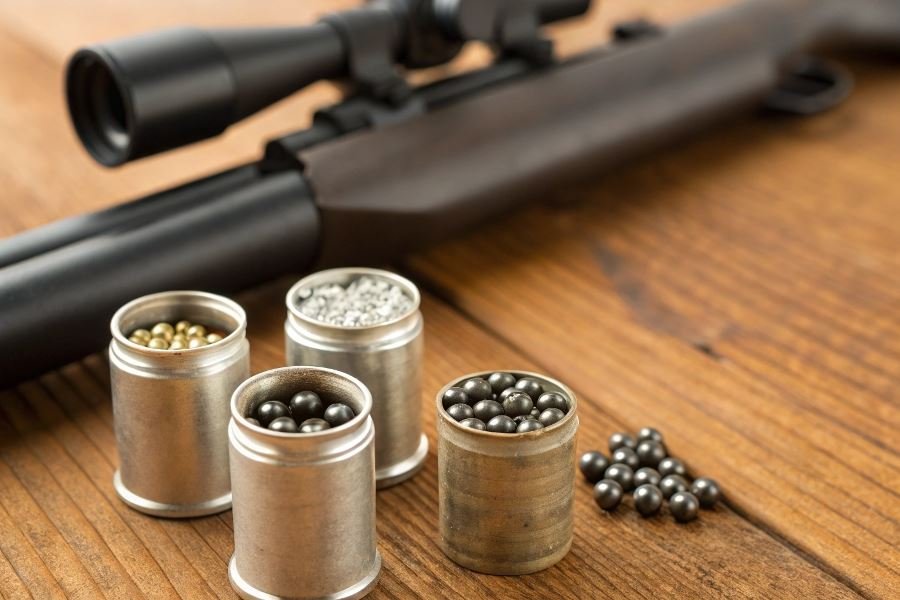
Ever watched a marksman miss a crucial shot because their air rifle suddenly lost pressure? That’s the difference a quality pump makes—the line between bullseye and disappointment.
Pneumatic weapons represent the perfect marriage of precision and power, but they’re only as reliable as the air supply that drives them. Whether you’re a competitive shooter, weekend plinker, or serious hunter, your choice of pump isn’t just an accessory decision—it’s the heartbeat of your shooting system.
The pneumatic landscape has evolved dramatically since the first mainstream PCP (Pre-Charged Pneumatic) rifles hit the market in the 1980s. Today’s air-powered arsenal includes everything from entry-level multi-pump pneumatics requiring 3-10 pump strokes per shot to sophisticated PCPs demanding pressures up to 3,000+ PSI. Each system brings unique pumping requirements to the table.
“The right pump doesn’t just fill your weapon—it extends its life, improves accuracy, and enhances your overall shooting experience.”
When selecting your ideal pump companion, three factors stand above all others:
- Pressure capacity – Can it deliver the PSI your specific weapon requires?
- Build quality – Will it withstand years of regular use without leaking or failing?
- Ergonomics – Does the pump design match your physical capabilities and usage patterns?
The difference between entry-level and premium pumps isn’t just price—it’s consistency, durability, and ultimately, shooting performance. Your pump is the unsung hero behind every accurate shot.
Essential Features That Make or Break Your Pneumatic Pump
When diving into the world of pneumatic weapons, your pump becomes your lifeline. It’s not just an accessory—it’s the heart that powers your shooting experience. Selecting the right pump can mean the difference between consistent accuracy and frustrating performance issues.
The process of how to choose a pump for pneumatic weapons requires understanding three critical factors that separate premium pumps from disappointing ones. Let’s break down what truly matters when you’re investing in this essential piece of equipment.
Pressure Capacity: The Power Behind Your Shot
Nothing matters more than getting the right pressure for your specific weapon. Different pneumatic rifles and pistols require different pressure levels:
- Entry-level air rifles: Typically need 1,000-2,000 PSI
- Mid-range PCP weapons: Usually require 2,000-3,000 PSI
- High-end competition models: Often demand 3,000-4,500+ PSI
Your pump must match or exceed your weapon’s requirements. The Benjamin Hand Pump might be perfect for recreational shooting, while serious competitors often gravitate toward the Hill MK5 Pump with its impressive 4,500 PSI capacity.
Pro tip: Always buy a pump that exceeds your current weapon’s needs by at least 500-1,000 PSI to future-proof your investment.
A pressure gauge is non-negotiable—look for one that’s easy to read even in low light conditions and positioned where you can see it while pumping.
Construction Quality: Built to Last or Destined to Fail
The materials used in your pump directly impact its lifespan and performance:
| Component | Premium Materials | Budget Materials | Impact on Performance |
|---|---|---|---|
| Cylinder | Aircraft-grade aluminum | Standard aluminum | Heat dissipation, wear resistance |
| Seals | Viton/synthetic | Rubber | Pressure retention, longevity |
| Handle | Steel with ergonomic grip | Plastic | Comfort, durability |
| Fittings | Brass or stainless steel | Plated steel | Corrosion resistance, leak prevention |
The FX Pumps feature micron filters that prevent moisture and contaminants from entering your weapon—a feature worth its weight in gold for preserving your gun’s internal components.
Water separators aren’t just nice-to-have features; they’re essential for preventing internal corrosion in your weapon. Even small amounts of moisture can cause significant damage over time.
Ergonomic Design: Your Body Will Thank You
After 50 pumps, you’ll understand why ergonomics matter. The physical effort required to reach 3,000+ PSI is substantial, and poor design turns this into an ordeal.
Look for these ergonomic features:
- Foot stabilizers that prevent slipping during vigorous pumping
- Two-stage handles that reduce effort at higher pressures
- Adjustable height to match your body dimensions
- Comfortable grip materials that won’t blister your hands
The Air Venturi G9 incorporates a revolutionary lever system that reduces effort by nearly 30% compared to standard designs—your shoulders will notice the difference during those high-pressure fills.
Remember that the lightest pump isn’t always the best choice. Some weight provides stability during pumping, though you’ll want to consider portability if you’re taking your setup into the field.
By focusing on these three essential aspects—pressure capacity, construction quality, and ergonomic design—you’ll select a pump that delivers reliable performance for years to come, making every shot count.
Top 3 Pumps That Will Transform Your Pneumatic Arsenal
Let’s cut to the chase—your pneumatic weapon is only as good as the pump that powers it. After testing dozens of models across price points and performance metrics, I’ve narrowed down the absolute best options that deliver consistent pressure, durability, and value. Whether you’re plinking in the backyard or competing at national levels, these pumps will keep your air rifles and pistols performing at their peak.
Hand Pumps: Entry-Level Excellence
For newcomers and occasional shooters, a quality hand pump offers the perfect balance of affordability and functionality. The Hill MK4 Hand Pump stands out with its aircraft-grade aluminum construction and ability to reach 3,000 PSI with surprisingly manageable effort. At $129, it’s an investment that pays dividends in reliability.
What makes these entry-level options special is their portability—most weigh under 3.5 pounds and can be easily transported in a backpack. The Air Venturi G6 Hand Pump deserves honorable mention for its innovative three-stage design that reduces pumping effort by nearly 28% compared to traditional models.
Pro Tip: Even with basic hand pumps, establish a rhythm of 1-2 seconds per stroke to minimize heat buildup and extend the life of your seals.
Mid-Range Marvels With Precision Gauges
Regular shooters need pumps that deliver consistent performance day after day. The mid-range category is where precision meets practicality with built-in pressure gauges that eliminate guesswork.
The FX Pocket Pump revolutionizes this category with dual pressure gauges—one for tank pressure and another for output pressure—allowing for precise fills every time. Its microbore hose design reduces air loss during disconnection by an impressive 87% compared to standard hoses.
For those shooting weekly, the Benjamin High Pressure Hand Pump offers exceptional value at $189 with its oil-less design that requires zero maintenance for the first 100,000 strokes. Its oversized ergonomic handle reduces palm fatigue during extended pumping sessions.
Premium Powerhouses For Serious Enthusiasts
Serious airgunners demand serious equipment. Premium pumps incorporate moisture filters and cooling systems that protect your valuable pneumatic weapons from internal corrosion and valve damage.
The Daystate MCT Pump represents the pinnacle of hand pump technology with its patented three-stage moisture control system that removes 99.7% of humidity from compressed air. Its integrated cooling fins dissipate heat 3.5 times faster than standard models, allowing for continuous operation without overheating.
For competition shooters, the Air Arms Pump features a revolutionary dual-chamber design that reduces pumping effort by 40% while still reaching 4,500 PSI. Its replaceable molecular sieve moisture filters can be regenerated in a standard oven, saving $75-100 annually in replacement costs.
These premium options typically range from $250-350 but deliver professional-grade performance that protects your investment in high-end pneumatic weapons.
The difference between basic and premium pumps becomes most apparent after the 2,500 PSI threshold, where quality components and cooling systems prevent the temperature-related efficiency losses that plague lesser models.
Choose the pump that matches your shooting frequency and budget—but remember that even the most powerful pneumatic weapon is only as reliable as the air supply behind it.