
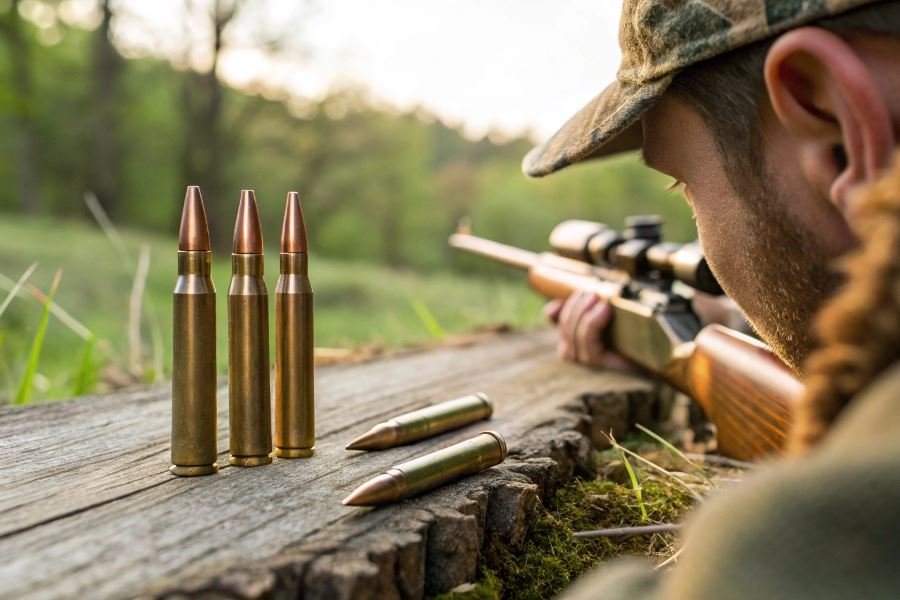
Ever wondered why some air gun enthusiasts hit their target with remarkable precision while others struggle? The secret often lies not in the shooting technique, but in how the weapon was loaded in the first place.
Pneumatic weapons have transformed from simple BB guns into sophisticated air-powered systems that deliver impressive accuracy and power. Whether you’re handling a multi-pump pneumatic rifle, a pre-charged pneumatic (PCP) pistol, or a CO2-powered airgun, proper loading technique is the foundation of safe and effective shooting.
Know your pneumatic weapon types
Different pneumatic weapons demand different loading approaches. Multi-pump pneumatics require manual pumping to compress air, while PCPs use external sources to fill their air reservoirs. CO2-powered airguns utilize disposable cartridges that release pressurized carbon dioxide.
Pro tip: Always consult your specific model’s manual before loading. Manufacturers design loading mechanisms with subtle differences that can significantly impact performance.
Safety first: The non-negotiable checklist
Before loading any pneumatic weapon:
- Always point the muzzle in a safe direction – treat every airgun as if it’s loaded
- Engage the safety mechanism until you’re ready to fire
- Wear appropriate eye protection – even during loading
- Ensure your loading area is clear of bystanders
The loading technique connection
Proper loading isn’t just about getting projectiles into the chamber—it’s about consistency and precision. Inconsistent loading leads to inconsistent shooting. When pellets are seated at varying depths or BBs are loaded with different pressures, your accuracy suffers dramatically.
Remember: The difference between a casual shooter and a marksman often begins at the loading stage, long before the trigger is ever pulled.
Mastering the Art of Pneumatic Weapon Loading
Weapon preparation is everything
Before you even think about loading your pneumatic air rifle or pistol, proper preparation is non-negotiable. Start by ensuring your weapon is completely unloaded and the safety is engaged. Place the weapon on a stable surface with the barrel pointing in a safe direction—never at people, pets, or anything you don’t intend to shoot.
Learning how to properly load pneumatic weapons requires attention to detail and respect for safety protocols. The loading process begins with a thorough inspection of your air gun’s components, including the barrel, breach, and pressure gauge. Use a cleaning rod with a patch to verify the barrel is clear of obstructions—a blocked barrel can cause dangerous pressure buildups when fired.
Always check your owner’s manual before loading. Different models from manufacturers like Crosman or Benjamin have specific loading procedures that must be followed precisely.
Selecting the perfect ammunition
Choosing the right pellets or BBs isn’t just about grabbing whatever’s available—it’s a science that affects accuracy, power, and weapon longevity.
| Ammunition Type | Best For | Typical Weight | Ideal Uses |
|---|---|---|---|
| Wadcutter Pellets | Target shooting | 7-8.5 grains | Paper targets, precision work |
| Domed Pellets | Hunting, distance | 8-10.5 grains | Small game, longer ranges |
| Pointed Pellets | Penetration | 7-9 grains | Pest control |
| Steel BBs | Plinking | 5.1 grains | Recreational shooting |
When handling pellets, avoid touching the skirt (hollow end) as oils from your fingers can affect flight characteristics. Store ammunition in its original container to prevent deformation—misshapen pellets are the enemy of accuracy.
The weight and design of your chosen ammunition directly impacts trajectory and energy transfer. For target shooting, lighter wadcutters create clean holes in paper. For hunting applications, heavier domed pellets retain energy downrange.
Mastering the charging process
The heart of any pneumatic weapon is its air reservoir, and charging it correctly is critical for consistent performance and safety.
For multi-pump pneumatics:
- Place the gun on a stable surface
- Grip the forearm firmly
- Pump with smooth, complete strokes
- Follow manufacturer recommendations for pump count (typically 3-10 pumps)
For pre-charged pneumatics (PCPs):
- Check the current pressure reading
- Connect the fill probe or adapter securely
- Fill slowly to avoid heat buildup
- Never exceed the manufacturer’s maximum fill pressure
Pro tip: When using a hand pump for PCPs, take short breaks during filling to allow the pump to cool. Heat is the natural enemy of efficient compression.
The relationship between air pressure and velocity isn’t always linear. Most pneumatics have an optimal pressure range where they perform best. For example, a Benjamin Marauder might shoot most consistently between 2,700-2,900 PSI rather than at its maximum 3,000 PSI fill.
After charging, always allow the system to reach thermal equilibrium before loading. This means giving your gun a few minutes after filling for temperatures to stabilize, especially if you’ve used a hand pump that generates heat.
Remember that ambient temperature affects pressure—a gun filled in your air-conditioned home will show higher pressure readings when taken outside on a hot summer day. This pressure variation can significantly impact point of impact, especially for precision shooting beyond 25 yards.
Troubleshooting and Mastering Pneumatic Weapon Loading
When your pneumatic rifle or pistol isn’t performing at its peak, the culprit often lies in how you’re loading it. Let’s dive into the common pitfalls that plague even seasoned shooters and explore how to transform your loading technique from amateur to expert.
When things go wrong
Nothing disrupts a shooting session faster than loading issues. The most common problems include:
Pellet deformation – Mishandled pellets can develop microscopic deformities that wreak havoc on accuracy. Always handle pellets by their skirts, never the heads.
Inconsistent pressure – Many shooters pump their weapons with varying force, creating unpredictable velocity. Count your pumps and maintain consistent rhythm for reliable performance.
The difference between a good shot and a great shot often comes down to loading discipline that most shooters overlook.
Incorrect pellet seating – When pellets aren’t properly seated, you’ll experience erratic groupings. Use a proper seating tool rather than your finger to ensure consistent depth.
Maintenance that transforms loading
Your loading efficiency directly correlates with how well you maintain your pneumatic weapon. Implement these practices:
Regular seal conditioning – Apply a drop of silicone oil to the pump head every 500 shots to maintain optimal compression and make loading smoother.
Barrel cleaning schedule – A clean barrel allows pellets to seat more consistently. Clean after every 250 shots with a proper bore brush and solvent.
| Maintenance Task | Frequency | Impact on Loading |
|---|---|---|
| Seal lubrication | Every 500 shots | Prevents pump resistance |
| Barrel cleaning | Every 250 shots | Ensures consistent pellet seating |
| O-ring inspection | Monthly | Prevents air leaks during loading |
| Trigger mechanism cleaning | Quarterly | Improves loading-to-firing transition |
Transfer port inspection – Often overlooked, a partially blocked transfer port can make loading feel normal but dramatically reduce power. Check it during your quarterly maintenance.
Resources to elevate your technique
The journey to mastering pneumatic weapon loading never truly ends. These resources will help you continue developing:
Online communities – Forums like Airgun Nation offer troubleshooting advice from thousands of experienced shooters facing the same loading challenges.
Manufacturer workshops – Companies like Crosman and Benjamin offer maintenance workshops that focus heavily on proper loading techniques.
Chronograph testing – Investing in a ProChrono Digital Chronograph will provide immediate feedback on how your loading technique affects velocity consistency.
Advanced loading tools – Specialized pellet seaters and loading aids from Air Venturi can dramatically improve your loading precision.
The difference between average and exceptional performance often comes down to loading technique. By troubleshooting common issues, implementing rigorous maintenance practices, and continuously educating yourself, you’ll develop a loading routine that delivers consistent, accurate results. Remember that every aspect of pneumatic weapon performance begins with how you load it—master this fundamental skill, and everything else follows.